





TLDRs;
- Li Auto unveils Livis AI glasses, marking its expansion from EVs to wearable technology.
- Halo OS open-source strategy may attract developers to create apps for Li Auto wearables.
- Livis glasses details remain scarce, including AR capability, battery life, and pricing.
- The integration of wearables and vehicles could enhance in-car experiences and AI workflows.
Chinese electric vehicle maker Li Auto surged on Thursday as the company stepped into the wearable technology market with the debut of its Livis AI glasses. Designed for all-day use, the new device targets both existing Li Auto owners and the wider tech-savvy consumer base, signaling a bold expansion beyond the automaker’s core EV lineup.
While the move signals Li Auto’s ambition to expand beyond automobiles, the company has not yet provided full technical details, leaving analysts and consumers eager for more information.
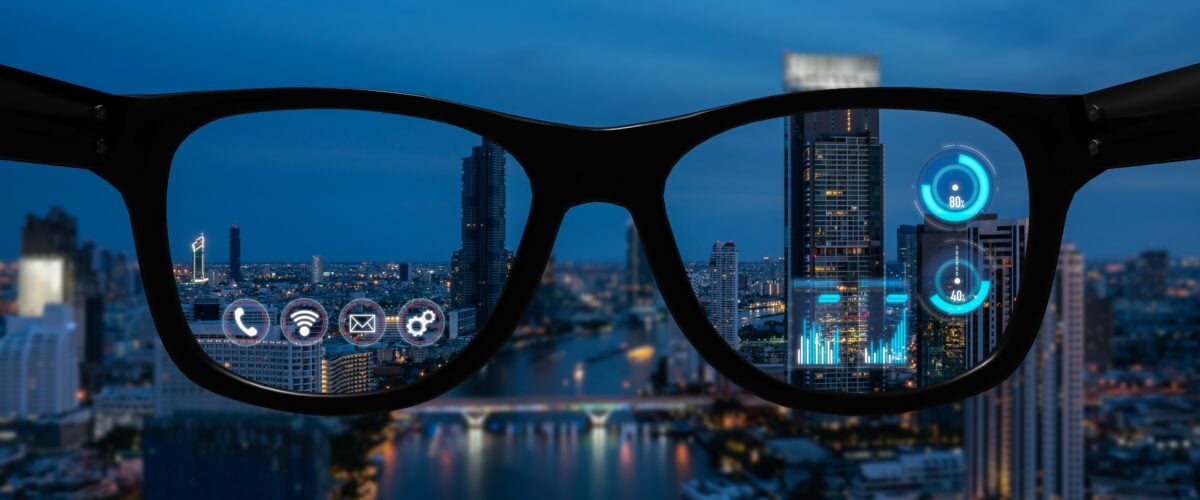
The Livis glasses could represent a new chapter for Li Auto, potentially competing with devices like Meta’s Ray-Ban smart glasses or other augmented reality headsets. However, whether the glasses include a true AR display or function primarily as a voice-driven AI assistant remains unclear.
Livis Features and Pricing Remain Unknown
At launch, Li Auto has not disclosed specifics regarding the Livis glasses’ display technology, chipset, battery life, or sensor array. Industry watchers are particularly interested in understanding whether the glasses can operate independently or require a constant connection to a Li Auto vehicle.
Chinese NEV maker Li Auto released its first AI glasses yesterday. Starting at CNY1,999 (USD283), or CNY1,699 (USD240) after national subsidies, the Livis feature a 36 g ultra-lightweight frame, 18.8 hours of battery life, an AI assistant, and the Livis OS, the firm's first… pic.twitter.com/M6I4KHCrfI
— Yicai 第一财经 (@yicaichina) December 4, 2025
The lack of pricing information also adds uncertainty to the product’s positioning in the market. Despite these unknowns, Li Auto highlights that its Halo operating system, already known for enhancing vehicle safety features such as precision body posture control and reduced emergency braking distance, could play a key role in the glasses’ functionality.

Developers Eye Halo OS Integration
One of the most significant aspects of this launch is Li Auto’s plan to open-source its Halo OS by the end of April. The operating system includes modules for communication middleware and virtualization, enabling multiple software systems to run on the same hardware platform.
This move could attract third-party developers and AI API vendors to create applications for the Livis glasses. Software Development Kits (SDKs) or developer portals may soon allow programmers to build apps that leverage both wearable and automotive capabilities.
Halo OS is compatible with Nvidia and Horizon Robotics chip architectures, further broadening the scope for developer innovation.
Potential for Vehicle-to-Glasses Connectivity
With Halo OS’s cross-system architecture, which has already demonstrated doubled response speed, Livis AI glasses may seamlessly interact with Li Auto vehicles. This opens possibilities for enhanced in-car experiences, such as real-time navigation prompts, safety alerts, and AI-powered voice interactions.
User Experience (UX) design agencies could also benefit by crafting applications that bridge the wearable and automotive worlds, creating a unified interface between drivers, passengers, and Li Auto’s digital ecosystem.
While many details remain unknown, Li Auto’s entry into the wearable space reflects a broader trend among EV manufacturers to diversify into smart devices, potentially shaping the next wave of connected consumer technology.
Stop guessing and start investing with confidence. KnockoutStocks gives you the AI insights, market intelligence, and stock research you need to spot opportunities, cut through the noise, and make smarter investment decisions — all in one powerful platform.
Sign up today and get 50% OFF full access to our premium stock picks.
Simply use coupon code SPECIAL50 at checkout to claim your exclusive discount.
Get 3 Free Stock Ebooks
Discover top-performing stocks in AI, Crypto, and Technology with expert analysis.
- Top 10 AI Stocks - Leading AI companies
- Top 10 Crypto Stocks - Blockchain leaders
- Top 10 Tech Stocks - Tech giants



