





TLDR
- The US government faces a 75% chance of partial shutdown starting January 31, with $13.3 million wagered on prediction markets
- Democrats oppose funding for Department of Homeland Security after the killing of Alex Pretti by federal agents in Minneapolis
- Only six of twelve spending bills remain unpassed, making this smaller in scope than last October’s 43-day full shutdown
- Bitcoin currently trades at $89,177, down 29% from its October high of $126,000, with spot ETFs seeing $1.33 billion in weekly outflows
- Historical data shows 60% of shutdown crises end in last-minute deals, with both parties facing economic pressure to compromise
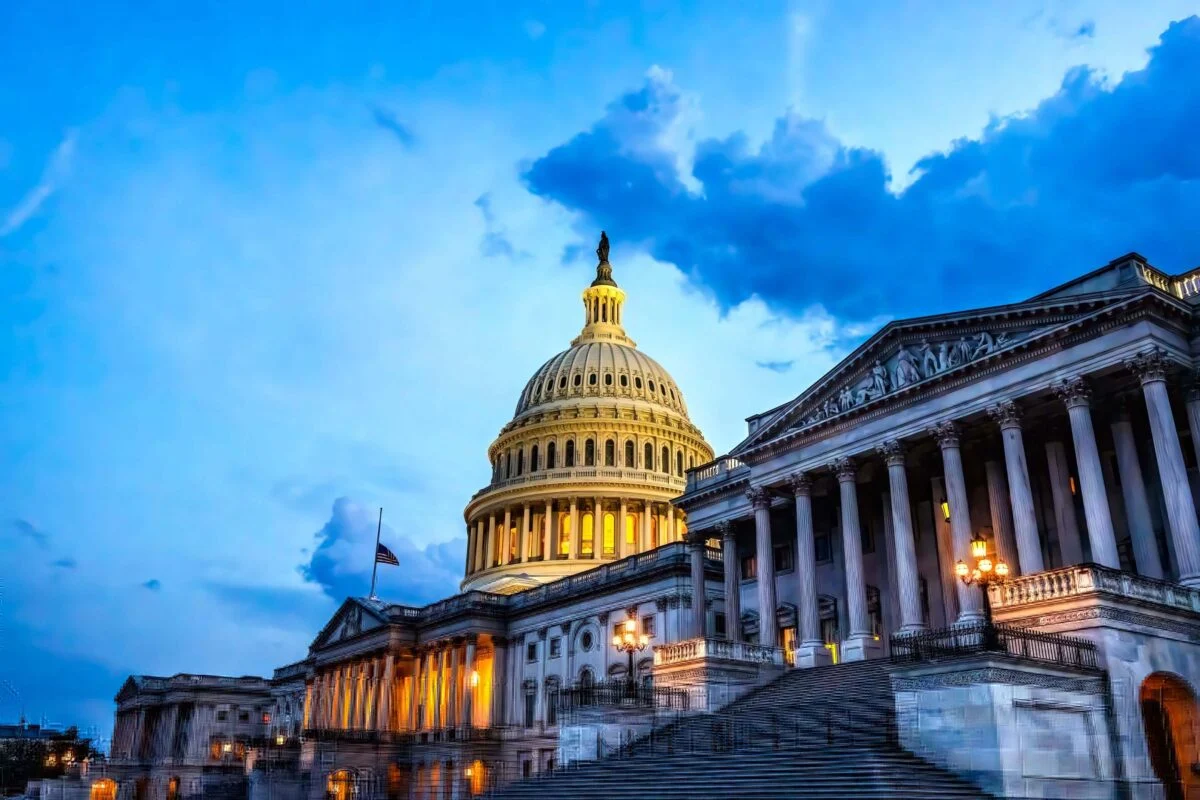
The United States government is heading toward a partial shutdown at 12:01 a.m. ET on Saturday. The deadline arrives as Senate Democrats block funding over concerns about Department of Homeland Security operations.
Prediction market platform Polymarket shows a 87% probability of a shutdown on January 31. Total betting volume has reached $13.3 million as of Wednesday morning Asian trading hours.
🚨 ODDS THE U.S. GOVERNMENT SHUTS DOWN THIS WEEK HITS ALL TIME HIGH OF 75%
PREPARE FOR VOLATILITY 👀 pic.twitter.com/20ziwjFBry
— BlockNews (@blocknewsdotcom) January 26, 2026
The dispute centers on DHS funding following the death of Alex Pretti. The 37-year-old intensive care nurse was killed by federal agents in Minneapolis. Senate Minority Leader Chuck Schumer stated he will vote no on any legislation funding ICE until the agency is overhauled.
The House of Representatives passed a spending measure worth more than $1.2 trillion last week. The bill covers DHS and eight other departments including Defense, Treasury, and State. Democrats control enough votes to block the bill through filibuster rules requiring 60 Senate votes.
Different Scale Than Last Year’s Shutdown
This potential shutdown differs from the October 2025 crisis. Last year’s shutdown lasted 43 days and blocked all twelve appropriations bills. Six spending bills have already passed this time.
The Committee for a Responsible Federal Budget reports that Agriculture, Veterans Affairs, Commerce, and Energy departments have full fiscal year funding. DHS holds approximately $178 billion from the “One Big Beautiful Bill Act” passed in 2025. This reserve funding allows the agency to maintain most operations.

Last October’s full shutdown drained roughly $700 billion in market liquidity. The Treasury General Account swelled to $1 trillion during that period. BitMEX analysts described the effect as “starving risk assets of capital.”
The smaller scope this time means less liquidity drain. Half of appropriations bills are already law. DHS reserve funding reduces the Treasury General Account buildup compared to last year.
Bitcoin Price Holds Despite Uncertainty
Bitcoin trades at $89,177 at press time, up 0.9% over 24 hours. The price sits 29% below its October all-time high of $126,000.
Bitcoin spot ETFs recorded $1.33 billion in net outflows for the week ending January 23. Analysts point to multiple factors including Federal Reserve decisions and Big Tech earnings reports.
Market analyst SGX notes that between 2013 and 2023, only three of five shutdown crises actually occurred. This represents a 60% rate of last-minute deals. SGX outlined several possible resolution paths including separating DHS funding or removing the harshest border provisions.
Senate Majority Leader John Thune said Tuesday that Pretti’s death was a tragedy warranting full investigation. He reported that productive talks are ongoing to break the Democratic logjam.
House Recess Complicates Timeline
The House of Representatives is on prescheduled recess this week. Any Senate changes to the bill would require House reapproval. The House has not announced plans to return before Friday’s deadline.
If no agreement passes, affected agencies will enter shutdown posture. Nonessential employees face furlough while essential workers continue without pay. Social Security payments and Medicare services typically continue during shutdowns.
A one-week shutdown costs the economy $4 to $6 billion according to SGX. Markets typically drop 2% to 3% during shutdown periods. Neither party wants the political liability of these economic impacts.
Agencies typically release contingency plans before shutdowns. The departments at risk have not publicly released their plans as of Wednesday.
Stop guessing and start investing with confidence. KnockoutStocks gives you the AI insights, market intelligence, and stock research you need to spot opportunities, cut through the noise, and make smarter investment decisions — all in one powerful platform.
Sign up today and get 50% OFF full access to our premium stock picks.
Simply use coupon code SPECIAL50 at checkout to claim your exclusive discount.
Get 3 Free Stock Ebooks
Discover top-performing stocks in AI, Crypto, and Technology with expert analysis.
- Top 10 AI Stocks - Leading AI companies
- Top 10 Crypto Stocks - Blockchain leaders
- Top 10 Tech Stocks - Tech giants



