





TLDR
- Waymo raised $16 billion in new funding, tripling its valuation to $126 billion in less than two years from $45 billion in 2024
- The self-driving car company tripled its annual rides to 15 million in 2025, now providing 400,000 weekly trips across six major U.S. metropolitan areas
- Waymo is the only operator in the U.S. offering paid robotaxi services with no safety drivers or in-vehicle attendants
- The funding round was led by Dragoneer Investment Group, DST Global, and Sequoia Capital with participation from Mubadala Capital, Andreessen Horowitz and T. Rowe Price
- The company plans to expand to 20 additional cities through 2026, including London and Tokyo, while facing new competition from Tesla and Amazon’s Zoox
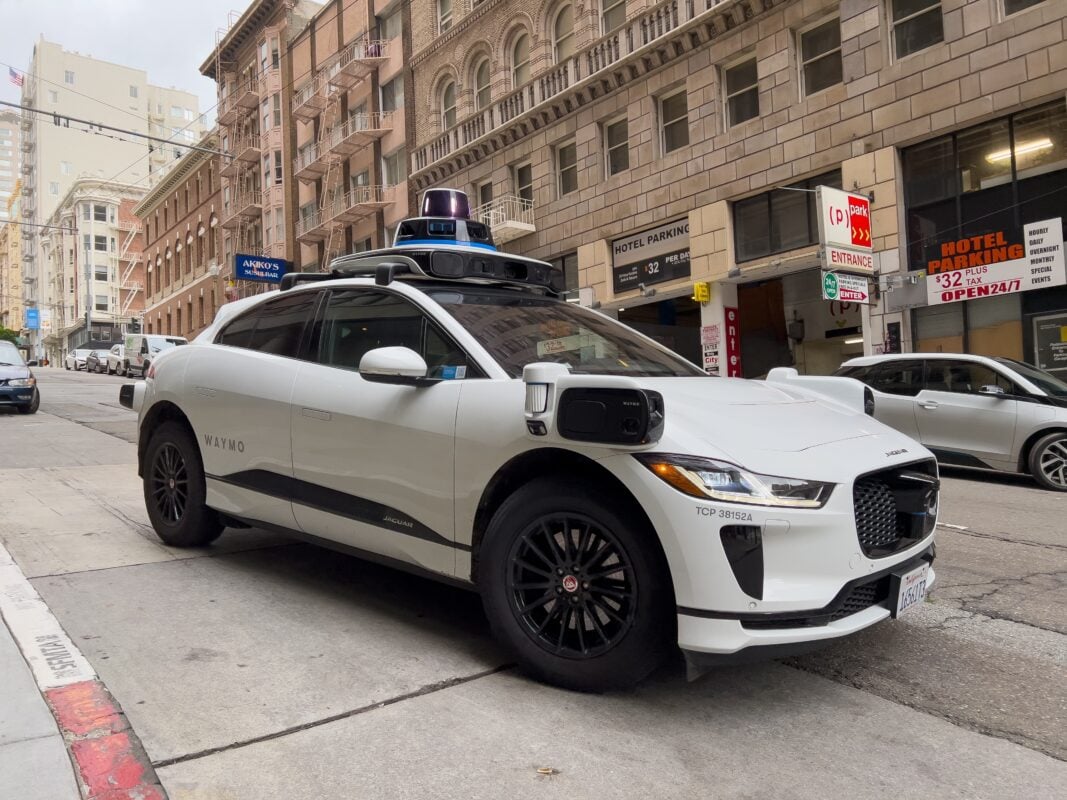
Waymo has completed a $16 billion funding round that values the Alphabet unit at $126 billion. The financing represents a nearly threefold increase from its $45 billion valuation in 2024.
The age of autonomous mobility at scale is here. Waymo has raised $16B to bring the world’s most trusted driver to more cities.
✅ $126B valuation
✅ 20M+ lifetime rides
✅ 90% reduction in serious injury crashesRead more from our co-CEOs: https://t.co/Fc5I33WpYB pic.twitter.com/zF79Sc6kzm
— Waymo (@Waymo) February 2, 2026
The investment was led by Dragoneer Investment Group, DST Global, and Sequoia Capital. Other participants included Mubadala Capital, Andreessen Horowitz, and T. Rowe Price.
Waymo carved out of Google’s self-driving car project in 2016. The company now operates as the only U.S. provider of paid robotaxi services without safety drivers or in-vehicle attendants.
The company tripled its annual ride volume to 15 million in 2025. Waymo now provides 400,000 weekly trips across six major U.S. metropolitan areas.
The funding will support expansion plans across 20 additional cities through 2026. Target markets include major hubs like London and Tokyo.
Growth and Safety Performance
Waymo has driven 127 million autonomous miles to date. Company data shows a 90% reduction in serious injury crashes compared to human-operated vehicles.

The service operates in six U.S. metropolitan areas through its own app and partnerships with Uber. The company stated the capital proves that “the age of autonomous mobility at scale has arrived.”
Konstantine Buhler, Partner at Sequoia, noted the company moved beyond research milestones to operational excellence. He highlighted the tripling of weekly paid rides in one year while maintaining customer satisfaction.
Competition and Regulatory Challenges
Tesla has made robotaxis a core priority, pivoting focus away from electric vehicles. Amazon’s self-driving unit Zoox has offered free robotaxi rides on the Las Vegas Strip and in parts of San Francisco.
Waymo maintains a lead over competitors still in trial stages. The company has integrated its service into daily urban infrastructure while rivals work to catch up.
The National Highway Traffic Safety Administration opened an investigation last week after a Waymo vehicle struck a child near a California elementary school. Safety concerns continue to draw regulatory attention across the autonomous vehicle industry.
The company’s data advantage serves as a competitive moat that investors believe is difficult to replicate. Waymo has shifted from a research-heavy enterprise into a commercial transportation entity.
Stop guessing and start investing with confidence. KnockoutStocks gives you the AI insights, market intelligence, and stock research you need to spot opportunities, cut through the noise, and make smarter investment decisions — all in one powerful platform.
Sign up today and get 50% OFF full access to our premium stock picks.
Simply use coupon code SPECIAL50 at checkout to claim your exclusive discount.
Get 3 Free Stock Ebooks
Discover top-performing stocks in AI, Crypto, and Technology with expert analysis.
- Top 10 AI Stocks - Leading AI companies
- Top 10 Crypto Stocks - Blockchain leaders
- Top 10 Tech Stocks - Tech giants



