





TLDR
- Anthropic aired a Super Bowl commercial criticizing OpenAI’s plan to add ads to ChatGPT
- The 30-second spot cost around $8 million and showed a chatbot interrupting advice with product promotions
- OpenAI CEO Sam Altman called the ad “deceptive” and said the company respects its users
- Brands are expected to spend $2.08 billion on AI search ads in 2026, rising to $25.93 billion by 2029
- Both companies are unprofitable and competing for market share ahead of potential public offerings this year
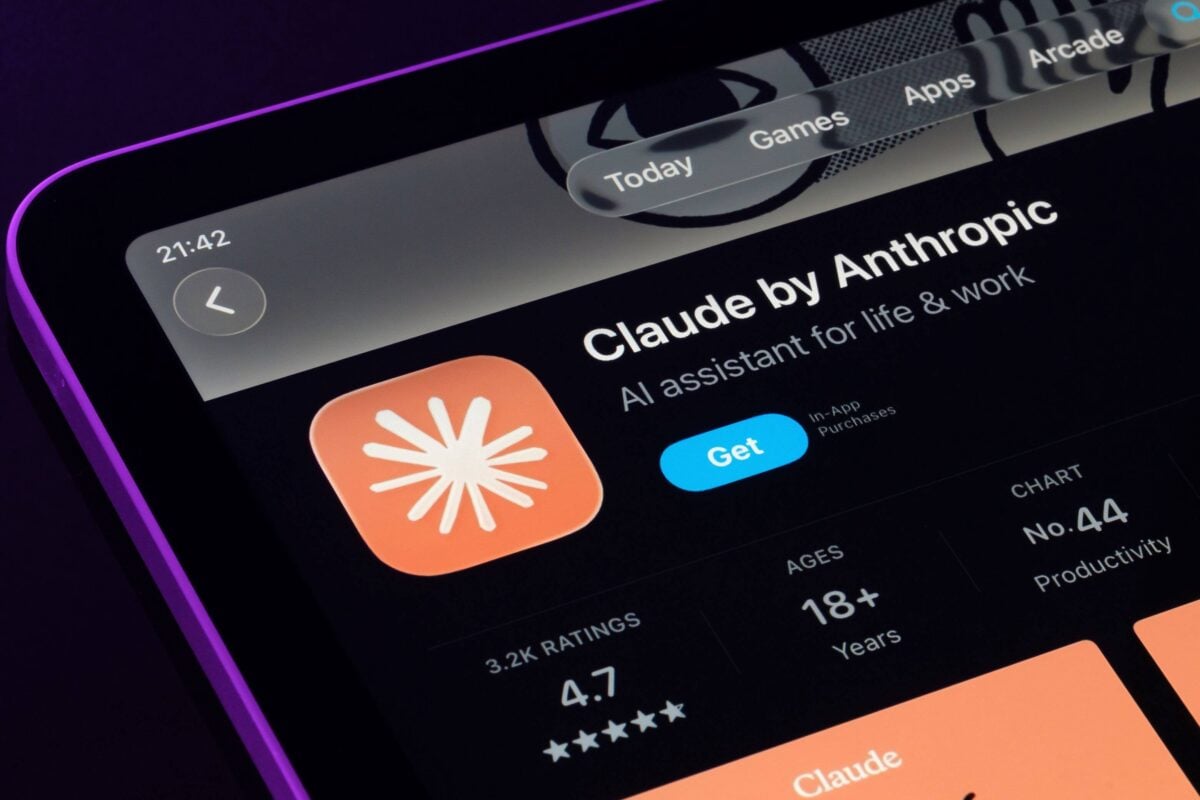
Anthropic purchased Super Bowl airtime to criticize rival OpenAI’s decision to test advertisements inside ChatGPT. The commercial represents one of the most public disputes between major AI companies.
For those waiting with excitement for the Super Bowl commercials, Anthropic just dropped four ads (a 30‑sec version will air during the Super Bowl), directly firing shots at OpenAI. pic.twitter.com/gQjzUfDX2a
— J. M. Sultan (@jmsltnv) February 4, 2026
The 30-second ad shows a person asking for fitness advice from what appears to be an AI chatbot. The advice is interrupted by a promotion for shoe inserts. The commercial ends with text stating “Ads are coming to AI. But not to Claude.”
Super Bowl commercials cost an average of $8 million for 30 seconds of airtime. Some spots sold for more than $10 million. Around 120 million viewers are expected to watch the game between the Seattle Seahawks and New England Patriots.
OpenAI recently confirmed plans to test ads in the free version of ChatGPT. The company said ads will be clearly labeled and users can opt out of targeting. OpenAI also stated that sensitive topics will not show ads.
Sam Altman responded to the Anthropic commercial on social media. He called the ad “deceptive” and said OpenAI understands users would stop using the product if ads were intrusive. Altman told a podcast that OpenAI respects its users.
Andrew Stirk, Anthropic’s head of brand marketing, said the company wants to offer a different choice based on values. Daniela Amodei, Anthropic’s president and co-founder, said placing ads in AI chats would be exploitative. She noted users often share personal and medical information with chatbots.

The Business Stakes
Anthropic published a blog post explaining its position on advertising. The company said it wants to stay aligned with users rather than advertisers. Anthropic warned that ads tend to grow over time as revenue goals influence product design.
The company left open the possibility of other ad models outside the chat interface. This detail matters for future revenue planning. For now, Anthropic is betting that user trust will drive growth.
The AI advertising market is expanding rapidly. Brands are projected to spend $2.08 billion on AI search ads in the U.S. this year. That figure could reach $25.93 billion by 2029, according to eMarketer.
Last year, AI companies spent $333.6 million on U.S. TV ads, up 43% from the previous year. Digital ad spending more than tripled to $426 million. The spending shows how companies are investing in brand awareness.
Competition Intensifies
Neither Anthropic nor OpenAI is currently profitable. Both companies are competing for consumer and business customers. They are also racing toward potential public offerings that could happen this year.
OpenAI is using the Super Bowl to promote Codex, its software coding product. This is Anthropic’s first Super Bowl campaign. The public dispute highlights the competition for market share in the AI industry.
Ad industry experts said the Super Bowl offers a chance to reach the largest television audience of the year. Only 17% of U.S. adults think AI will have a positive impact over the next 20 years, according to ad-tracking firm Guideline.
OpenAI’s previous commercials have focused on positioning ChatGPT as a tool for everyday life. One recent ad featured runners asking ChatGPT how to stay motivated. Consumer testing showed mixed reactions to that commercial.
The Anthropic ad also received negative reactions in consumer testing conducted by ad-measurement firms. Both companies are still working to find effective messaging strategies for general audiences unfamiliar with AI technology.
Stop guessing and start investing with confidence. KnockoutStocks gives you the AI insights, market intelligence, and stock research you need to spot opportunities, cut through the noise, and make smarter investment decisions — all in one powerful platform.
Sign up today and get 50% OFF full access to our premium stock picks.
Simply use coupon code SPECIAL50 at checkout to claim your exclusive discount.
Get 3 Free Stock Ebooks
Discover top-performing stocks in AI, Crypto, and Technology with expert analysis.
- Top 10 AI Stocks - Leading AI companies
- Top 10 Crypto Stocks - Blockchain leaders
- Top 10 Tech Stocks - Tech giants



