





TLDR
- Samsung launched the Galaxy S26, S26+, and S26 Ultra on Wednesday, with prices rising $100 on two of the three models.
- The S26 and S26+ now start at $899 and $1,099 respectively; the S26 Ultra holds at $1,299.
- A global memory chip shortage, driven by AI infrastructure expansion, is pushing smartphone prices up industry-wide.
- The S26 series leans heavily on AI features powered by Google Gemini and Perplexity, with agentic tools like automated DoorDash orders.
- The memory crunch is expected to last until 2027 or early 2028, with memory prices in smartphone segments doubling over the past two quarters.
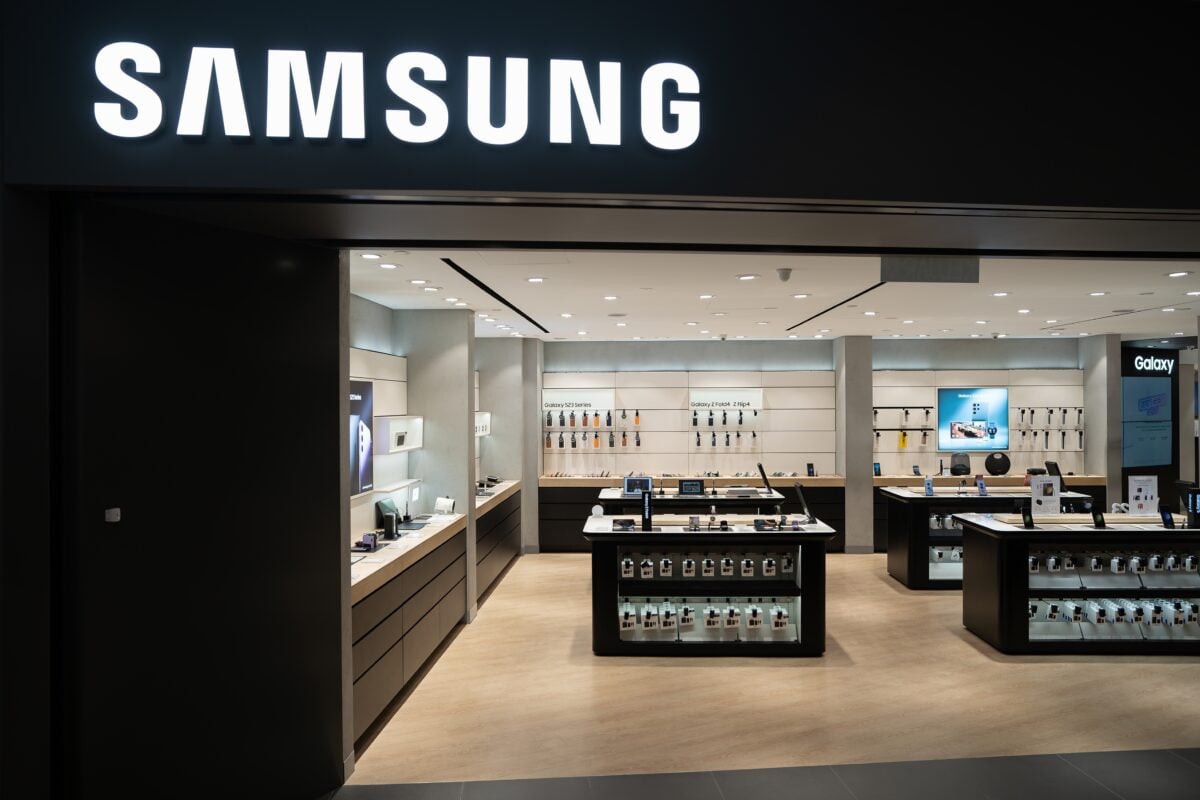
Samsung Electronics launched its Galaxy S26 smartphone lineup on Wednesday, and two of the three models now cost more than their predecessors. The price increases come as the tech industry wrestles with a memory chip shortage tied to the global AI infrastructure boom.
Samsung Galaxy S26 Ultra official promotion posters are out :
Confirmed features:
• Privacy display with Rounded edges
• 200MP HP2 f/1.4 + 50MP UW + 50MP 5x f/2.9 + 10MP 1/3.94 3x
• 12MP front AF
• 5000mAh battery with 31 hours of video playback
• 75% battery life in… pic.twitter.com/uWKZmWdefO— Sanju Choudhary (@saaaanjjjuuu) February 21, 2026
The Galaxy S26 starts at $899, up $100 from last year’s S25. The S26+ now opens at $1,099, also a $100 jump. The S26 Ultra holds steady at $1,299.
Samsung dropped the old $799 entry point on the base S26, eliminating the 128GB storage option entirely. All three models now ship with at least 256GB of storage and 12GB of RAM.
Samsung Galaxy S26 Ultra – The Privacy Display in action.#GalaxyUnpacked pic.twitter.com/JhMJIEZf2W
— Mukul Sharma (@stufflistings) February 25, 2026
The phones are available for preorder as of February 25.
AI Front and Center
The S26 series is Samsung’s third generation of what it calls “AI phones,” following the S24 launch two years ago. All three models run on Qualcomm’s Snapdragon 8 Elite Gen 5 chip.

Samsung has built in a range of AI tools powered by Google Gemini and Perplexity. One feature, Now Nudge, reads your messages and calendar to suggest replies and flag scheduling conflicts. Another lets Gemini place a DoorDash order or book an Uber on your behalf.
The S26 Ultra adds a privacy display — described by Samsung as a world first — that controls how pixels disperse light, restricting side-angle visibility.
Ben Wood, chief analyst at CSS Insight, said the S26 takes “positive steps forward” in making AI features more accessible, but questioned whether consumers would see clear value at this stage.
Gartner analyst Tuong Nguyen noted that while AI features are increasingly expected, hardware remains the primary reason most people upgrade.
The Memory Crunch
The price increases don’t exist in a vacuum. Memory prices in smartphone segments have doubled over the past two quarters, according to CSS Insight research.
The shortage stems from AI data center expansion pulling supply away from consumer electronics. Counterpoint Research forecast in December that average smartphone selling prices would rise 6.9% in 2026 as a result.
Ben Wood said the shortage is “not a short-term issue” and expects it to persist well into 2027. Wood said chip constraints could last until 2027 or early 2028.
A Samsung spokesperson told CNBC the company expects to be “relatively well-positioned on the supply side through strategic partnerships.”
Paolo Pescatore, TMT analyst at PP Foresight, said the memory crunch is no longer a niche supply-chain conversation but a “strategic constraint on the AI roadmap.”
He put it plainly: “If memory costs stay elevated, Samsung faces a familiar squeeze: protect margins or protect volumes.”
Samsung president Wonjin Lee flagged the supply chain risks in a Bloomberg interview in January, warning that memory chip constraints could push prices higher across product lines.
The S26 Ultra features a 6.9-inch display and an additional 10x telephoto camera not found on the base models, with an option to upgrade to 16GB of RAM.
Stop guessing and start investing with confidence. KnockoutStocks gives you the AI insights, market intelligence, and stock research you need to spot opportunities, cut through the noise, and make smarter investment decisions — all in one powerful platform.
Sign up today and get 50% OFF full access to our premium stock picks.
Simply use coupon code SPECIAL50 at checkout to claim your exclusive discount.
Get 3 Free Stock Ebooks
Discover top-performing stocks in AI, Crypto, and Technology with expert analysis.
- Top 10 AI Stocks - Leading AI companies
- Top 10 Crypto Stocks - Blockchain leaders
- Top 10 Tech Stocks - Tech giants



