





TLDR
- SanDisk stock dropped around 5% on Wednesday
- Google unveiled TurboQuant, a compression algorithm that could reduce AI memory requirements
- SanDisk announced a $1 billion private placement to acquire ~3.9% of Nanya Technology
- The Nanya deal came at a 15% discount and includes a three-year lockup period
- SNDK had been up nearly 196% year-to-date before the decline
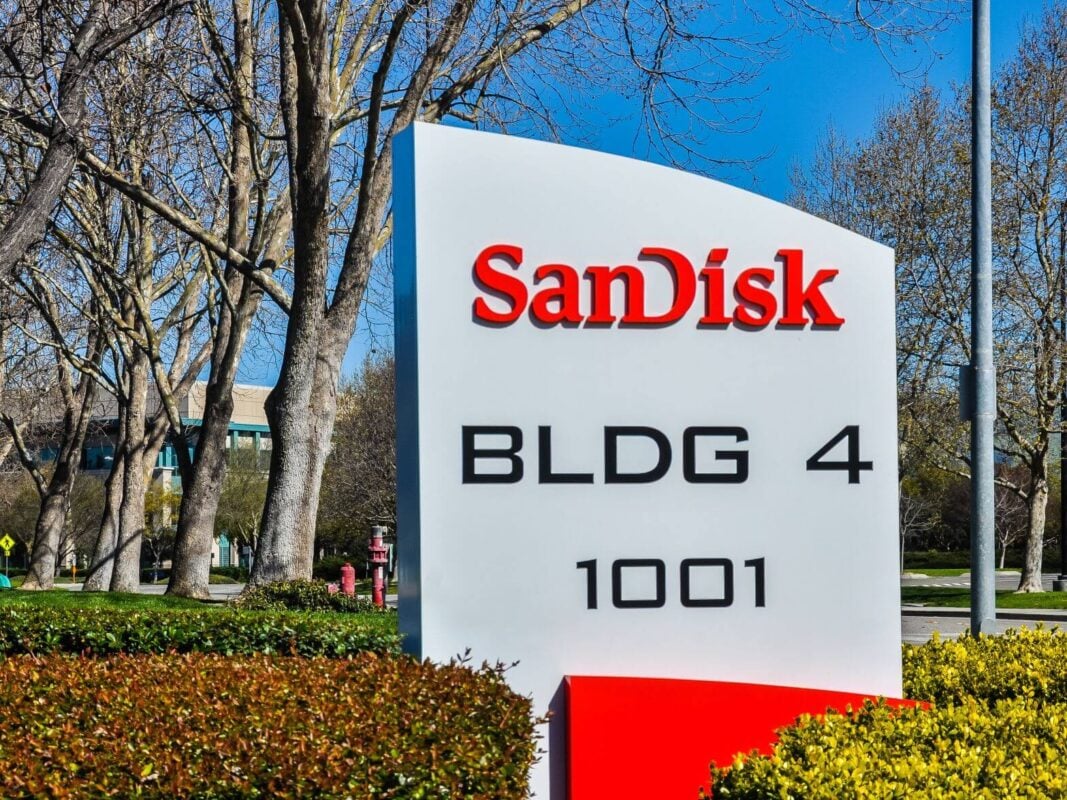
SanDisk took a double hit on Wednesday. Google’s new TurboQuant compression algorithm spooked memory investors, and a surprise $1 billion strategic investment in Nanya Technology added fuel to the selloff. The stock fell around 5% on the day.
TurboQuant is a compression algorithm designed to reduce memory requirements for AI systems. For a company whose entire recent rally has been built on AI-driven memory demand, that kind of news lands hard.
The second blow came from SanDisk itself. The company disclosed that its subsidiary agreed to buy approximately 139 million Nanya shares through a private placement for $1.0 billion in total — roughly 3.9% of Nanya’s outstanding stock.
The purchase price was at a steep 15% discount, which raised immediate questions about the terms of the deal. The investment also comes with a three-year lockup on those shares.
Alongside the equity investment, SanDisk and Nanya entered into a multi-year strategic supply arrangement. Under the deal, Nanya will supply DRAM products to support SanDisk’s long-term sourcing strategy.

The logic isn’t hard to follow — lock in a key supplier while taking a stake at a discount. But markets weren’t in a mood to reward the move.
Why the Market Pushed Back
With SNDK up over 1,200% in the past year, the bar for any capital deployment decision is high. Putting $1 billion into a minority stake in a supplier, rather than buybacks or organic investment, raised eyebrows.
The deal still requires Taiwan regulatory approval before it can close, adding another layer of uncertainty. Bears questioned whether this was capital being put to its best use given the stock’s extended run.
The timing didn’t help either. Investors had already been watching SNDK’s valuation closely after its rapid ascent. Any news that complicated the bull case was always going to get a sharp reaction.
Fundamentals Still Strong
Despite the selloff, SanDisk’s underlying numbers remain solid. Q3 FY2026 guidance calls for revenue of $4.4 billion to $4.8 billion, non-GAAP EPS of $12 to $14, and gross margins of 65% to 67%.
That’s a meaningful step up from Q2, and management clearly believes AI infrastructure demand will continue to build. The guidance alone would be headline news in most quarters.
Options activity in SNDK on Wednesday showed a modestly bullish lean, suggesting some traders see the dip as a buying opportunity once the Nanya noise settles.
The technical sentiment signal heading into the day was rated Strong Buy, and the stock’s average daily trading volume sits at over 18 million shares.
For now, the market is sitting with two competing reads on SanDisk: a company with strong momentum and a credible AI demand story, versus one that just deployed $1 billion in a deal that raised more questions than it answered.
SanDisk’s current market cap stands at approximately $103.7 billion.
Stop guessing and start investing with confidence. KnockoutStocks gives you the AI insights, market intelligence, and stock research you need to spot opportunities, cut through the noise, and make smarter investment decisions — all in one powerful platform.
Sign up today and get 50% OFF full access to our premium stock picks.
Simply use coupon code SPECIAL50 at checkout to claim your exclusive discount.
Get 3 Free Stock Ebooks
Discover top-performing stocks in AI, Crypto, and Technology with expert analysis.
- Top 10 AI Stocks - Leading AI companies
- Top 10 Crypto Stocks - Blockchain leaders
- Top 10 Tech Stocks - Tech giants



