





TLDR
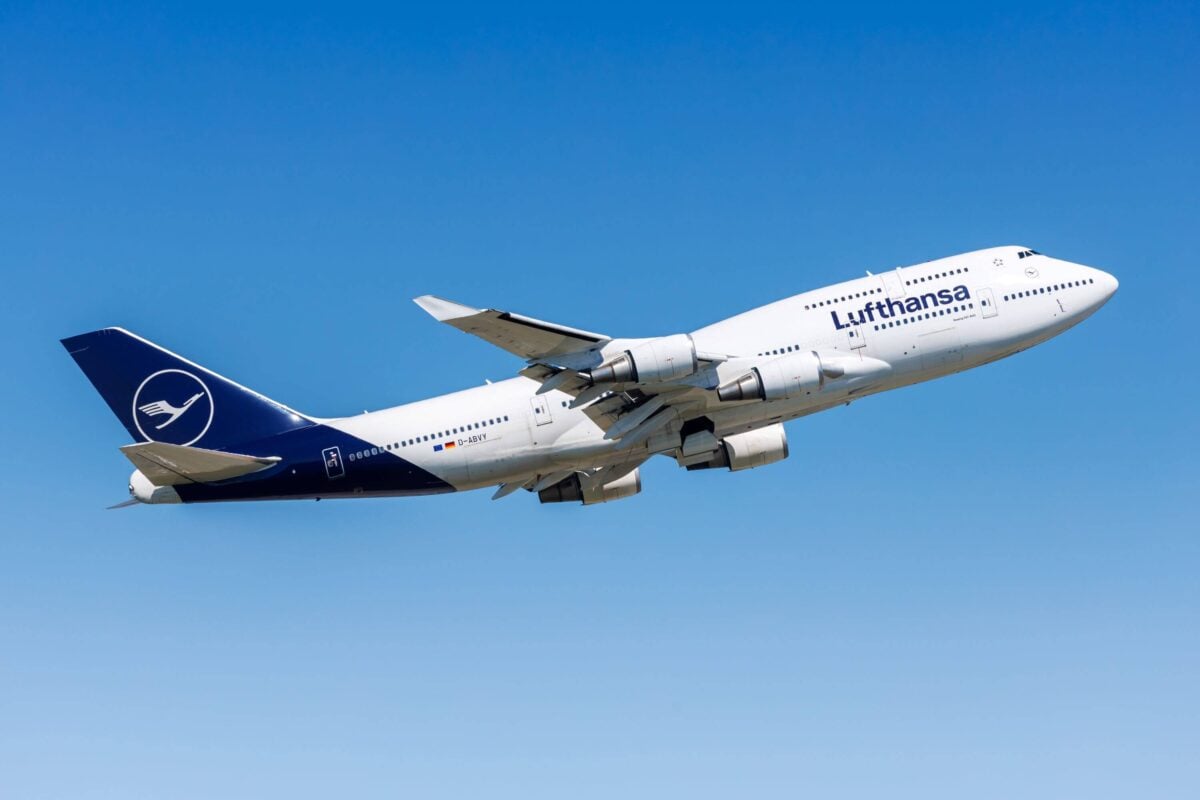
- Lufthansa may ground up to 40 aircraft (~5% of fleet) due to Middle East fuel supply disruption
- The Strait of Hormuz closure has cut global jet fuel supply, with Europe importing ~50% from the Persian Gulf
- Morgan Stanley downgraded DLAKY from “overweight” to “equal-weight,” slashing 2026 EBITDA estimate by 17%
- Higher fuel costs expected to hit Lufthansa with a €1.6bn fuel cost impact and ~€800m EBITDA reduction
- Load factors forecast to drop ~2% year-on-year from Q3 2026, with capacity growth cut from 4% to 2.5%
Lufthansa is getting hit from two sides this week — a Morgan Stanley downgrade and the threat of jet fuel running short. The German carrier has been one of the more exposed European airlines to the current turbulence in energy markets, and the numbers are starting to reflect that.
CEO Carsten Spohr has directed internal teams to draw up contingency plans at different levels of disruption. The most concrete action on the table: grounding up to 40 aircraft, around 5% of the fleet. Management appears to be prioritizing cost control rather than waiting to see demand deteriorate first.
The root of the problem is the effective closure of the Strait of Hormuz, a critical chokepoint for global jet fuel shipments. Refiners in Asia have already started cutting production in response, and Europe is particularly exposed — roughly half of EU and UK jet fuel comes from Persian Gulf imports.
The supply squeeze isn’t just about price. Potential scarcity adds a layer of uncertainty that’s hard to hedge around, especially for an airline that’s already at a disadvantage on fuel hedging relative to its peers.
Morgan Stanley Cuts Rating and Earnings Outlook
Morgan Stanley moved Lufthansa to “equal-weight” from “overweight” on Wednesday, citing weaker earnings expectations and less favorable fuel hedging than competitors like IAG and Air France-KLM.
The broker cut its 2026 EBITDA estimate for Lufthansa by 17% — a steeper reduction than the 6% cut for IAG or 10% for Air France-KLM. That gap is largely down to hedging. Morgan Stanley said Lufthansa’s fuel hedging “remains less attractive vs. peers.”

In dollar terms, the bank estimates a €1.6bn fuel cost impact for the year, contributing to an ~€800m reduction in FY26 EBITDA versus prior forecasts.
Capacity growth guidance was also trimmed, from 4% down to 2.5%, with load factors expected to fall around 2% year-on-year from Q3 2026.
Passenger Yields Only Partially Offset the Pain
On the revenue side, Morgan Stanley does expect Lufthansa to push through higher fares. Passenger yields are projected to rise +7% in Q2, +11% in Q3, and +11% in Q4 of 2026.
But those gains won’t be enough to fully absorb the fuel hit. Flag carriers generally have more pricing power than low-cost rivals, but Lufthansa still comes out worse than its European peers on the fuel cost equation.
Interestingly, Morgan Stanley flagged that Lufthansa’s year-to-date decline of around 9% is actually smaller than the ~16% drop seen at IAG and Air France-KLM, calling that gap “a disconnect we view as unjustified.”
The stock had rallied as much as 8.1% in early Frankfurt trading on Tuesday after the contingency plan news broke — having fallen around 16% year-to-date at that point. Despite the bounce, the downgrade and fuel outlook have kept pressure on the stock.
Stop guessing and start investing with confidence. KnockoutStocks gives you the AI insights, market intelligence, and stock research you need to spot opportunities, cut through the noise, and make smarter investment decisions — all in one powerful platform.
Sign up today and get 50% OFF full access to our premium stock picks.
Simply use coupon code SPECIAL50 at checkout to claim your exclusive discount.
Get 3 Free Stock Ebooks
Discover top-performing stocks in AI, Crypto, and Technology with expert analysis.
- Top 10 AI Stocks - Leading AI companies
- Top 10 Crypto Stocks - Blockchain leaders
- Top 10 Tech Stocks - Tech giants



