





TLDR
- US and Iran discuss 45 day ceasefire with mediators as deadline nears
- Officials say chances of agreement in 48 hours remain low
- Plan includes temporary truce followed by permanent deal talks
- Military activity continues during ongoing diplomatic efforts
- Markets react as oil routes and regional stability remain at risk
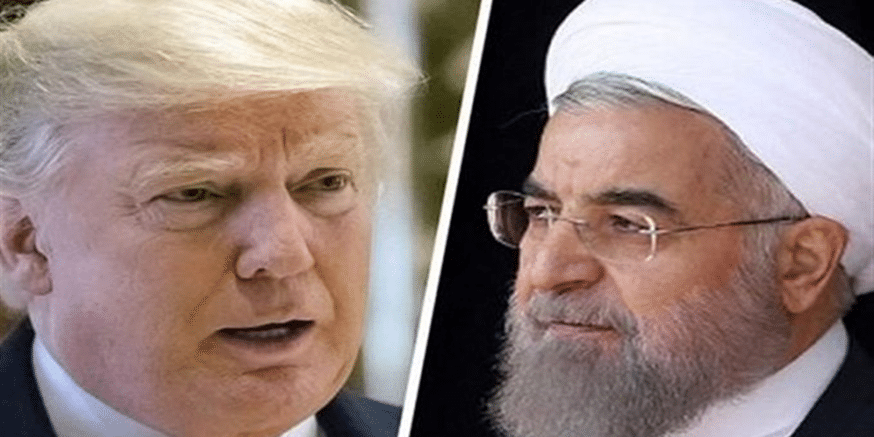
The United States and Iran are exploring a 45-day ceasefire as regional tensions remain high. Mediators are working to secure a temporary pause that could open talks for a permanent settlement. Officials say the next 48 hours are critical, though chances of agreement remain low as military activity and diplomatic pressure continue at the same time.
Diplomatic Push Gains Urgency Amid Ongoing Conflict
The United States and Iran are in talks over a proposed 45-day ceasefire. Regional mediators are leading the effort to reduce tensions. The proposal includes a temporary pause in hostilities followed by negotiations for a long-term agreement. Officials familiar with the discussions described the effort as a “last-ditch” attempt. The goal is to prevent further escalation and damage to infrastructure.
However, sources said the chances of reaching an agreement within 48 hours remain low. A US official said several proposals were presented to Iran in recent days. Iranian officials have not accepted any of them so far.
BREAKING: The US, Iran, and a group of regional mediators are discussing a potential 45-day ceasefire that could lead to a permanent end to the Iran War, per Axios.
Details include:
1. This is being described as a "last-ditch effort" to prevent "massive strikes on Iranian…
— The Kobeissi Letter (@KobeissiLetter) April 6, 2026
Talks continue as a deadline approaches, with both sides maintaining firm positions. Military activity has not stopped during the discussions. Reports indicate missile strikes and defensive actions are ongoing. This has added pressure on mediators to secure at least a temporary pause.
Two Phase Plan Centers on Temporary Pause and Future Talks
The proposed framework includes two phases designed to manage immediate risks. The first phase focuses on a 45-day ceasefire. During this time, both sides would halt major military operations. The second phase would involve negotiations for a permanent agreement. Key issues include regional security and strategic assets.
These topics remain sensitive and complex for both parties. Control of major energy routes is part of the broader discussion. The Strait of Hormuz remains a key concern for global energy supply. Any disruption in the area can affect oil flows and prices worldwide.

Sources indicate that sequencing remains a major issue. Iran is seeking guarantees that hostilities will not resume after the ceasefire. The United States is focused on immediate de-escalation steps.
Markets Respond as Uncertainty Continues Over Outcome
Financial markets have reacted quickly to developments in the talks. US stock futures recovered earlier losses following reports of possible progress. Analysts say this reflects expectations of reduced risk in the short term. Energy markets are also closely monitoring the situation. Oil prices remain sensitive to any changes in the Strait of Hormuz. Stability in the region is linked to steady supply and price control.
Despite market reactions, uncertainty remains high. Officials continue to stress that no agreement has been finalized. The lack of acceptance from Iran adds to concerns about the outcome. Deadlines have shifted multiple times in recent weeks. Each extension has coincided with renewed diplomatic efforts.
Mediators are continuing discussions as time pressure increases. The next 48 hours are seen as critical for any progress. Both sides face strategic decisions that could shape the direction of the conflict. The situation remains fluid as talks and military actions continue side by side.


