





TLDR
- Delta Air Lines (DAL) stock is down ~2% on April 7 after announcing higher checked bag fees
- First and second bag fees rise $10 each; third bag jumps $50
- New fees take effect Wednesday for domestic and short-haul international routes
- The hike is driven by soaring jet fuel costs linked to the Iran war disrupting oil supplies
- Analysts still rate DAL a Strong Buy with an average price target of $80.53
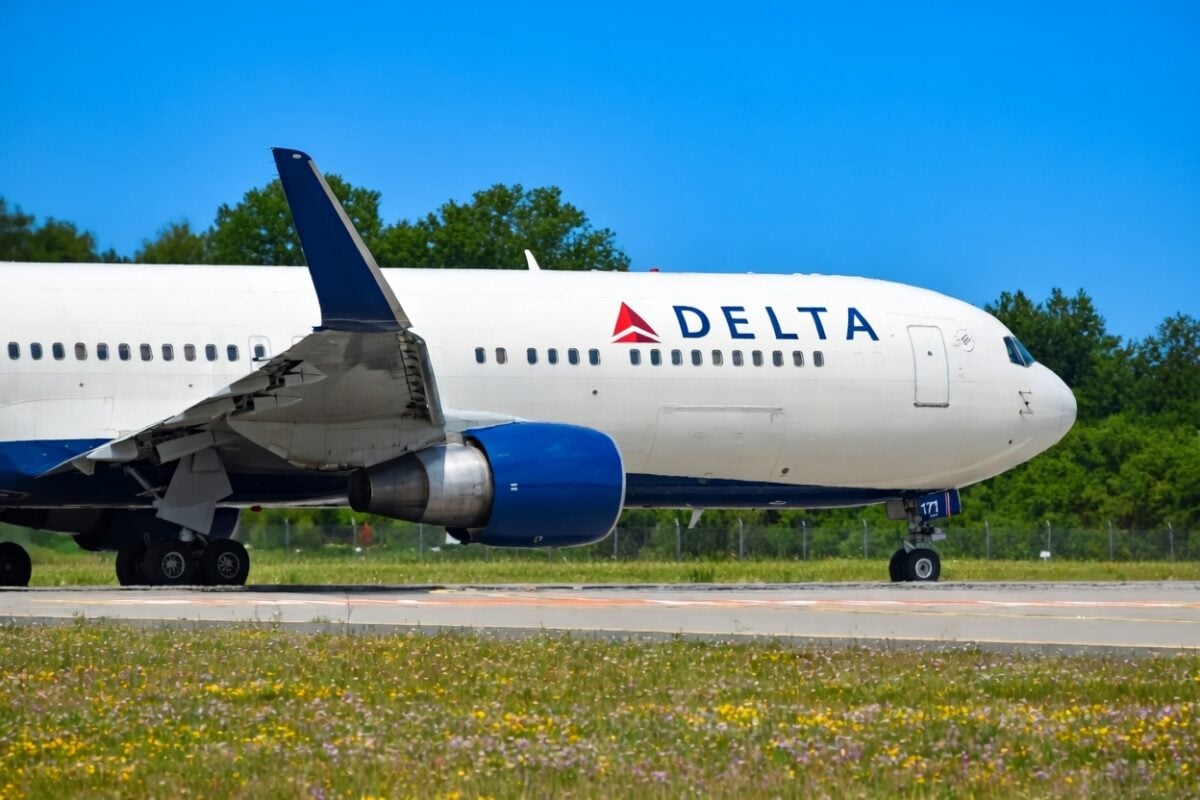
Delta Air Lines raised its checked bag fees on Tuesday, its first domestic baggage fee increase in two years. The move sent DAL stock down roughly 2% on the day.
The new fees apply to domestic and select short-haul international routes. First bags will now cost $45, second bags $55, and a third checked bag hits $200 — up $50 from before. Bookings made on or after April 8 fall under the new pricing.
Delta cited “evolving global conditions and industry dynamics” in a statement. That’s a polished way of saying jet fuel is getting expensive fast.
Crude oil has topped $110 per barrel as the Iran war spreads across the Middle East, tightening oil supplies and squeezing airline margins. Jet fuel is one of the biggest cost lines for any carrier, and the numbers are adding up quickly.
The war has disrupted crude oil shipments through the Strait of Hormuz, a critical corridor for global energy trade. Airlines are feeling that pressure directly at the pump.
Delta is not alone here. JetBlue raised its bag fees last month. United Airlines CEO Scott Kirby has warned that fares could rise as much as 20% due to war-related fuel shortages.
Margin Pressure Building Across the Industry
Airlines large and small are working to protect margins as operating costs climb. Raising bag fees is one of the faster levers carriers can pull without restructuring routes entirely.

Delta was clear that frequent-flyer benefits, premium fare perks, and co-branded credit card baggage allowances will not change. Long-haul international routes are also unaffected by the new pricing.
This is a targeted move aimed at the everyday traveler on domestic and short-haul bookings — the highest-volume segment of Delta’s network.
What Analysts Think of DAL Stock
Despite the stock dipping on the news, Wall Street remains broadly positive on Delta. Eighteen analysts currently cover the stock, with 17 issuing Buy ratings and one Hold.
The average price target sits at $80.53, implying roughly 23% upside from current levels. That suggests the analyst community sees today’s fee hike as a rational business response rather than a red flag.
Delta last raised domestic bag fees two years ago. The gap reflects how much the cost environment has shifted in a short time.
The fee changes go into effect Wednesday, April 8, for new bookings.
Stop guessing and start investing with confidence. KnockoutStocks gives you the AI insights, market intelligence, and stock research you need to spot opportunities, cut through the noise, and make smarter investment decisions — all in one powerful platform.
Sign up today and get 50% OFF full access to our premium stock picks.
Simply use coupon code SPECIAL50 at checkout to claim your exclusive discount.
Get 3 Free Stock Ebooks
Discover top-performing stocks in AI, Crypto, and Technology with expert analysis.
- Top 10 AI Stocks - Leading AI companies
- Top 10 Crypto Stocks - Blockchain leaders
- Top 10 Tech Stocks - Tech giants



