





TLDR
- The Trump administration has rejected Ford’s request for relief from aluminum import tariffs.
- Two fires at the Novelis plant in Oswego, NY, took the largest U.S. automotive aluminum supplier offline until at least June 2026.
- Ford said it already took a $2 billion hit from the fires and expects to spend $1 billion more on imported aluminum in 2026.
- The 50% tariff on imported aluminum is now baked into domestic prices too, meaning buyers pay it regardless of source.
- Automakers face potentially higher costs as new tariff rules shift the levy to the full product value rather than just metal content.
Ford Motor (NYSE: F) stock was under pressure as reports emerged that the White House has turned down requests from the automaker for tariff relief on aluminum imports.
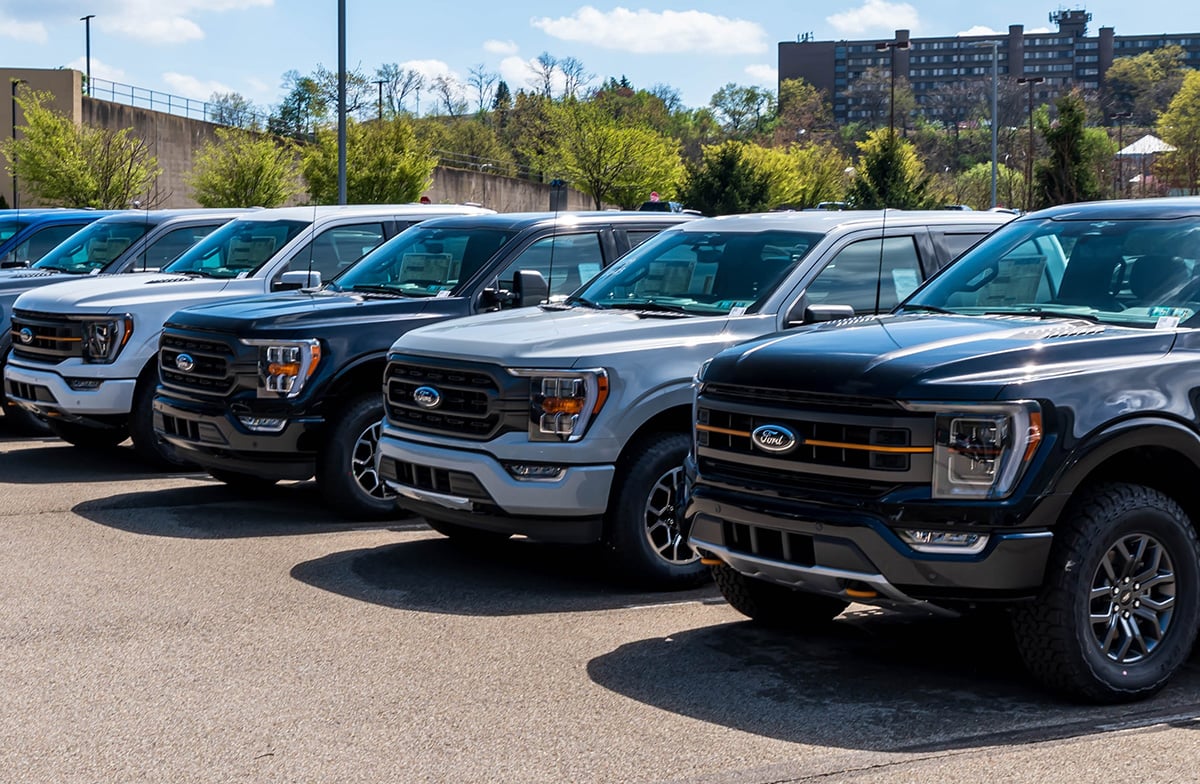
The F-150 is the best-selling vehicle in the U.S. and its aluminum-heavy body makes Ford especially exposed to the supply crunch.
A Plant Fire and a Tariff Wall
Two fires broke out at the Novelis aluminum rolling plant in Oswego, New York, in late 2025. The facility is the largest U.S. supplier of aluminum sheet to the auto industry, serving about a dozen companies including Ford, General Motors, and Stellantis.
The fires hit the section of the plant where aluminum is rolled into thin sheets for stamping into vehicle body parts. The plant has been offline since and is not expected to return to full production until at least June 2026.
Novelis, a unit of India’s Hindalco Industries, has been importing aluminum from its plants in Europe and South Korea to make up the shortfall. But that imported metal is hit with a 50% tariff under the current administration’s trade policy, and that cost gets passed down to automakers.
Ford said in February it had already absorbed a $2 billion hit tied to the fires. It expects to spend a further $1 billion on imported aluminum in 2026.

White House Holds Firm
Ford petitioned the administration in recent weeks, asking for relief from the aluminum duties at least until the Oswego plant is back online. The White House has not moved on the request.
Officials pointed to previous relief granted on automotive parts, where automakers were allowed to recoup some of the 25% tariff costs on components. A White House official said automakers “have raised supply concerns in light of the Novelis incident” but have not pressed the tariff relief request “in a particularly pronounced way.”
The situation may get more complicated. New tariff rules overhaul how metals duties are applied — shifting the levy from just the metal content to the full value of finished products containing aluminum or steel. For many products, total tariff costs are expected to rise under this structure.
Adding to the complexity, the 50% aluminum tariff is already reflected in domestic aluminum prices through a delivery premium paid by buyers. That premium currently sits at about $2,500 per metric ton, according to S&P Global Energy.
As one analyst put it: “Even if this fire had never happened, they’d still be paying the delivery premium, which includes the tariff.”
Ford’s conversations with the administration are ongoing as part of broader automaker discussions about tariff impacts. So far, no relief has been granted.
Stop guessing and start investing with confidence. KnockoutStocks gives you the AI insights, market intelligence, and stock research you need to spot opportunities, cut through the noise, and make smarter investment decisions — all in one powerful platform.
Sign up today and get 50% OFF full access to our premium stock picks.
Simply use coupon code SPECIAL50 at checkout to claim your exclusive discount.
Get 3 Free Stock Ebooks
Discover top-performing stocks in AI, Crypto, and Technology with expert analysis.
- Top 10 AI Stocks - Leading AI companies
- Top 10 Crypto Stocks - Blockchain leaders
- Top 10 Tech Stocks - Tech giants



