





TLDR
- Michael Burry criticized President Trump after Trump mocked short sellers at a White House event.
- Trump said short sellers were “in big trouble” and “being wiped out” during the market rally.
- Burry defended short selling, saying it helps markets function properly.
- Burry also claims Trump’s Iran policy is shaped by fear of stock market drops.
- Oil prices spiked above $126 a barrel during the conflict before falling back near pre-war levels.
President Donald Trump mocked short sellers on Monday during a White House event for the launch of Trump Accounts. He said a “couple of guys” who bet against the market were “in big trouble” and “being wiped out.”
Trump also said he does not like short sellers because they bet against the country.
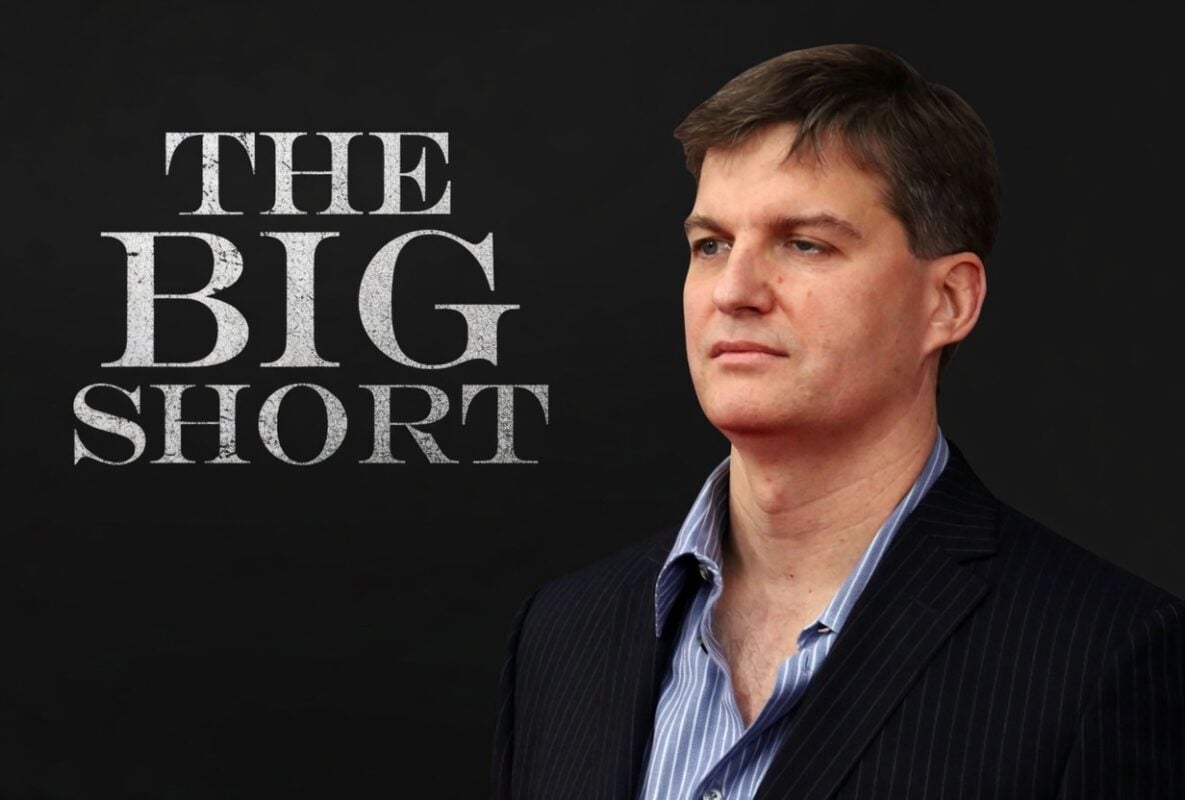
Michael Burry, the investor known for predicting the 2008 housing crash, responded on social media. He said Trump could not understand his investment strategy but was skilled at making money as president.
The post has since been deleted from Burry’s account.
Burry Defends Short Selling
Burry runs a Substack where he writes about investing. He has shifted away from managing a hedge fund to sharing his personal views online.
In his response, Burry said the biggest mistake short sellers make is believing other people are smarter than they actually are. He also described short selling as risky, saying it involves limited upside and can lead to fast losses.
Burry explained that his portfolio stays mostly invested in long positions most of the time. He said he holds more cash when stock prices seem too high, then looks for deals when the market drops further.

A White House spokesman responded to Burry’s comments. He said Burry has predicted market crashes that never happened and should focus on his own credibility.
Burry Ties Trump’s Iran Decisions to Stock Market Swings
Separately, Burry has argued that Trump’s approach to the Iran conflict is connected to stock market performance. In a Substack post from March, Burry called the stock market Trump’s biggest weakness.
He wrote that Trump’s Iran strategy could be summed up as trying to end the conflict before the market drops too far.
After a peace deal was announced in June, Burry said Trump’s decisions continue to follow this pattern. He pointed to past tariff reversals that came alongside big market rallies.
Burry also suggested the peace deal could lead to eased sanctions on Iran over time. He said this could be part of an effort to reduce tension through economic growth rather than pressure.
Oil prices reflected the swings in the conflict. Brent crude rose above $126 a barrel during the height of tensions.
Prices fell after a ceasefire took hold and shipping through the Strait of Hormuz resumed. By June 30, Brent crude traded near $73 a barrel, close to levels seen before the war began in February.
The S&P 500 also swung sharply during this period. It first passed 7,000 points in January, driven largely by excitement around artificial intelligence.
By the end of March, the index had dropped to its lowest close of the year. It has since climbed back, trading near 7,537 points at the start of July.
Reports have also emerged about large trades placed shortly before Trump softened his stance on Iran strikes. The White House has denied any link between market activity and its handling of the war.
Burry did not respond to a request for comment on his latest remarks.
Stop guessing and start investing with confidence. KnockoutStocks gives you the AI insights, market intelligence, and stock research you need to spot opportunities, cut through the noise, and make smarter investment decisions — all in one powerful platform.
Sign up today and get 50% OFF full access to our premium stock picks.
Simply use coupon code SPECIAL50 at checkout to claim your exclusive discount.
Get 3 Free Stock Ebooks
Discover top-performing stocks in AI, Crypto, and Technology with expert analysis.
- Top 10 AI Stocks - Leading AI companies
- Top 10 Crypto Stocks - Blockchain leaders
- Top 10 Tech Stocks - Tech giants



