





TLDR
- Novartis fell over 12% on Tuesday, on track for its worst trading day since March 2020.
- Its del-desiran drug failed the Phase III HARBOR trial for myotonic dystrophy type 1, missing the primary endpoint.
- This marks the third drug trial setback for Novartis in a week, following the pelacarsen failure and a pause on rap-cel trials after three patient deaths.
- Jefferies analyst Michael Leuchten kept a “hold” rating and warned the company’s growth targets now look hard to hit without further M&A.
- Novartis maintained its 2025-2030 sales growth guidance of 5-6% CAGR.
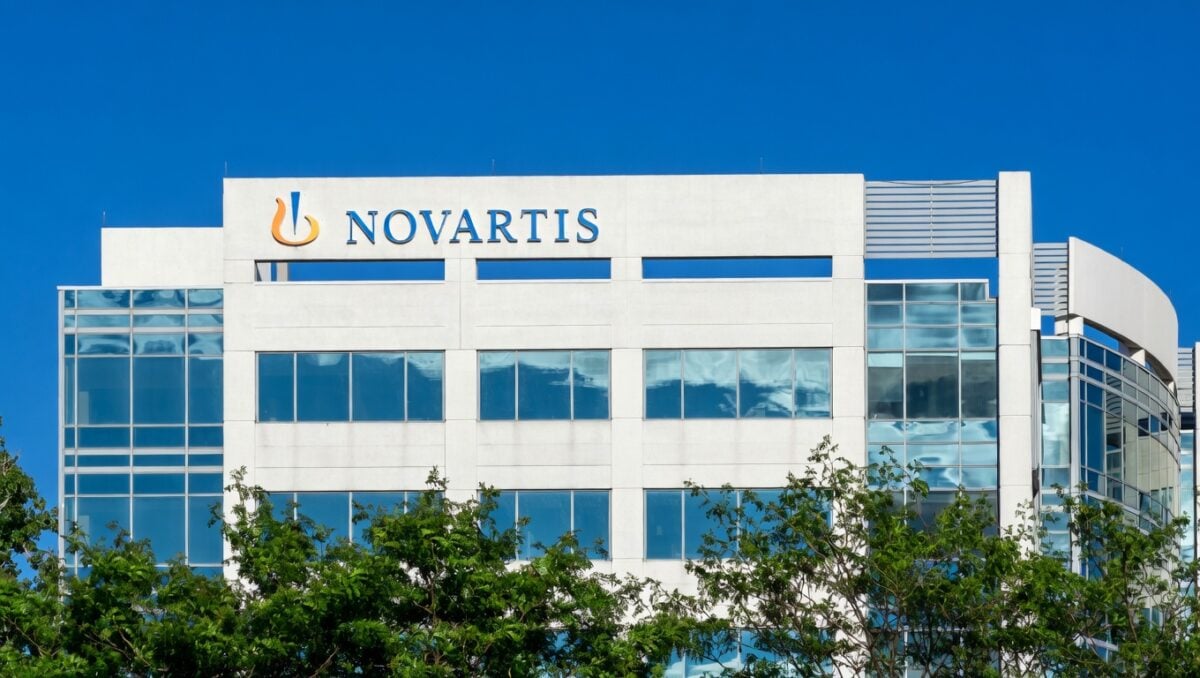
Novartis took a heavy hit on Tuesday after its del-desiran drug failed a late-stage clinical trial, sending the stock down more than 12% to around $112.56, its lowest level since early January.
The drug, formally known as delpacibart etedesiran, missed the primary endpoint in the Phase III HARBOR study for myotonic dystrophy type 1 (DM1), a progressive neuromuscular disease with no currently approved treatments. The trial, which ran 54 weeks across 150 patients, failed to show a statistically meaningful improvement in video hand opening time compared to placebo.
Novartis said it observed activity across secondary and exploratory measures and plans to work with regulators to determine next steps for the del-desiran program.
The failed trial is the third setback for Novartis investors in a week. Just days earlier, the company said its pelacarsen drug failed to reduce cardiovascular event risk in a late-stage trial. A week before that, Novartis paused eight clinical trials of its experimental cell therapy rap-cel after three patient deaths.
Jefferies Flags Growing Concern
Jefferies analyst Michael Leuchten, who maintained a “hold” rating with a price target of CHF110, said the problem “goes beyond this failed trial.” He pointed out that Novartis paid $12 billion to acquire Avidity Biosciences last year, and del-desiran alone represented roughly one-third of projected peak sales from that deal.
Leuchten also warned that the company’s growth target above 5% after 2030 will likely be seen as out of reach without further acquisitions, which he described as “now questionable again.”

He flagged that the del-desiran failure also dents confidence in del-brax, another Avidity asset targeting facioscapulohumeral muscular dystrophy. Phase III data for del-brax is not expected until 2028.
Novartis is currently trading at above 16 times 2027 earnings, versus a sector average below 13 times. Leuchten said that premium is now “harder to argue” and pointed to AstraZeneca as a precedent, having re-rated to 14 times after its own setbacks.
What Novartis Still Has Going For It
Not everything in the pipeline is falling apart. The third Avidity asset, del-zota for Duchenne muscular dystrophy, recently received FDA Priority Review and continues to advance.
Novartis also reported positive late-stage results last week for remibrutinib, an experimental treatment for relapsing multiple sclerosis, which showed a clinically meaningful delay in disability progression.
The company maintained its five-year sales CAGR guidance of 5-6% for 2025 to 2030, with Chief Medical Officer Shreeram Aradhye saying setbacks are “part of scientific progress.”
Del-zota holds Orphan Drug, Fast Track, and Breakthrough Therapy designations from the FDA, and Orphan Medicinal Product designation in the EU.
Novartis said it plans to meet with the FDA on del-brax following positive early-stage biomarker data from the Phase I/II study.
Stop guessing and start investing with confidence. KnockoutStocks gives you the AI insights, market intelligence, and stock research you need to spot opportunities, cut through the noise, and make smarter investment decisions — all in one powerful platform.
Sign up today and get 50% OFF full access to our premium stock picks.
Simply use coupon code SPECIAL50 at checkout to claim your exclusive discount.
Get 3 Free Stock Ebooks
Discover top-performing stocks in AI, Crypto, and Technology with expert analysis.
- Top 10 AI Stocks - Leading AI companies
- Top 10 Crypto Stocks - Blockchain leaders
- Top 10 Tech Stocks - Tech giants



