





TLDR
- The US government now owns 5.5% of Intel shares with plans to reach 10%.
- Intel’s share price rose over 70% since government investment news.
- Intel shipped 18A sub-2nm chips on schedule by the end of 2025.
- Nvidia and SoftBank invested billions in Intel alongside US stake.
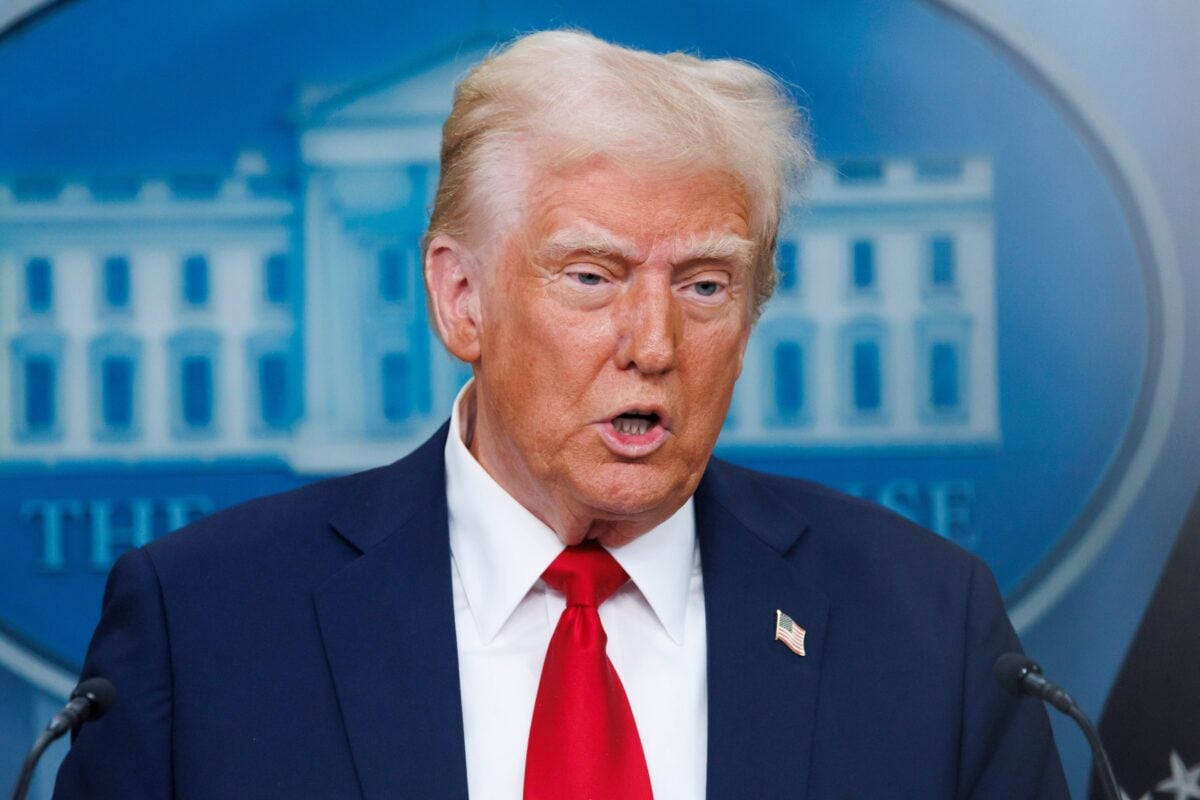
President Donald Trump met with Intel CEO Lip-Bu Tan at the White House on Thursday, as the U.S. government continues expanding its ownership in the major chipmaker. The two discussed Intel’s progress on advanced processor technology and the government’s growing investment in the company.
Government Grows Ownership in Intel Amid Manufacturing Push
President Donald Trump met with Intel CEO Lip-Bu Tan at the White House on Thursday, January 8. The meeting focused on Intel’s development of next-generation computer chips and the U.S. government’s increasing ownership stake in the company.
President Trump met with Intel Chief Executive Officer Lip-Bu Tan on Thursday at the White House, where the two men discussed the company’s progress on its new line of processors following the US government’s purchase of shares in the chipmaker. https://t.co/5gPHdhffYb
— Bloomberg (@business) January 8, 2026
According to officials, the federal government now holds about 5.5% of Intel’s shares. Plans are in place to raise that to 10% in the coming months. Trump posted on his social media platform, Truth Social, after the meeting, praising Intel’s progress and the strategic deal. “We made a great deal, and so did Intel,” Trump wrote.
The government began purchasing Intel shares in August. At the time, the stake was worth approximately $5.7 billion. Today, the value of the current holding has risen to just over $11 billion. The increase follows a sharp 70% rise in Intel’s stock price since news of the investment first surfaced.
Intel Working to Reclaim Market Share
Intel has faced growing competition in recent years. It once dominated the global semiconductor market but has since been overtaken by rivals producing faster and more efficient chips. Lip-Bu Tan, who became CEO in March, has moved to strengthen the company’s technology and regain lost ground.
At an industry conference earlier this week, Tan announced that Intel successfully shipped its first sub-2-nanometer 18A chips by the end of 2025, staying on schedule. These smaller chips allow devices to operate faster and use less power.

Despite these advancements, Intel still depends on third-party manufacturers for parts of its chip production. Taiwan Semiconductor Manufacturing Company (TSMC) remains a key partner in this area.
Private Investors Also Back Intel
Beyond the U.S. government, other major investors have taken interest in Intel’s efforts to rebuild. Nvidia and Japan’s SoftBank Group have each acquired large stakes in the company. Combined, these investments reflect confidence in Intel’s long-term plans.
Intel’s leadership said the combined support from government and private investors strengthens its ability to invest in domestic manufacturing. The goal is to reduce dependency on overseas chip producers and build a stable supply chain within the United States.
Valuation and Future Share Acquisitions
Trump stated on Truth Social that the government had made “tens of billions of dollars for the American people.” However, current data shows the value of the government’s owned shares stands just above $11 billion. There are additional shares the government has rights to purchase under specific conditions.
If these were included, the total stake would be worth an estimated $27.7 billion. But those shares are not yet fully owned, and their acquisition depends on future developments. Intel has not commented beyond referring to public filings. The White House has not released an official statement regarding the meeting or the investment’s future path.


