



TLDR
- The Bureau of Labor Statistics will not release the January 2026 jobs report on Friday as scheduled due to a partial government shutdown that began Saturday
- The delay affects Federal Reserve decision-making ahead of its March meeting, where policymakers need employment data to assess potential interest rate changes
- Polymarket shows 90% odds of no March rate cut, up 33% following the delay, as the data gap creates uncertainty for policymakers
- This marks the second shutdown at the BLS in five months, following a six-week closure last fall that caused reporting delays extending into April 2026
- House Speaker Mike Johnson expects the funding impasse to be resolved by Tuesday, with Department of Homeland Security funding being a major point of disagreement
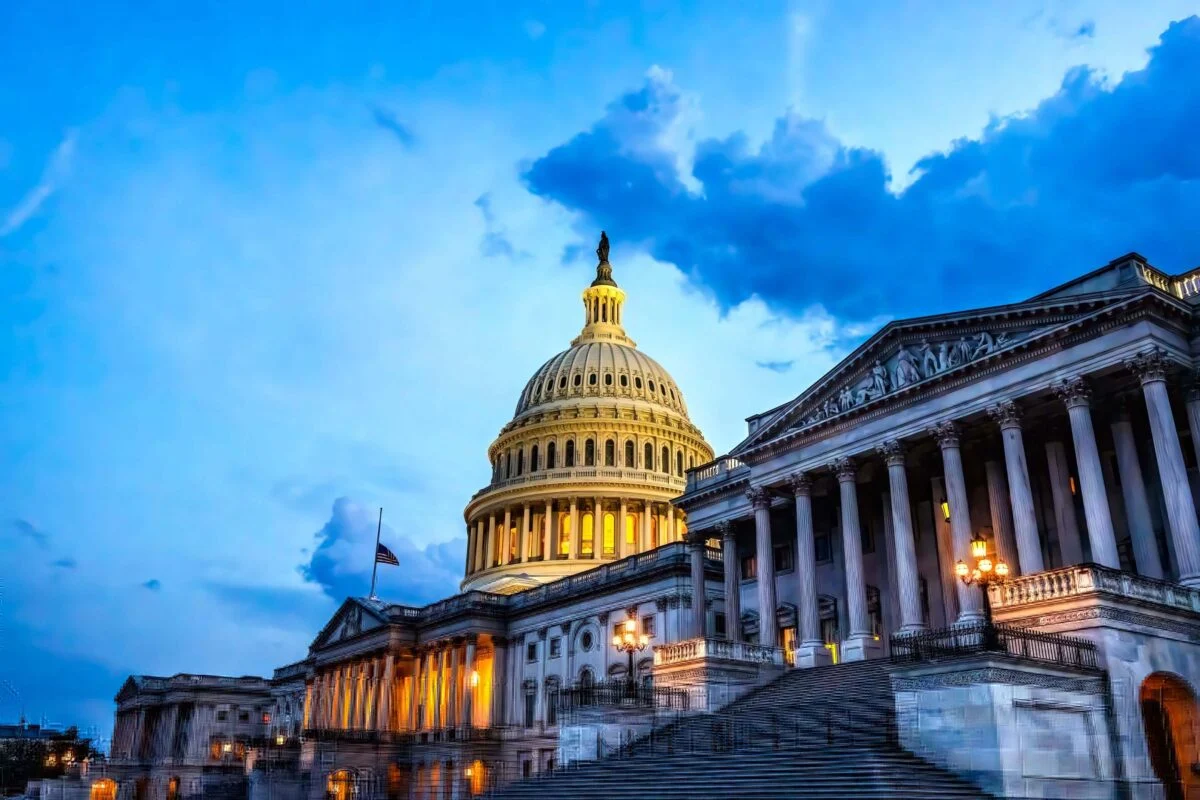
The January jobs report will not be released this Friday due to a partial government shutdown affecting the Bureau of Labor Statistics. The delay creates uncertainty around potential Federal Reserve interest rate decisions in March.
🚨 BREAKING: Chuck Schumer just announced he will FORCE an “extended government shutdown” if the SAVE Act—requiring proof of citizenship to vote—comes to the Senate
Dems KNOW they will NEVER win an election again if only citizens vote.
NUKE THE FILIBUSTER AND PASS THE SAVE ACT! pic.twitter.com/KPIccj9rdI
— Nick Sortor (@nicksortor) February 2, 2026
Emily Liddel, associate commissioner at the BLS, confirmed the report will only be released after government funding resumes. The shutdown began Saturday following a missed spending deadline in Congress.
Missing Data Creates Policy Uncertainty
The January jobs report includes nonfarm payrolls data, unemployment rates, and household employment surveys. Markets had expected job growth of 55,000 with unemployment holding at 4.4%.
The BLS also postponed the Job Openings and Labor Turnover Survey. Consumer price index and trade data releases face similar delays.
House Speaker Mike Johnson said over the weekend he expects the funding impasse to end by Tuesday. A major disagreement involves Department of Homeland Security funding following immigration-related disputes.
The BLS has already finished data collection for January. However, the shutdown prevents the agency from collating data and assembling the public report.

This marks the second time in five months that work has stopped at the federal government’s primary economic statistics agency. A six-week closure last fall caused reporting delays extending into April 2026.
During that previous shutdown, the BLS could not collect October inflation and unemployment data. Some economists say the methods used to fill in missing numbers will distort inflation data until later this year.
Fed Meeting Approaches Without Key Labor Data
The Federal Reserve’s next policy meeting is scheduled for March. Without January labor data, policymakers may rely on December figures and alternative indicators.
🚨 BREAKING: January Jobs Report DELAYED 🚨
The U.S. government shutdown has officially halted the release of the January Employment Situation report, originally scheduled for this Friday, Feb 6.
Economists were expecting +80,000 jobs (up from Dec’s 50k)
JOLTS: Tuesday’s… pic.twitter.com/G6F11tzJjv
— DatafactsHub (@datafactshub) February 2, 2026
These include weekly jobless claims and private employment surveys. Payroll processor ADP will release its monthly customer head count data Wednesday morning.
UBS economist Alan Detmeister noted that private sector reports help as a stopgap. However, they cannot replace government data covering the whole economy.
Polymarket data shows 90% odds for no rate change in March, up 33% following the delay. Odds for a 25 basis point cut stand at 8%.
Fed Rate Decision Cheatsheet for Prediction Market Traders – March Meeting
Trade live on @tradefoxai on either Polymarket or Kalshi
Market Snapshot
• No change: 90%
• 25 bps cut: 8%
• 25+ bps hike: ~2%
• 50+ bps cut: ~1%1) Core Read
This is a near-consensus market. The… pic.twitter.com/S7EnFcI31K
— Yoshi (@tradefoxintern) February 2, 2026
The Federal Reserve held rates steady at last week’s FOMC meeting. Officials emphasized a data-dependent approach, making the missing jobs report crucial for policy decisions.
President Donald Trump nominated Kevin Warsh as the next Fed chair once Jerome Powell exits in May. Warsh previously backed a strong dollar policy.
Crypto markets still price in three rate cuts this year despite Warsh’s perceived hawkish position. Political pressure for lower rates continues.
The BLS faces other challenges including budget constraints and a staffing shortfall from the Trump administration’s federal hiring freeze. The agency has operated without a senate-confirmed leader since Trump fired then-commissioner Erika McEntarfer last summer.
On Friday, Trump nominated Brett Matsumoto, a career BLS economist, to lead the agency. The choice won praise from data watchers who feared a political appointee.
If Congress cannot reach a budget deal into February, rolling delays at the BLS would multiply. The agency would fall behind on collecting this month’s jobs and inflation numbers.
The current shutdown will first affect Tuesday morning’s release of the December job openings and labor turnover report. It marks the third monthly JOLTS report of the past four to get pushed back.
A shutdown extending into next week may force the BLS to delay its January inflation report scheduled for February 11.
Considering a new stock? You may want to see what’s on our watchlist first.
Our team at Knockout Stocks follows top-performing analysts and market-moving trends to spot potential winners early. We’ve identified five stocks gaining quiet attention that could be worth watching now. Create your free account to unlock the full report and get ongoing stock insights.Get 3 Free Stock Ebooks
Discover top-performing stocks in AI, Crypto, and Technology with expert analysis.
- Top 10 AI Stocks - Leading AI companies
- Top 10 Crypto Stocks - Blockchain leaders
- Top 10 Tech Stocks - Tech giants



