






TLDR
- The IMF warned that tokenization could transmit crypto market risks into global financial systems.
- The report said atomic settlement can reduce counterparty exposure but may speed up market stress.
- The IMF stated that faster automated systems could trigger rapid margin calls and liquidations.
- The organization identified stablecoins as a bridge between crypto platforms and traditional finance.
- The IMF said stablecoin reliability depends on reserve backing and smooth redemption systems.
The International Monetary Fund (IMF) warned that tokenization could transmit crypto market risks into global finance. The agency said distributed ledgers can reshape settlement systems and liquidity management. However, it stated that faster execution may strain oversight and crisis response frameworks.
Tokenization May Speed Settlement and Increase Market Stress
The IMF said tokenization moves assets such as money, bonds, and funds onto shared blockchains. As a result, transactions can settle instantly without traditional intermediaries. The report described this process as an “atomic settlement” that completes transfers in a single step. It added that instant settlement could reduce counterparty exposure across trading venues.
However, the IMF said atomic settlement would force firms to manage liquidity in real time. The report stated, “Stress events are likely to unfold faster, leaving less time for discretionary intervention.” It explained that automated systems could trigger margin calls and liquidations without delay. Therefore, rapid execution may accelerate price declines during downturns.
The IMF linked such patterns to previous crypto market selloffs. It said smart contracts can execute actions immediately once conditions are met. Consequently, firms may face compressed timelines to respond during volatility. The agency urged that tokenized asset systems remain anchored in safe settlement assets.
The report stressed the need for legally recognized settlement finality. It also called for governance frameworks that can operate across jurisdictions. According to the IMF, these safeguards would help maintain financial stability. Without them, tokenization could test existing regulatory structures.
Stablecoins and Cross-Border Risks in Tokenization Systems
The IMF identified stablecoins as a bridge between crypto markets and traditional finance. It said these tokens could serve as settlement assets on tokenized platforms. Stablecoins typically peg their value to fiat currencies such as the dollar. Therefore, their reliability depends on reserve backing and redemption mechanisms.
The report warned that stablecoins could face runs during periods of stress. It said redemption systems must function smoothly to prevent liquidity shocks. If confidence weakens, holders may seek rapid withdrawals. Such movements could strain reserves and link financial institutions.

The IMF also highlighted cross-border implications of tokenization. It said tokenized assets can move instantly across jurisdictions. As a result, regulators may struggle to track capital flows in real time. The agency noted concerns about capital flight and currency substitution in emerging markets.
The organization called for clearer legal frameworks to govern tokenized finance. It also urged stronger global coordination among regulators. The report argued that fragmented rules could undermine oversight.
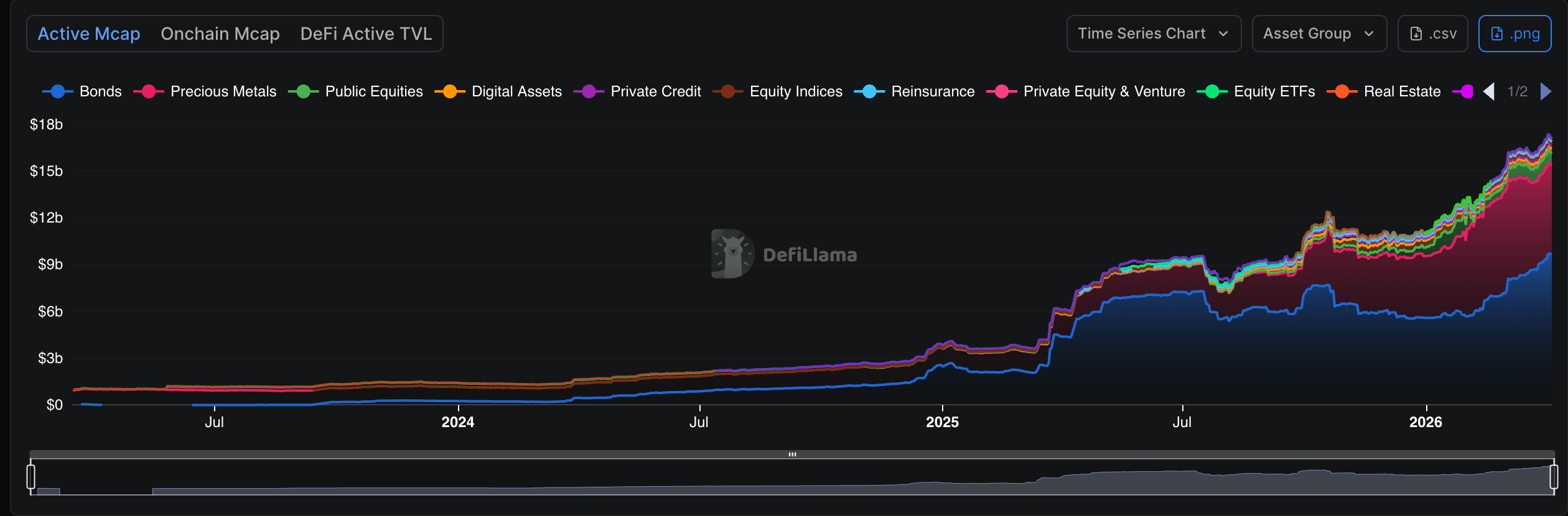
Source: DeFiLlama
According to DeFiLlama data, tokenized real-world assets have exceeded $23.2 billion, excluding stablecoins.
Considering a new stock? You may want to see what’s on our watchlist first.
Our team at Knockout Stocks follows top-performing analysts and market-moving trends to spot potential winners early. We’ve identified five stocks gaining quiet attention that could be worth watching now. Create your free account to unlock the full report and get ongoing stock insights.Get 3 Free Stock Ebooks
Discover top-performing stocks in AI, Crypto, and Technology with expert analysis.
- Top 10 AI Stocks - Leading AI companies
- Top 10 Crypto Stocks - Blockchain leaders
- Top 10 Tech Stocks - Tech giants



