





TLDR
- Manhattan District Attorney Alvin Bragg is pushing for stricter regulations to criminalize unlicensed crypto operations in New York.
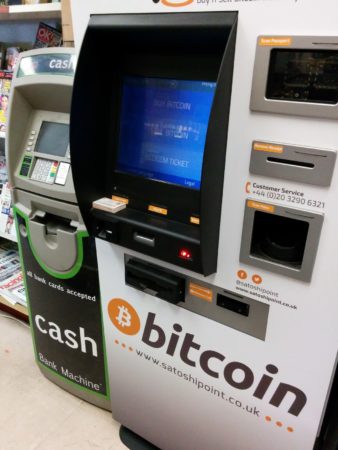
- Bragg highlights the role of unlicensed crypto kiosks and ATMs in facilitating money laundering and other illicit activities.
- He proposes mandatory licensing and know-your-customer requirements for all crypto businesses operating in New York.
- The proposed regulations would strengthen consumer protections and give prosecutors more tools to fight crypto-related crime.
- Bragg addresses concerns over crypto scams targeting elderly New Yorkers and supports legislation for better recovery options.
Alvin Bragg, Manhattan’s district attorney, is urging state lawmakers to address the growing threat of unlicensed crypto operations. He highlights the increasing role of cryptocurrency in illicit activities, ranging from money laundering to fraud. Bragg calls for stronger regulatory measures to curb this unchecked sector and to protect consumers from financial crimes.
Targeting Unlicensed Crypto Kiosks and ATMs
Bragg focused on the widespread use of unlicensed crypto kiosks and ATMs. These machines, often charging high fees, have become popular tools for criminals seeking to launder illicit funds. According to Bragg, the machines typically ask few questions about the source of the funds being converted into cryptocurrency.
“Criminals know they can use these kiosks to launder proceeds from guns, drugs, and other illegal activities,” said Bragg. He emphasized that these operations are exploiting regulatory gaps to move money without proper oversight. Law enforcement often faces challenges in tracking such transactions, as criminals can avoid triggering traditional banking systems.
The Manhattan DA has successfully brought cases involving Bitcoin ATM operations and terrorism-related crypto schemes. However, Bragg argues that current laws make it too easy for criminals to avoid detection. “We shouldn’t need someone to slip up,” Bragg added, stressing the importance of closing regulatory loopholes to strengthen enforcement efforts.
Proposal for Mandatory Licensing and Know-Your-Customer Requirements
Bragg’s proposal includes mandatory licensing and know-your-customer (KYC) regulations for all crypto businesses operating in New York. He believes that all companies involved in cryptocurrency transactions should be held to the same standards as traditional financial institutions. Criminal penalties would be enforced for businesses that fail to comply with these new regulations.
“If you’re operating a crypto business, you should be licensed,” Bragg stated. His proposal aims to create clearer guidelines for law enforcement and strengthen consumer protections against fraud. By ensuring all crypto businesses are licensed, Bragg believes the state can better combat money laundering and other financial crimes.
If adopted, this measure would make New York the 19th state to criminalize unlicensed crypto operations. The move has gained support from consumer protection advocates who argue that stronger regulations are necessary to fight the growing trend of crypto-related fraud. Bragg’s initiative would offer prosecutors more tools to tackle illegal crypto activities effectively.

Response to Concerns Over Crypto Scams
During a Q&A session, Bragg addressed concerns about the rise of crypto scams targeting elderly New Yorkers. Many victims have lost life savings to “pig-butchering” scams, where fraudsters manipulate victims online into sending crypto to fraudulent addresses. Bragg acknowledged the difficulty in recovering stolen funds and emphasized the need for stronger legal frameworks to prevent such crimes.
Bragg pointed to existing legislation, including the R.I.P.O.F.F. Act, as a potential solution to expand recovery options for scam victims. The proposed act aims to improve recovery methods and assist individuals who fall victim to crypto fraud. Bragg’s office is actively working with lawmakers to introduce such measures to combat crypto-related crimes more effectively.
The push for stricter regulation comes as federal authorities are also ramping up enforcement. US prosecutors are increasingly targeting scams involving cryptocurrencies, underscoring the urgency of legislative action in states like New York.


