





TLDR
- Nine vessels attacked in Gulf waters since U.S.-Iran conflict began Saturday
- A Bahamas-flagged tanker was hit near Iraq; a second tanker off Kuwait is taking on water and leaking oil
- Around 200 ships are anchored in open waters, unable to move; hundreds more are stuck outside the Strait of Hormuz
- Oil prices have risen 15% since the war started; European gas prices are up ~50% this week
- London insurance market says coverage for Hormuz transit is available, but at higher rates
The U.S.-Iran war, now in its fifth day, is disrupting oil and gas shipments across the Middle East. Nine vessels have been attacked in Gulf waters since fighting broke out on Saturday.
🚨🇮🇷🇰🇼 Iran just attacked a tanker anchored off Kuwait.
Small craft approached, large explosion on the port side, then disappeared.
The IRGC is claiming it was an American oil tanker.
150 ships are already stranded across the region. Now Iran is hunting the ones at anchor.… https://t.co/cAzp9fMZGE pic.twitter.com/oHeGP6JCiZ
— Mario Nawfal (@MarioNawfal) March 5, 2026
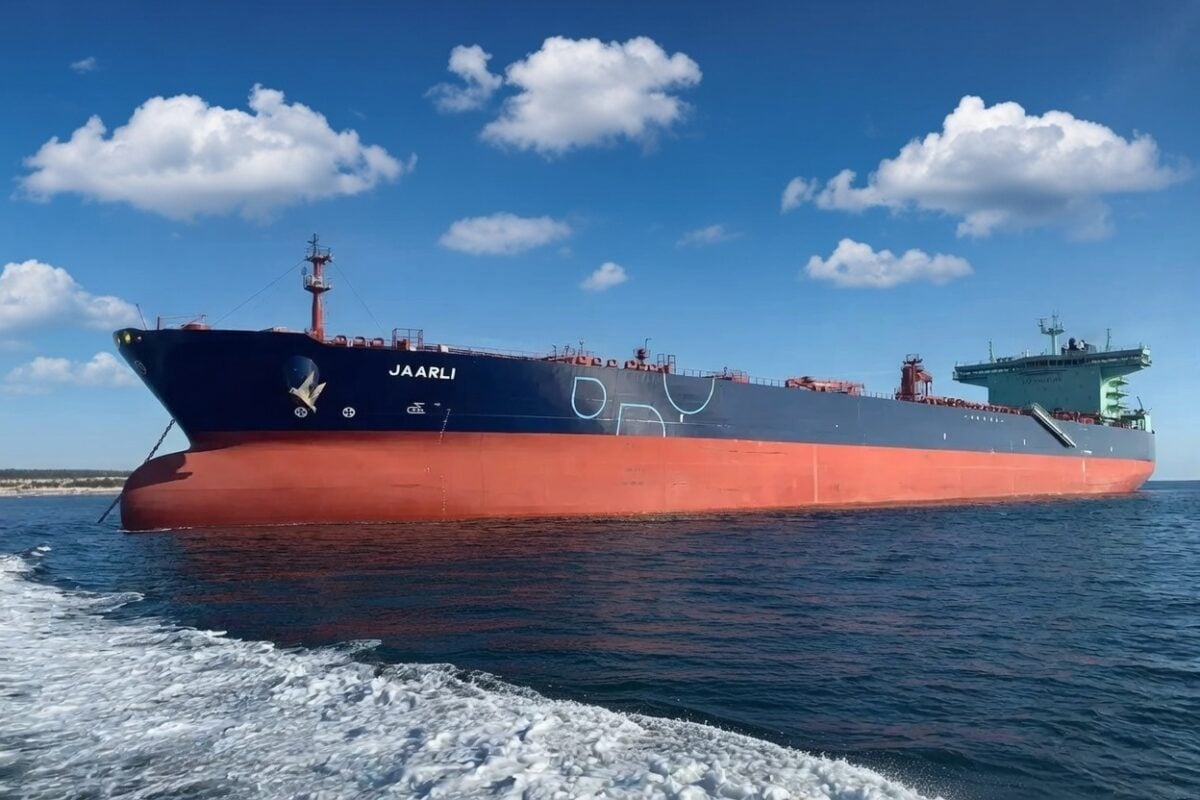
On Thursday, a Bahamas-flagged crude oil tanker was targeted by an Iranian remote-controlled boat packed with explosives near Iraq’s Khor al Zubair port. A second tanker anchored off Kuwait was taking on water and leaking oil after a large explosion on its port side.
Iran also launched a wave of missiles at Israel on Thursday and sent drones into Azerbaijan, injuring four people. The conflict is now threatening to spread beyond the Gulf.
Around 200 ships — including oil tankers, liquefied natural gas carriers, and cargo vessels — are sitting at anchor in open waters off major Gulf producers. Hundreds more are stuck outside the Strait of Hormuz, unable to reach ports.
The Strait of Hormuz handles roughly one-fifth of the world’s oil and LNG supply. Its effective closure is already having a measurable impact on global energy markets.
BP evacuated foreign workers from Iraq’s Rumaila oil field after two unidentified drones landed inside it. Iraq has cut oil output by nearly 1.5 million barrels per day, as the country ran out of storage capacity and could not load tankers.

A refinery in Kuwait shut down. A second reduced its processing rate. A third refinery in Bahrain also cut output.
Insurance Market Responds
The London insurance market says it is willing to cover ships transiting the Strait of Hormuz, though at elevated rates. Broker Arthur J. Gallagher said coverage is available for vessels already in the Persian Gulf and for those looking to enter or exit through the strait.
Brokers Marsh and Aon are reportedly in talks with the U.S. government as part of President Trump’s pledge to help insure tankers. Lloyd’s of London confirmed it is working with the U.S. International Development Finance Corporation on the matter.
Despite available insurance, most shipowners are choosing not to move. Analysts suggest the primary barrier is crew safety, not coverage costs.
Energy Prices Climb Sharply
Oil prices rose around 2% on Thursday, bringing the total gain since Saturday to roughly 15%. U.S. crude rose about 3% on Thursday alone.
European benchmark gas prices gained 2% on Thursday and are up around 50% for the week. Qatar, which supplies 20% of the world’s LNG, halted gas production earlier this week due to the conflict.
Russia’s President Vladimir Putin said Russia could halt gas supplies to Europe immediately, citing the spike in energy prices caused by the Iran crisis.
The U.S. and Australia have little spare capacity to replace Qatar’s lost LNG supply, according to industry analysts and Reuters calculations.
Considering a new stock? You may want to see what’s on our watchlist first.
Our team at Knockout Stocks follows top-performing analysts and market-moving trends to spot potential winners early. We’ve identified five stocks gaining quiet attention that could be worth watching now. Create your free account to unlock the full report and get ongoing stock insights.Get 3 Free Stock Ebooks
Discover top-performing stocks in AI, Crypto, and Technology with expert analysis.
- Top 10 AI Stocks - Leading AI companies
- Top 10 Crypto Stocks - Blockchain leaders
- Top 10 Tech Stocks - Tech giants



