





TLDR
- Sen. Thom Tillis said he will ask for a CLARITY Act markup.
- The bill would define SEC and CFTC roles in crypto oversight.
- Stablecoin yield remains a key issue in Senate talks.
- Tillis said most bank concerns have been addressed.
- Text on stablecoin yield may arrive days before markup.
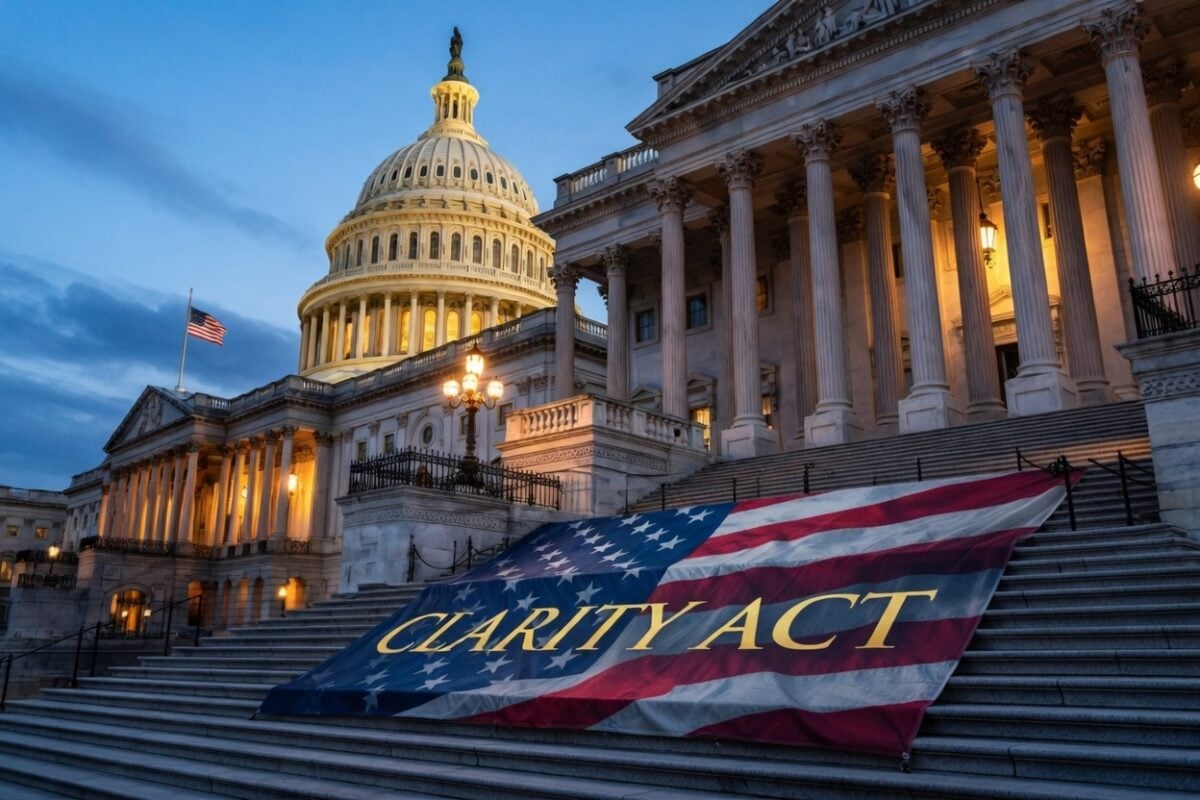
Sen. Thom Tillis said he is ready to push the CLARITY Act toward a Senate committee markup, adding momentum to a digital asset market structure bill that has been waiting for further action after passing the House.
The CLARITY Act is designed to set clearer federal rules for digital assets by defining when tokens fall under securities law and when they should be treated as digital commodities. The bill would assign primary oversight of spot digital commodity markets to the Commodity Futures Trading Commission while preserving Securities and Exchange Commission authority where securities laws apply.
Tillis Says Stablecoin Yield Concerns Were Addressed
Tillis said most concerns from banks over stablecoin yield have been heard and addressed. He added that other stakeholders can continue working with lawmakers in good faith before the markup process begins.
Stablecoin yield has been one of the main points delaying Senate action. Some banking groups and lawmakers have raised concerns that yield-bearing stablecoin products could compete with deposits or blur the line between payment tokens and investment products.
🚨NEW: @SenThomTillis (R-NC) says he’s ready to push the Clarity Act forward to a markup.
“I’m going to ask the chair to move forward with scheduling a markup when we get back… I think we’ve made a lot of progress… and it’s time to get it before the committee to move it…
— Eleanor Terrett (@EleanorTerrett) April 29, 2026
Tillis said legislative language on stablecoin yield could be released four to five days before the markup, after stakeholders receive a preview. That timing would give lawmakers and industry participants a short review window before formal committee action.
The debate comes after the GENIUS Act became law in July 2025, creating the first federal framework for payment stablecoins. That law limits stablecoin issuance to permitted institutions, requires one-to-one reserves in high-quality liquid assets, mandates monthly reserve disclosures, and applies Bank Secrecy Act obligations.

CLARITY Act Targets SEC and CFTC Boundaries
The CLARITY Act addresses a long-running dispute in U.S. crypto regulation: whether specific digital assets should be overseen mainly as securities or commodities.
The bill would give the CFTC primary authority over spot markets for digital commodities, including assets that operate on functional blockchain networks. The SEC would retain authority over tokenized securities and assets that meet securities-law standards.
A joint SEC and CFTC interpretive release in March 2026 created a five-category framework for digital assets. The categories include digital commodities, digital collectibles, digital tools, stablecoins, and tokenized securities.
Under that framework, assets such as Bitcoin, Ether, Solana, and XRP were listed among examples of digital commodities when their value is tied to functioning blockchain networks rather than managerial promises. Tokenized versions of traditional securities remain securities regardless of blockchain format.
Compliance Rules Expand for Crypto Firms
The GENIUS Act, CLARITY Act, and SEC-CFTC guidance are pushing crypto compliance into a more defined structure. Firms are now expected to identify which assets, employees, transactions, and information flows fall under specific regulatory categories.
Compliance teams may need to expand restricted lists, blackout periods, insider monitoring, and material non-public information controls. Stablecoin reserve events, token listings, protocol changes, security incidents, and treasury activity may all require internal controls.
Tillis also referenced concerns involving software developers and how law enforcement may view enforcement under Section 1960, the federal criminal statute covering unlicensed money transmission. He pointed to Sen. Cynthia Lummis’ approach and said he generally supports where the bill stands.
White House digital asset adviser Patrick Witt has said the CLARITY Act could create a clearer foundation for the crypto market. Lummis has also said the bill needs to move forward this year, warning that delays could push another major opportunity years into the future.
More than 120 crypto firms have urged lawmakers to schedule a markup. The next key step is whether the Senate Banking Committee places the bill on the calendar and releases revised text on stablecoin yield before the vote.


