





TLDR
- SpaceX filed for an IPO targeting a valuation above $2 trillion, potentially the largest in history
- Space stocks including Rocket Lab, Planet Labs, and AST SpaceMobile rallied sharply on the news
- Analysts compare the moment to Netscape’s 1995 IPO, which legitimized the internet for Wall Street
- The IPO could trigger a broad re-rating of the space sector, attracting more institutional capital
- SpaceX’s reusable rocket technology has already cut launch costs dramatically, benefiting the wider industry
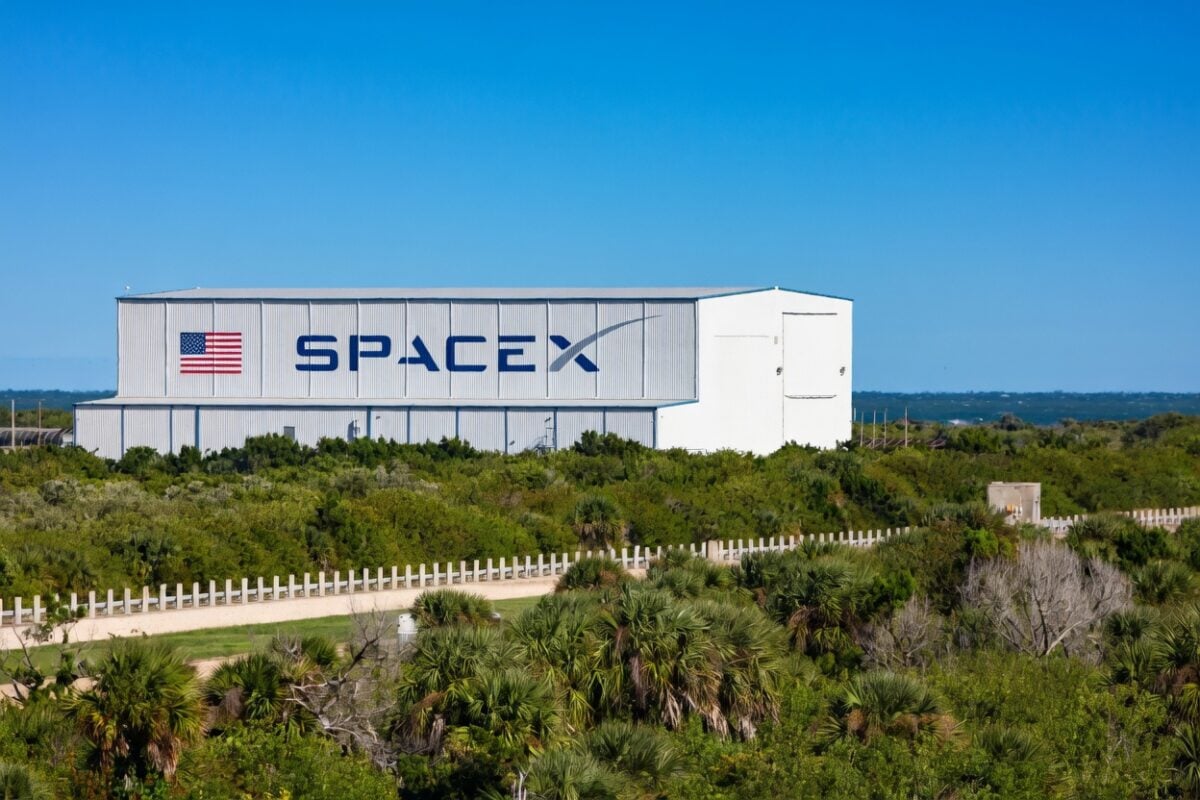
SpaceX filed for an IPO last week with a target valuation of over $2 trillion. If it hits that mark, it would be the largest IPO in stock market history.
The filing sent ripples across the space sector immediately. Rocket Lab rose roughly 11%, AST SpaceMobile climbed around 12%, Planet Labs jumped more than 10%, and Firefly Aerospace surged nearly 20%.
Investors are reading the filing as more than just one company going public. Many see it as a turning point for how Wall Street treats space as an investment category.
Chad Anderson, CEO of Space Capital, compared the moment to Netscape’s IPO in 1995. Before that listing, the internet was mainly used by academics and government workers. After it, institutional money flooded in.
Anderson says the same dynamic could now play out in space. “A lot of capital flooded to the internet area after Netscape’s IPO gave institutional investors a liquid asset to benchmark against,” he said.
Glen Anderson, CEO of Rainmaker Securities, echoed that view. He said space has long been seen as a niche, high-risk sector. A public listing at this scale could reframe it as critical infrastructure.
“SpaceX isn’t just going public — it’s effectively legitimizing space as a core asset class for global investors,” he said.
How Smaller Space Companies Stand to Benefit
Rainmaker expects the IPO to trigger a broad re-rating of the entire space ecosystem. That means higher valuations for companies in adjacent sectors and more capital flowing into new entrants.
Analysts pointed to several names that could benefit. Trimble, which uses commercial GPS data for construction, was mentioned. So was EchoStar, a satellite company that already holds SpaceX shares.

Rocket Lab came into the filing week with its own news. The company has an $816 million government satellite contract and is preparing to debut its Neutron rocket. Planet Labs also signed a multiyear satellite services deal with Sweden earlier this year.
SpaceX’s Reusable Rockets Already Changed the Math
SpaceX’s technology is part of why the sector is attracting attention. Each Space Shuttle launch cost up to $1.5 billion before retirement in 2011. A SpaceX Falcon 9 launch averages around $67 million.
In October 2024, SpaceX caught a previously launched Falcon 9 rocket — the first time that had ever been done. The milestone showed costs could fall even further.
Analysts believe other private space companies may also move toward public markets following SpaceX’s lead. Chad Anderson said many companies will look to “draft behind the giant, now that they’ve set this new benchmark.”
SpaceX has not yet confirmed a final IPO date, though reports suggest a mid-summer timeline is being targeted.
Considering a new stock? You may want to see what’s on our watchlist first.
Our team at Knockout Stocks follows top-performing analysts and market-moving trends to spot potential winners early. We’ve identified five stocks gaining quiet attention that could be worth watching now. Create your free account to unlock the full report and get ongoing stock insights.Get 3 Free Stock Ebooks
Discover top-performing stocks in AI, Crypto, and Technology with expert analysis.
- Top 10 AI Stocks - Leading AI companies
- Top 10 Crypto Stocks - Blockchain leaders
- Top 10 Tech Stocks - Tech giants



