





TLDR
- Tesla has posted over 100 Optimus-related job listings, signaling a major shift from prototype to mass production
- CEO Elon Musk announced Tesla will end production of the Model S and Model X, repurposing those Fremont lines to build Optimus robots
- Optimus Version 3 production is set to begin in summer 2026, with mass production targeted for 2027
- Tesla broke ground on a new Optimus manufacturing facility at Gigafactory Texas, with ambitions to reach 10 million units per year
- Musk has claimed Optimus could generate $10 trillion in revenue and surpass Tesla’s vehicle business in scale
Tesla (TSLA) is trading at around $278 as of March 25, 2026.
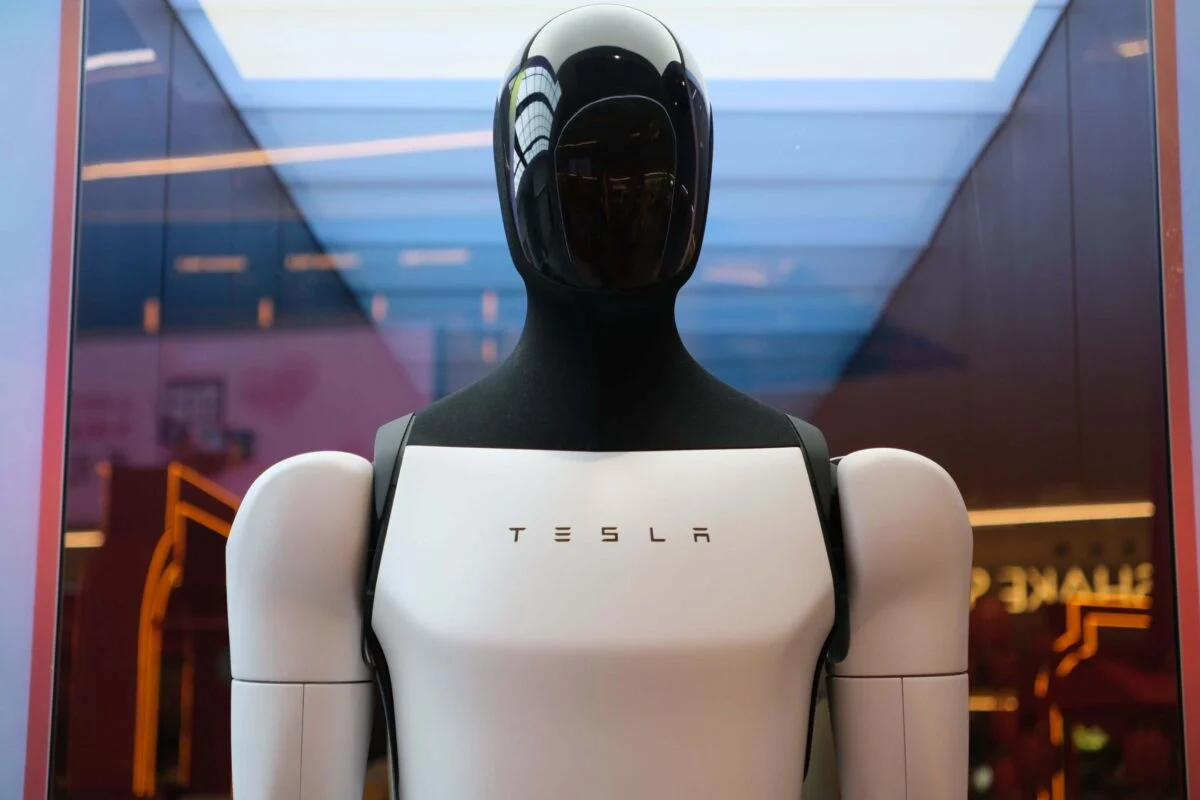
Tesla is making its biggest bet yet on humanoid robots. The company is pushing hard to move Optimus from demo stage to full-scale factory output, and its hiring activity shows just how serious that push has become.
Over 100 Optimus-related job listings are now live across Tesla’s U.S. facilities. Roles include Robotics Software Engineers, Manufacturing Engineers, Mechanical Integration Engineers, and AI Engineers focused on world modeling and video generation.
Optimus will be the biggest product ever made.
A general-purpose humanoid robot that can do useful work at scale will change the economics of labor & manufacturing.
Goal is to get Optimus to high-volume production as fast as possible.
If you’re great at AI, engineering, or… pic.twitter.com/4s92onmu2A
— Tesla Optimus (@Tesla_Optimus) March 25, 2026
One listing asks candidates to build scalable data pipelines for Optimus manufacturing lines and develop automation tools for mass production. That’s not prototype language — that’s factory language.
The clearest sign of Tesla’s commitment came on January 28, 2026, during the Q4 2025 earnings call. Musk announced Tesla will stop making the Model S and Model X, and will repurpose those production lines at its Fremont, California factory to build Optimus robots instead.

It’s a sharp strategic move. Tesla is trading out two of its oldest vehicle lines for what Musk believes is the company’s biggest product ever.
Production Timeline
Optimus Version 3 is expected to enter production this summer, with the goal of reaching mass production by 2027. Tesla is targeting one million units per year as an initial production goal.
Tesla also broke ground on a dedicated Optimus manufacturing facility at Gigafactory Texas in late 2025. The long-term ambition is 10 million units per year from that site.
To get there, Tesla has released a video showing the robot’s latest hardware — including reduction gearboxes and dexterous hands — giving a clearer look at how far the engineering has come.
The Business Case
Musk’s logic is rooted in labor economics. If Optimus can do repetitive physical work at scale and low cost, the potential market is enormous.
Early target industries include manufacturing assembly, material handling, quality inspection, and warehouse logistics — loading, unloading, sorting, and transport.
Longer term, Tesla’s plan is for Optimus to enter households, medical settings, and broader logistics at smartphone-level scale.
Musk has said Optimus could eventually surpass Tesla’s car business and generate $10 trillion in revenue. That figure gets attention, but the near-term numbers are what matter to investors right now.
GF Value pegs TSLA at $253.41, flagging it as significantly overvalued. The stock has been a focal point for debate over how much of the Optimus vision is already priced in.
For now, Tesla’s job postings and factory retooling confirm one thing: Optimus is no longer a side project.
Production of Optimus 3 is on track to begin this summer, with mass production targeted for 2027.
Considering a new stock? You may want to see what’s on our watchlist first.
Our team at Knockout Stocks follows top-performing analysts and market-moving trends to spot potential winners early. We’ve identified five stocks gaining quiet attention that could be worth watching now. Create your free account to unlock the full report and get ongoing stock insights.Get 3 Free Stock Ebooks
Discover top-performing stocks in AI, Crypto, and Technology with expert analysis.
- Top 10 AI Stocks - Leading AI companies
- Top 10 Crypto Stocks - Blockchain leaders
- Top 10 Tech Stocks - Tech giants



