





TLDR
- The US sent Iran a 15-point peace plan, delivered through Pakistan as mediator
- Iran has not responded and publicly rejected ceasefire talks
- Oil dropped nearly 6%, with Brent crude falling below $95 a barrel
- US stock futures rose around 1% on hopes the conflict could ease
- More than 4,300 people have been killed since the war began on Feb. 28
The US has sent Iran a 15-point peace proposal as fighting continues across the Middle East, rattling global markets and pushing oil prices to extreme levels.
BREAKING: U.S PROPOSE 15 POINT PLAN TO IRAN TO END THE WAR
1. Removal of all sanctions on Iran.
2. US assistance in advancing and developing a civilian nuclear project (electricity generation).
3. Removal of the threat of sanctions being reimposed.
4. Iran’s nuclear programme… pic.twitter.com/3gibhT2G9m
— Sulaiman Ahmed (@ShaykhSulaiman) March 24, 2026
Pakistan delivered the plan to Tehran on behalf of the Trump administration. President Trump has said he hoped for a deal by Friday, but that timeline looks unlikely given the current state of talks.
Iran has not officially responded to the proposal. Iranian officials have publicly said the country is not ready to negotiate, and the country’s armed forces issued a statement Wednesday ruling out ceasefire discussions with the Trump administration.
“The level of your internal conflicts has reached the point where you are negotiating with yourselves,” Iran’s armed forces said, according to state-run IRIB News.
Oil prices dropped sharply on news of the peace plan. West Texas Intermediate crude fell to around $87 a barrel. Brent crude dropped below $95, down from $112 at the close of last week.
Stock Futures Jump on Peace Plan Reports
US stock futures moved higher Wednesday morning. Futures linked to the S&P 500 and Dow Jones Industrial Average rose around 1.1%. Nasdaq 100 futures gained 1.2% after a day of losses on Wall Street.
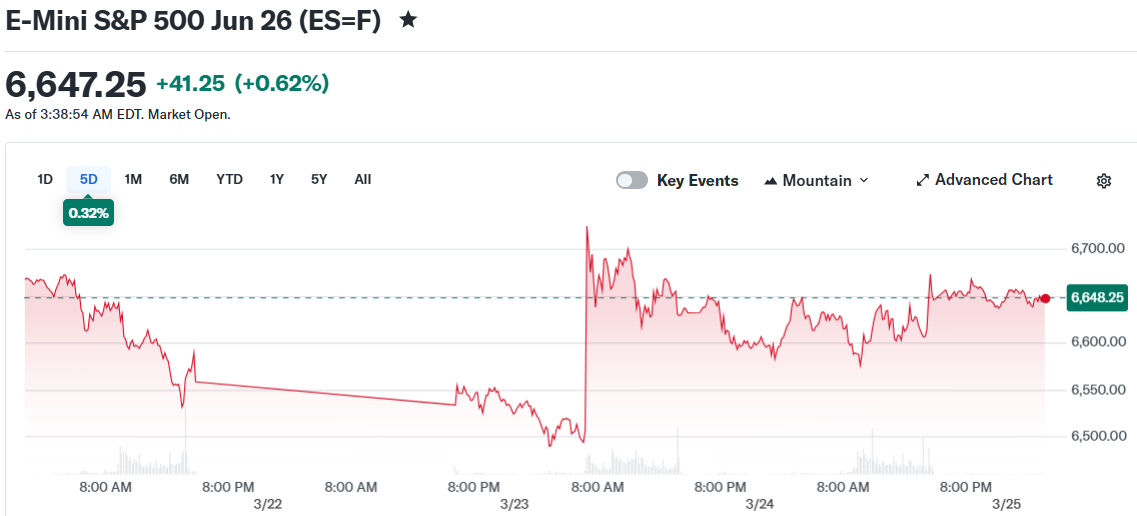
The moves reflect cautious optimism that a deal could reduce pressure on energy markets. Iran’s control over the Strait of Hormuz has been a key concern, with the country now charging transit fees of up to $2 million per voyage for some commercial vessels.

Fuel and fertilizer prices have surged since the conflict began. Commercial tankers have been avoiding the strait, and Iranian attacks have damaged energy infrastructure in the region.
Iran Attacks Continue Overnight
Overnight, Saudi Arabia intercepted a drone in the east of the country. A strike on Kuwait set a fuel tank ablaze at its main airport. Iranian media reported more missiles were fired at Israel. No casualties were reported in any of the incidents.
The war began on Feb. 28 when the US and Israel struck Iran. More than 4,300 people have been killed since then. Around three-quarters of the deaths have been in Iran. Over 1,000 have died in Lebanon, where Israel is also fighting Hezbollah.
Israeli Prime Minister Benjamin Netanyahu has appointed confidant Ron Dermer to monitor the US-Iran negotiations and protect Israel’s interests. Israeli officials have said they will continue striking Iran for now.
Gulf states including Saudi Arabia and the UAE are reportedly considering joining the US-Israeli effort against Iran, but only if Iran attacks critical power or water infrastructure.
Trump envoys Steve Witkoff, Jared Kushner, and Secretary of State Marco Rubio are all involved in the negotiations. The White House did not respond to a request for comment on the 15-point document, which was first reported by the New York Times.
Considering a new stock? You may want to see what’s on our watchlist first.
Our team at Knockout Stocks follows top-performing analysts and market-moving trends to spot potential winners early. We’ve identified five stocks gaining quiet attention that could be worth watching now. Create your free account to unlock the full report and get ongoing stock insights.Get 3 Free Stock Ebooks
Discover top-performing stocks in AI, Crypto, and Technology with expert analysis.
- Top 10 AI Stocks - Leading AI companies
- Top 10 Crypto Stocks - Blockchain leaders
- Top 10 Tech Stocks - Tech giants



