





TLDR
- Buffett warns that following the crowd into hot assets often means arriving too late to profit
- Market corrections are normal — Buffett says Berkshire has dropped over 50% three times
- Missing just the 10 best market days can cut long-term returns by more than half
- Low-cost index funds are recommended for everyday investors to handle volatility
- Focus on long-term, solid investments rather than trendy or speculative ones
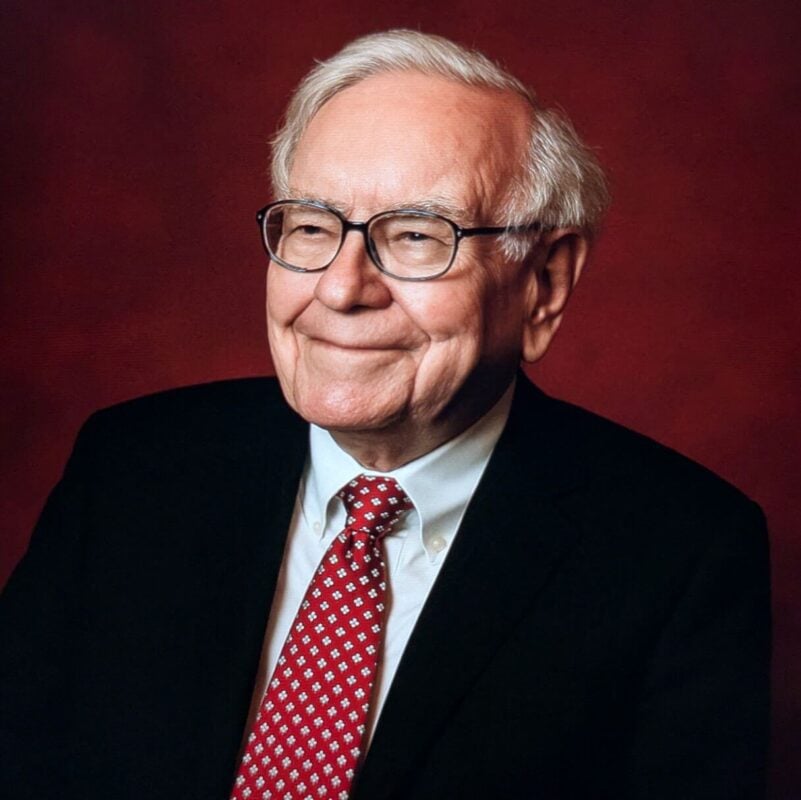
Warren Buffett recently spoke to CNBC about market volatility and what younger investors should do when markets drop. His advice is straightforward and based on decades of experience.
Buffett stepped down as CEO of Berkshire Hathaway at the end of last year. He is 95 years old. Despite retiring, he remains one of the most followed voices in investing.
In late March, the Dow Jones Industrial Average and Nasdaq Composite both entered correction territory. Concerns around the tech sector and geopolitics drove the moves.
Buffett was not alarmed. “Three times since I’ve taken over Berkshire, it’s gone down more than 50%,” he told CNBC. “This is nothing.”
One of Buffett’s most repeated warnings is about chasing popular investments too late. His quote — “What the wise do in the beginning, fools do in the end” — sums up the risk of buying into already-surging assets.
This played out during the dotcom bubble. By late 1999, investors were piling into internet stocks without checking the fundamentals. When the bubble burst, many of those companies went out of business.
It happened again with crypto. Early buyers who understood the asset made money. Those who bought at the peak because others were getting rich often sold at a loss when prices crashed.
The Cost of Selling Too Soon
Selling during a downturn can seriously hurt long-term returns. A $10,000 investment in the S&P 500 in 2006 would have grown to roughly $81,000 by the end of 2025 — if the investor stayed in the market.
Missing just the 10 best days during that period drops that figure to around $36,000, according to J.P. Morgan Asset Management.

Thomas Balcom, founder of 1650 Wealth Management in Florida, recently spoke with a 20-year-old whose portfolio had dropped about 10%. The student was considering selling his S&P 500 index fund.
After Balcom explained the portfolio was well diversified and the drop was short-term, the investor chose to stay put.
Diversification and Long-Term Thinking
Buffett has long recommended low-cost, diversified index funds for everyday investors. Spreading money across many companies reduces the damage when one sector drops.
Balcom typically starts younger clients with the Schwab 1000 Index ETF, which tracks 1,000 of the largest U.S. companies and has an expense ratio of 0.03%.
Thomas Van Spankeren, chief investment officer of RISE Investments in Chicago, recently advised a client to move away from tech-heavy holdings. He recommended adding dividend stocks, small-cap stocks, and overseas exposure.
“Buy and hold is very important, but you also need to know what you own,” Van Spankeren said.
Buffett added that he is waiting to deploy cash — but only into businesses that are genuinely attractive and that he plans to hold long term, not for short-term gains.
Considering a new stock? You may want to see what’s on our watchlist first.
Our team at Knockout Stocks follows top-performing analysts and market-moving trends to spot potential winners early. We’ve identified five stocks gaining quiet attention that could be worth watching now. Create your free account to unlock the full report and get ongoing stock insights.Get 3 Free Stock Ebooks
Discover top-performing stocks in AI, Crypto, and Technology with expert analysis.
- Top 10 AI Stocks - Leading AI companies
- Top 10 Crypto Stocks - Blockchain leaders
- Top 10 Tech Stocks - Tech giants



