






A crypto exchange app that also offers profitable airdrops can be hard to find. Generally, airdrops require users to operate outside of the CEX space, often forcing them to interact with unknown protocols, wallets, and dApps. For many people, that’s too risky, which is why airdrops linked directly to trusted exchanges are in such high demand.
While many airdrops are project-led, several centralized exchanges (CEXs) now host and distribute airdrops directly to verified users.
These exchange-based airdrops have become far more trusted and easier to access than traditional ones that rely on self-custody wallets or third-party claim platforms.
Bitunix and Binance are among the leading names offering this type of airdrop. The reliability, transparency, and solid track records of these platforms make their airdrop campaigns much more attractive to users and airdrop farmers with lower risk tolerance.
Airdrops Explained: Is There Such a Thing as Free Crypto?
The idea of crypto airdrops does feel somewhat far-fetched. In a world where we are constantly told that nothing is free, the thought of valuable crypto tokens appearing in our wallets for no cost sounds overly optimistic at best. The truth is that airdrops aren’t exactly free, but they can, on some occasions, be profitable and require minimal effort from the user.
Airdrops are token distributions organized by crypto projects or exchanges to reward early supporters, attract new users, or boost community engagement.
There are several main types of airdrops:

- Standard airdrops: Free tokens sent automatically to eligible wallet holders.
- Task-based airdrops: Users complete actions such as social follows, trading, or staking to qualify.
- Exchange-based airdrops: Centralized exchanges distribute tokens directly to verified users’ wallets.
While often described as “free crypto,” airdrops typically require certain actions such as holding specific tokens, completing KYC, or maintaining an active trading account.
Despite these small requirements, airdrops remain a popular, low-risk entry point for discovering new crypto projects and earning extra rewards.
Exchange-Based Airdrops
Major exchanges like Bitunix, Binance, and OKX now host curated airdrop programs that make participation safer and simpler. Users don’t need to interact with risky smart contracts or share personal wallet data. These exchange-based airdrops typically promote new token listings, reward loyal traders, and encourage higher engagement within the platform’s ecosystem.
Bitunix Airdrop Opportunities
Bitunix regularly launches airdrop opportunities for both new and existing users. The airdrop campaigns are often tied to new token listings, referral programs, and trading competitions designed to reward active community participation. All users who have completed the Bitunix KYC process can generally participate in the airdrops.
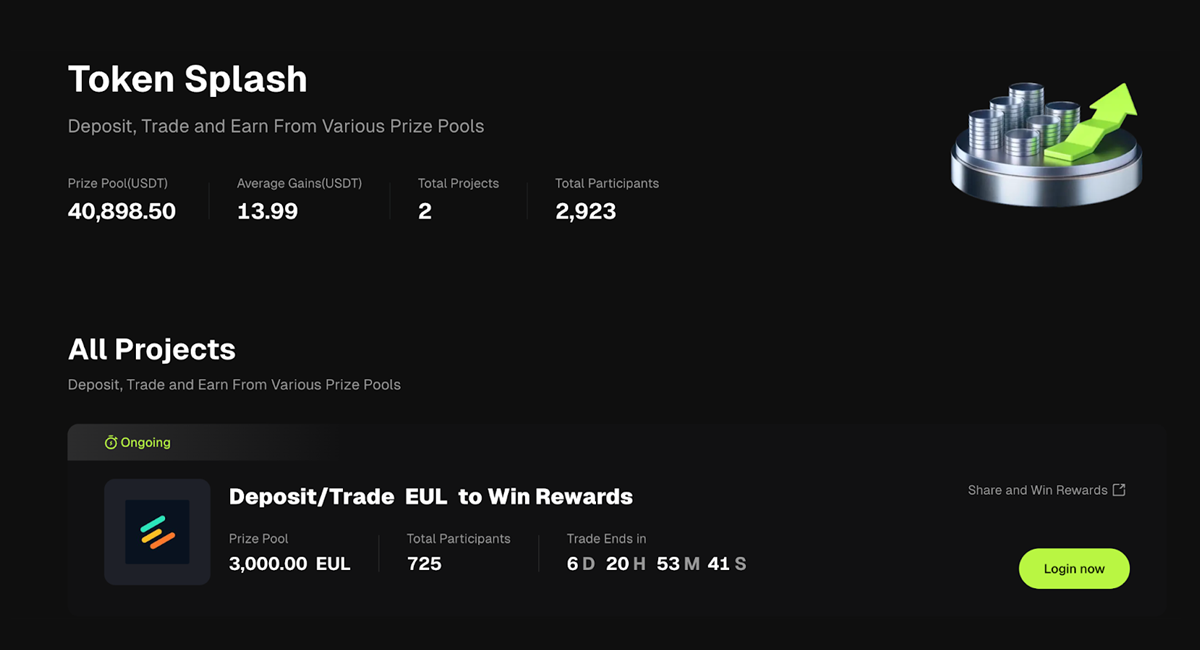
Users can check the Token Splash page on the Bitunix platform to find the latest airdrops, eligibility requirements, and step-by-step participation details.
Bitunix is known for its transparent airdrop rules, simple claim process, and large reward pools that often reach thousands of USDT in value. Currently, two airdrops are live, Deposit/Trade EUL to Win Rewards and Deposit/Trade KGEN to Win Rewards, with over 3,000 participants so far. Previous campaigns have attracted thousands more and distributed millions of tokens in rewards.
The exchange continues to build a strong reputation for fair, consistent, and frequent airdrop distributions among its global user base.
Traders appreciate Bitunix’s fast onboarding and user-friendly verification flow. Globally compliant and backed by a protection fund, the exchange delivers top-tier liquidity and its One Chart system, which unites tools for beginners and seasoned traders in one intuitive workspace.
 Binance Airdrop Opportunities
Arguably, the biggest CEX airdrops are launched by Binance, simply due to the size of its global trading community. Millions of traders rely on the platform for spot trading, and many join airdrops either actively or passively by trading token pairs that later qualify for rewards.
These events often feature early access to new projects, making Binance one of the most active exchanges for reliable and high-profile airdrops. Currently, two snapshot-based token airdrops are ongoing on Binance, with IOST and SNS tokens available to eligible users.
Is KYC Mandatory for Trading on Bitunix?
Yes. Bitunix prioritizes compliance through a strict KYC process that mirrors the standards of other leading exchanges. Verified accounts help maintain security, transparency, and adherence to international regulatory expectations.
Final Thoughts
Crypto airdrops should not be overlooked, even if they often sound too good to be true. While many campaigns have disappointed, a handful have been extremely profitable for early participants. Now that CEXs offer direct access to airdrops, users no longer need to engage with risky dApps or smart contracts to qualify for future rewards.


