





TLDR
- Powell said he will remain a Fed governor after May 15.
- His separate Fed governor term runs until January 2028.
- Kevin Warsh’s Fed chair nomination advanced in the Senate.
- Powell cited legal and political pressure on the Fed.
- The Fed held rates steady at 3.50%–3.75%.
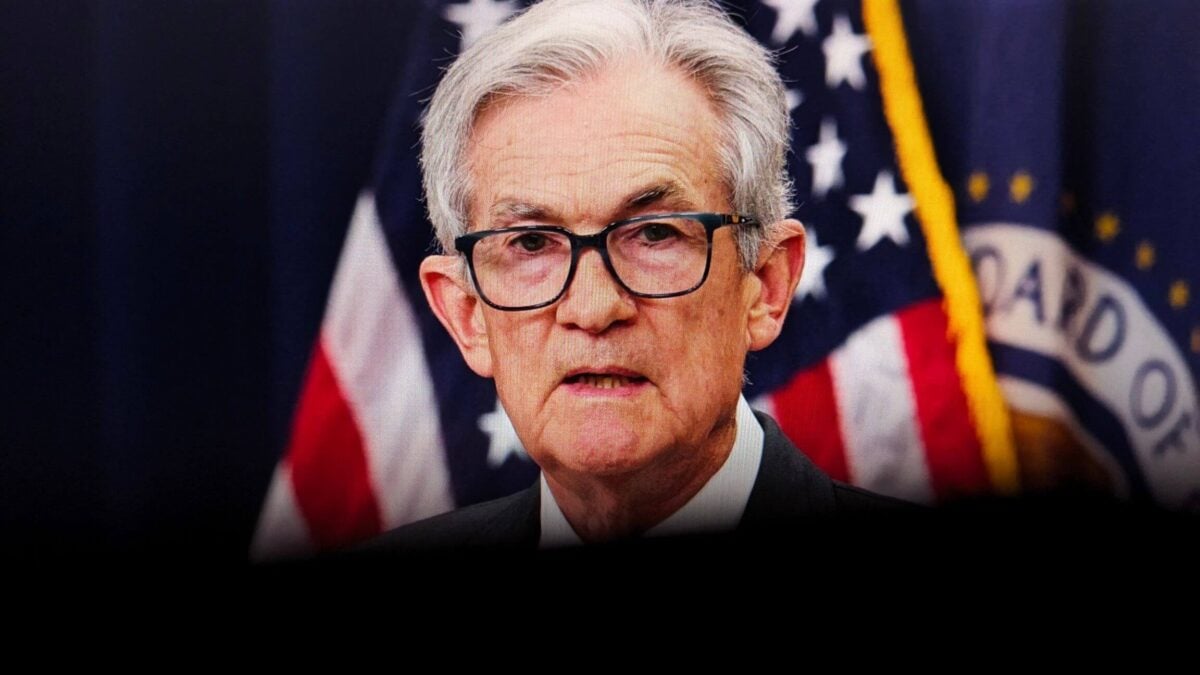
Jerome Powell said he will remain on the Federal Reserve Board as a governor after his term as chair ends on May 15, adding a new layer to the debate over central bank independence and future U.S. monetary policy.
According to reports, Powell made the statement after what was likely his final policy meeting as Fed chair. His separate term as a Fed governor runs until January 2028, giving him the option to stay involved in central bank decisions even after Kevin Warsh moves closer to replacing him as chair.
Powell said he does not intend to act as a high-profile dissenter. He said his decision is tied to concerns over recent legal and political pressure on the Federal Reserve.
Jerome Powell Cites Legal Pressure on Fed
Powell said recent attacks have put pressure on the institution and could affect the Fed’s ability to make monetary policy decisions without political influence. He said he wants to see the environment around the central bank calm down before deciding how long he remains as governor.
The Justice Department recently ended a criminal probe tied to cost overruns at the Fed’s Washington headquarters. Powell had previously described the investigation as connected to the administration’s frustration over interest rate policy.
Federal officials said the matter was being deferred to the Fed’s inspector general, though prosecutors left open the possibility of restarting the investigation if new facts emerge.
Powell said he was encouraged by recent developments but would continue watching the remaining steps in the process.

Kevin Warsh Nomination Moves Forward
Powell’s comments came as Kevin Warsh, President Donald Trump’s nominee to lead the Fed, advanced through the Senate Banking Committee. The full Senate is expected to vote before Powell’s chair term expires.
Warsh, a former Fed governor, has criticized the central bank and has supported lower interest rates, aligning more closely with Trump’s public calls for cuts.
If Powell had left the board entirely, Trump would have gained more influence over the Federal Reserve Board’s composition. Powell’s decision to stay keeps one experienced policy voice in place during the leadership transition.
Treasury Secretary Scott Bessent criticized Powell’s decision, saying it breaks with Fed norms and is unfair to other board members appointed by Republicans.
Crypto Market Watches Fed Credibility
Powell’s decision has also drawn attention from crypto market observers. Bitcoin has fallen from about $109,000 when former SEC Chair Gary Gensler left office in January 2025 to around $75,000, prompting debate over whether institutional credibility has affected investor confidence.
Analyst Benjamin Cowen said market participants lost faith in parts of the crypto industry after a wave of memecoin launches and weak accountability. He compared that shift to concerns over Powell’s exit as Fed chair, warning that markets may later view the leadership change as a turning point for Fed credibility.
When Gensler left the SEC in January 2025, Bitcoin was at 109k. Today Bitcoin is at 75k.
One major reason the crypto markets have suffered is because market participants started to lose faith in the industry itself.
After Gensler left, it essentially just opened the floodgates…
— Benjamin Cowen (@benjamincowen) April 29, 2026
The Fed held rates steady at 3.50% to 3.75% at Powell’s final meeting as chair. Inflation remains above target, oil prices are elevated, and policymakers remain divided over whether future moves should lean toward cuts or tighter policy.
Powell’s continued role as governor means he could still vote on policy and influence internal Fed debate. His presence may complicate efforts to deliver faster rate cuts if inflation remains high.


