






TLDR
- XRP is built mainly for payments and cross-border settlement, giving it a focused but narrow use case
- Solana supports DeFi, NFTs, gaming, stablecoins, and consumer apps, offering multiple growth paths
- Ripple’s large XRP holdings remain a concern for some investors watching long-term supply
- Solana has stronger developer activity, which often signals better long-term platform health
- Both carry risks, but Solana’s broader ecosystem gives it more ways to grow over time
XRP and Solana are two of the most talked-about cryptocurrencies among long-term investors. Both have large communities, real use cases, and room to grow. But they are built for very different purposes, and that matters when choosing where to put money for the next three to five years.
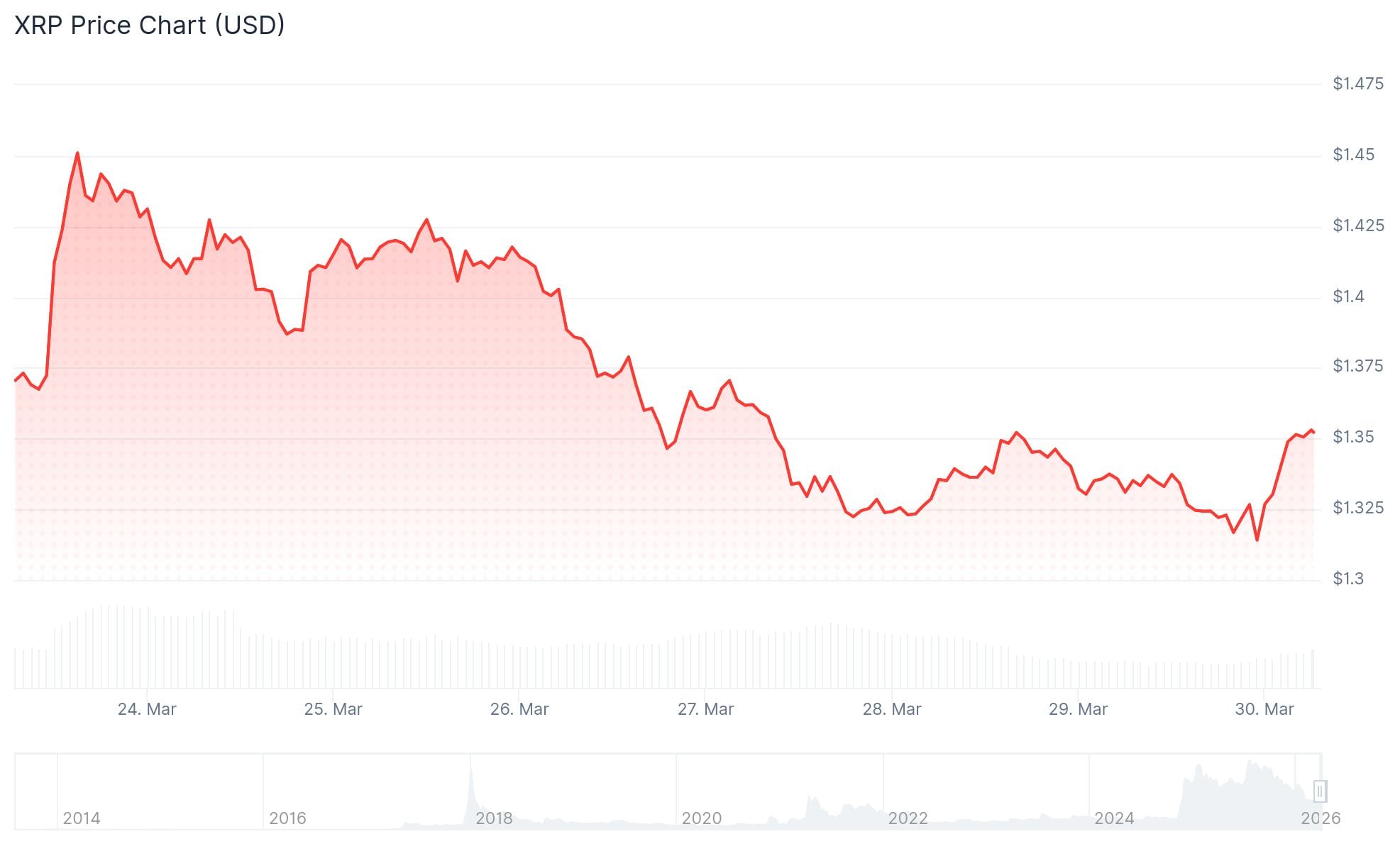
XRP was designed to move money quickly and cheaply across borders. Solana was built as a broad blockchain platform for apps, finance, trading, and digital assets. That core difference shapes everything else about how each project might perform over time.
XRP’s biggest strength is its clear purpose. Ripple has spent years building relationships with financial institutions and payment providers. That gives XRP a real business case in the world of cross-border finance.
If more banks and payment companies adopt blockchain-based settlement, XRP could benefit directly. That is a real possibility, and it is why many investors still hold it.
The downside is that XRP’s growth depends heavily on one lane. If adoption in payments moves slowly, returns may disappoint investors expecting faster gains.
Solana’s Broader Platform Advantage
Solana is not tied to one use case. It supports decentralized finance, stablecoins, NFT markets, gaming, consumer apps, and tokenized real-world assets.
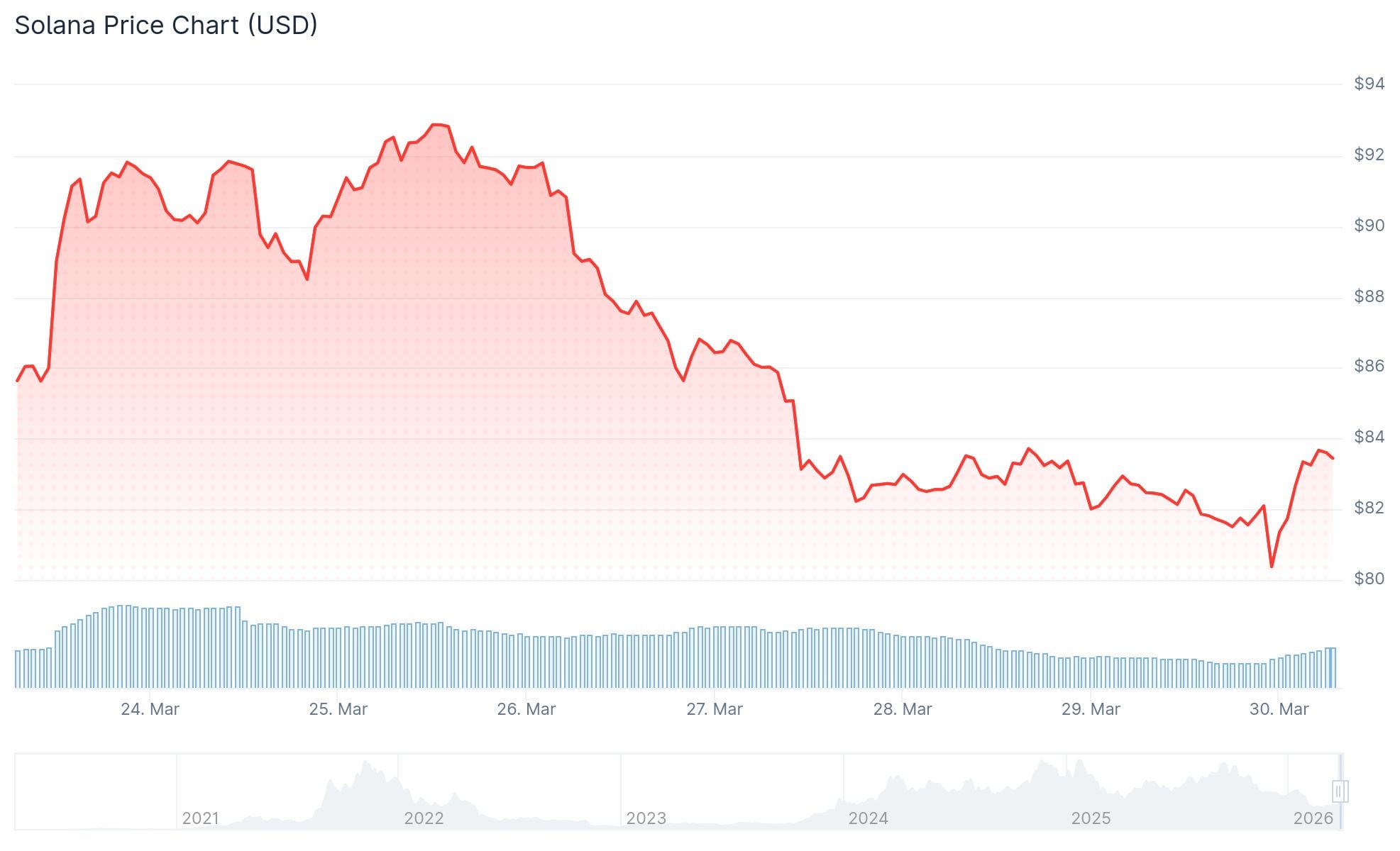
That means Solana has more than one path to growth. If one sector slows down, others can still drive demand for the network and its token.

Developer activity is another area where Solana stands out. Chains with more active builders tend to stay relevant longer, because developers create the products that attract users.
Strong developer interest is often seen as a leading indicator of long-term platform health. By that measure, Solana currently holds an edge over XRP.
Tokenomics and Risk
XRP’s supply model is straightforward. There is no mining inflation, and a small amount of XRP is burned with each transaction.
However, Ripple’s large XRP holdings remain a point of concern for some investors. That ongoing supply question can limit how confident some people feel about long-term price upside.
Solana does have inflation built into its token model. But that is partly offset by staking rewards and a growing on-chain economy.
If network usage keeps rising, demand for Solana can grow through fees and ecosystem activity. That gives its token model more support over time.
XRP’s risks center on enterprise adoption and regulatory clarity. Solana’s risks are more about execution and network reliability, which has been a concern in the past.
Solana recently continued expanding its ecosystem with new stablecoin integrations and consumer-focused applications, keeping developer momentum strong heading into 2025.
Final Thoughts
For long-term investors, Solana looks like the stronger platform bet. XRP still has value in payments and settlement, but Solana’s wider ecosystem gives it more room to grow.


