





TLDR
- Unilever is in talks to sell its food business to spice maker McCormick in an all-stock deal
- The food unit could be worth up to €29 billion (~$33 billion)
- A deal would leave Unilever focused purely on beauty, personal care, and home products
- McCormick’s market cap of ~$14.8 billion is dwarfed by the size of the potential deal
- An all-stock deal could close within weeks if talks hold
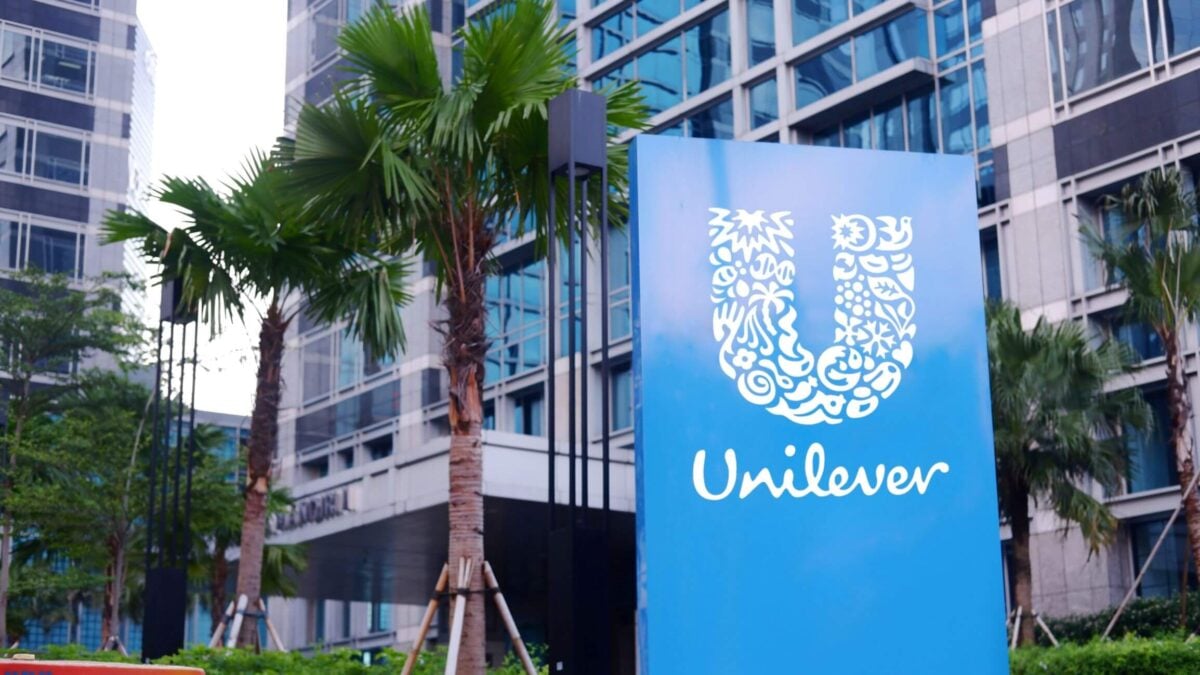
Unilever has confirmed it received an offer from McCormick to buy its food division, in what would be the largest deal in McCormick’s history. The talks were first reported by The Wall Street Journal on Thursday, with both companies confirming them Friday.
I guess Unilever is in talks with everyone
Unilever $UL is in talks to separate its food business and combine it with spice maker McCormick $MKC – WSJ https://t.co/uRlECEKSjq pic.twitter.com/toXge6M9Tr
— Evan (@StockMKTNewz) March 19, 2026
The food unit — home to Hellmann’s mayonnaise and Knorr stock cubes — carries a potential equity value of up to €29 billion ($33 billion). That’s more than double McCormick’s entire market cap of roughly $14.8 billion.
The proposed structure is an all-stock deal, according to people familiar with the matter. No financing details have been disclosed, and Unilever said there is no certainty a deal will be reached.
Unilever CEO Fernando Fernandez, now one year into the role, has been clear about the direction of travel. He wants beauty, personal care, and wellbeing brands to make up two-thirds of Unilever’s revenue in the medium term — up from around half today.
That shift has been building for years. Unilever has already offloaded its tea arm, its spreads division (which included I Can’t Believe It’s Not Butter!), and more recently snack brand Graze and The Vegetarian Butcher. Last year, it spun off its ice cream business into Magnum Ice Cream Co., keeping a nearly 20% stake.

Unilever stock rose as much as 1.9% in early trading Friday. It is still down nearly 6% over the past 12 months.
What McCormick Gets
For McCormick, this would be a transformational move. The Maryland-based company, best known for its red-capped spice tins and Old Bay seasoning, has been pushing into condiments for years.
Its biggest condiment play came in 2017 when it bought RB Foods from Reckitt Benckiser for $4.2 billion, picking up French’s mustard and Frank’s RedHot sauce. Combining that with Hellmann’s and Knorr would make McCormick a major global player in the condiment aisle.
McCormick is set to report its first-quarter results on March 31.
Analysts Flag Complexity
Not everyone is sold on the mechanics. Analyst Chris Beckett at Quilter Cheviot noted the “gap in scale” and McCormick’s current debt ratio of 2.7x, calling any deal “far from straightforward.”
Barclays analyst Warren Ackerman also flagged timing concerns, writing that while a food sale would free Unilever to chase faster growth, it “could be a distraction for management in the near-term.”
Activist investor Nelson Peltz, who joined Unilever’s board in 2022 after Trian Fund Management took a stake, has a history of pushing for corporate splits. He previously pushed for similar restructurings at General Electric and Dow/DuPont.
Bernstein analysts argued that the diversified conglomerate model that “largely made sense” in the 1990s no longer holds. “The benefits of scale across categories no longer outweigh the drawbacks of complexity,” analyst Callum Elliott wrote Friday.
McCormick is due to report Q1 results on March 31, its next major scheduled update since the deal talks became public.
Stop guessing and start investing with confidence. KnockoutStocks gives you the AI insights, market intelligence, and stock research you need to spot opportunities, cut through the noise, and make smarter investment decisions — all in one powerful platform.
Sign up today and get 50% OFF full access to our premium stock picks.
Simply use coupon code SPECIAL50 at checkout to claim your exclusive discount.
Get 3 Free Stock Ebooks
Discover top-performing stocks in AI, Crypto, and Technology with expert analysis.
- Top 10 AI Stocks - Leading AI companies
- Top 10 Crypto Stocks - Blockchain leaders
- Top 10 Tech Stocks - Tech giants



