





TLDR
- Frontier forecasts a Q2 loss of 45–60 cents per share, worse than the 43-cent analyst estimate
- Jet fuel costs jumped to $2.88/gallon in Q1 and are expected to hit $4.25/gallon in Q2
- The Iran war and Strait of Hormuz closure are driving fuel prices sharply higher
- Spirit Airlines collapsed last week under similar fuel pressure, removing Frontier’s biggest low-cost rival
- Frontier ended Q1 with $974 million in liquidity, expected to dip to $900–$950 million by end of Q2
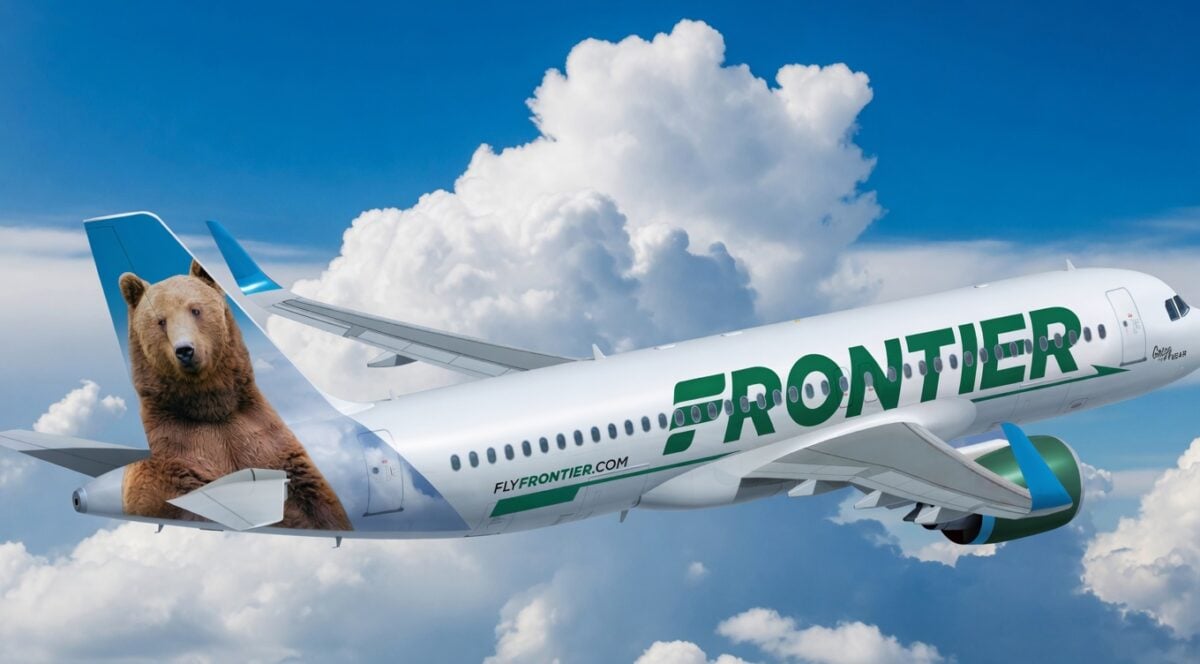
Frontier Airlines (ULCC) stock dropped 3.6% in premarket trading on Tuesday after the carrier warned its second-quarter loss will be larger than Wall Street expected.
Frontier Group Holdings, Inc., ULCC
The Denver-based airline forecast a Q2 loss of 45 to 60 cents per share. Analysts had been penciling in a loss of 43 cents.
Fuel is the problem. Frontier expects to pay $4.25 per gallon of jet fuel in the second quarter, up from $2.88 in Q1 — and well above the $2.50 it had originally budgeted before the conflict in Iran escalated.
Iran’s closure of the Strait of Hormuz has slashed global oil supplies, sending prices sharply higher across the airline industry.
Q1 results were actually better than feared. Frontier posted an adjusted loss of 30 cents per share, beating guidance of a 32–44 cent loss. Adjusted revenue hit nearly $1.1 billion — an all-time company record, up 17% year-over-year on slightly lower capacity.
Load factor came in at 78.4%, about four percentage points higher than the same period last year.

Fuel Costs Squeeze Margins
Low-cost carriers are feeling the fuel crunch harder than legacy airlines. They have fewer ways to offset rising costs — no business class cabins, fewer ancillary revenue streams, and tighter margins to begin with.
Fuel typically makes up around a quarter of airline operating costs. At $4.25 a gallon, that math gets painful fast.
One silver lining: Frontier says it generates 106 available seat miles per gallon, claiming a fuel efficiency advantage of over 40% compared to other major U.S. carriers. That gap may help cushion the blow if elevated prices persist.
Spirit’s Collapse Changes the Competitive Picture
Last week, Spirit Airlines shut down entirely after rising fuel costs wrecked its bankruptcy recovery plans. Spirit was Frontier’s closest low-cost competitor on dozens of leisure routes.
With Spirit gone, Frontier could see less price pressure and more room to fill seats at higher fares on those overlapping routes.
U.S. budget airlines, including Frontier, have pushed for $2.5 billion in government aid to offset fuel costs. Transportation Secretary Sean Duffy pushed back, saying carriers “have access to cash” and don’t need a bailout.
Frontier ended Q1 with $974 million in liquidity. It expects that figure to fall to between $900 million and $950 million by the end of Q2, supported by fleet-related moves and an anticipated extension of its co-brand credit card deal.
On the fleet side, Frontier deferred delivery of 69 Airbus aircraft and terminated leases on 24 A320neo planes early — a move that resulted in a $139 million non-recurring charge in Q1.
The company’s adjusted RASM, stage-length adjusted to 1,000 miles, rose 17% year-over-year in Q1 — a first-quarter record.
For Q2, Frontier expects RASM to climb more than 20% compared to the same period last year.
Stop guessing and start investing with confidence. KnockoutStocks gives you the AI insights, market intelligence, and stock research you need to spot opportunities, cut through the noise, and make smarter investment decisions — all in one powerful platform.
Sign up today and get 50% OFF full access to our premium stock picks.
Simply use coupon code SPECIAL50 at checkout to claim your exclusive discount.
Get 3 Free Stock Ebooks
Discover top-performing stocks in AI, Crypto, and Technology with expert analysis.
- Top 10 AI Stocks - Leading AI companies
- Top 10 Crypto Stocks - Blockchain leaders
- Top 10 Tech Stocks - Tech giants



