





TLDR
- The Senate has shelved the Clarity Act to focus on Trump nominations and a Russia sanctions bill
- A vote on the crypto bill is unlikely before next week, days before the August 8 recess
- Unresolved ethics rules — including limits on government officials backing crypto — remain a sticking point
- Odds of the Clarity Act passing in 2026 have dropped below 38%
- If the bill misses this window, the next chance may not come until September, or potentially 2027
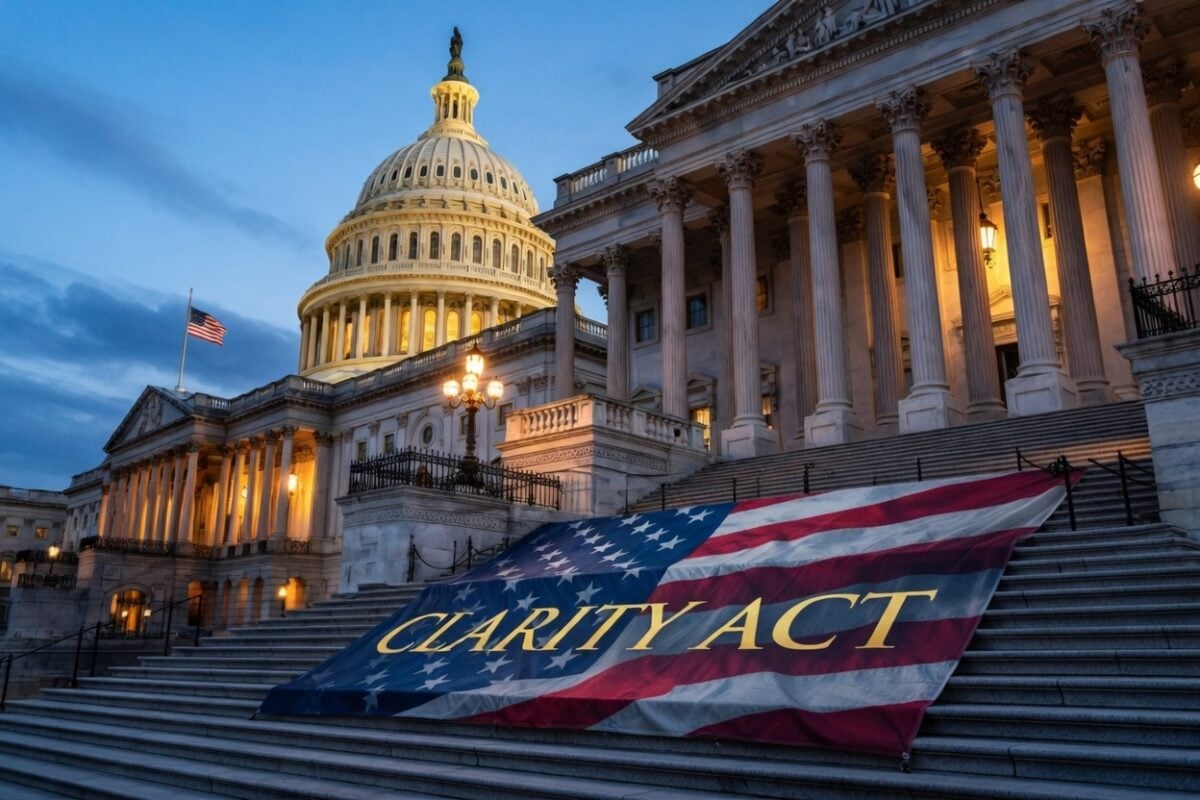
The U.S. Senate has pushed back action on the Digital Asset Market Clarity Act, choosing instead to focus on federal nominations and a Russia sanctions bill named after the late Senator Lindsey Graham.
🇺🇸JUST IN: The Senate has shelved the CLARITY Act to take up a Russia sanctions bill first, per CoinDesk.
Voting on the crypto bill is now unlikely before next week, leaving only the final days before the August 8 recess. pic.twitter.com/OY9B9I73Ej
— Coin Bureau (@coinbureau) July 28, 2026
Senate Majority Leader John Thune filed cloture on a package of 74 Trump nominations on Monday. On July 28, the Senate confirmed Jay Clayton as Director of National Intelligence, before moving to the Russia sanctions legislation. The bill would impose sanctions on Russian leadership and tariffs on trading partners.
Graham’s funeral this week also pulled the Senate’s attention to Washington and South Carolina on Tuesday and Wednesday, further eating into the available schedule.
Narrow Window Before August Recess
With the Senate set to begin its summer recess on August 8, the Clarity Act now has only a few days left to advance — and that window is shrinking fast.
A vote on the bill is considered unlikely before next week at the earliest. Senate procedures generally allow only one contested bill at a time, meaning the Russia legislation must clear first.
The Clarity Act has been on the Senate calendar since early June but has faced repeated delays. The main holdups have been disagreements over stablecoin yield rules and an ethics provision banning senior government officials, including President Trump, from backing crypto projects.

Last week, Trump agreed to accept language limiting his involvement in digital assets. But Democrats quickly said the restrictions did not go far enough, pointing to his active crypto businesses. Both sides said they would keep talking.
Opposition Grows From Multiple Directions
New York Attorney General Letitia James publicly urged Congress to reject the Clarity Act, saying it would weaken state and local law enforcement’s ability to fight crypto fraud.
Democratic senators have also pushed for state prosecutors to be able to enforce the ethics rules, not just the Department of Justice.
Despite support from major financial firms including BlackRock, Fidelity, Goldman Sachs, Charles Schwab, and Grayscale, the odds of passing the bill in 2026 have fallen below 38%, according to recent estimates.
Crypto industry advocates have warned that further delays could push the legislation into 2027. If the bill fails this session, the GENIUS Act for stablecoins and ongoing rulemaking at the SEC and CFTC remain the next best options for regulatory clarity.
The Senate and House both return in September for a few weeks, but floor time is limited. After the November elections, Congress enters a lame duck session, which can be unpredictable.
Even if the Senate passes the Clarity Act, it must return to the House for another vote before heading to Trump’s desk.


