





TLDR
-
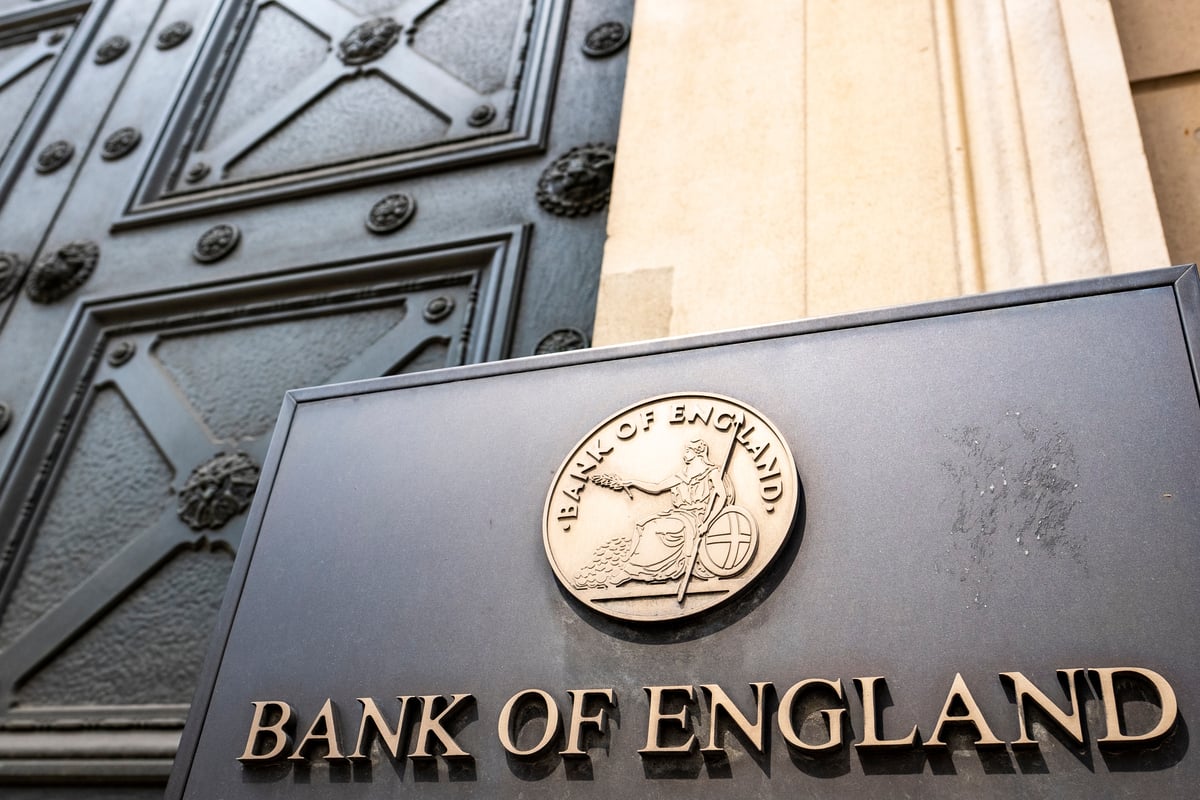
Bank of England tests stablecoin and digital pound payments with Polygon Labs.
-
Digital Pound Labs explores faster cross-border settlement for smaller firms.
-
Polygon Labs provides blockchain tools for stablecoin and smart contract tests.
-
NOBO and Dun & Bradstreet build reusable SME credit profiles for lenders globally.
-
Exporters may receive stablecoins while UK importers settle in digital pounds.
The Bank of England expanded Digital Pound Labs with a test linking stablecoins, digital pounds, and SME trade finance. NOBO Finance, Dun & Bradstreet, and Polygon Labs will test cross-border payment and credit tools inside the programme. The project will examine whether faster settlement and reusable business data can reduce financing friction for smaller companies.
Digital Pound Labs Expands Phase 2
Digital Pound Labs gives financial and technology firms a controlled environment for testing possible uses for a future digital pound. The platform supports wallets, online payments, QR transactions, conditional transfers, refunds, authentication tools, and other payment functions. It also provides smart-contract infrastructure for testing links between blockchain networks and the Bank’s demonstration ledger.
NOBO Finance completed Phase 1 with a conditional business escrow model for trade finance. Phase 2 adds Dun & Bradstreet’s commercial intelligence and Polygon Labs’ blockchain infrastructure to that framework. Together, the firms will test identity, credit assessment, smart contracts, and settlement across separate digital payment rails.
The Bank of England has not decided whether it will issue a retail digital pound. However, Digital Pound Labs lets participants test technical models before any final policy decision. The programme also supports research into how central bank money could operate beside regulated private digital money.
Stablecoin Rail Targets Export Finance
One Digital Pound Labs workstream will create a reusable financial profile for small and medium-sized businesses. NOBO will combine consented wallet activity, open finance data, and commercial information to produce a pre-qualified credit outcome. Dun & Bradstreet will provide business identity data and risk indicators that lenders use during assessments.
Polygon Labs will provide smart contracts for verification, consent management, and financing deal lifecycles. The model aims to let SMEs carry verified financial records between lenders, markets, and trade finance providers. This structure could reduce repeated checks and help companies present consistent information when seeking cross-border financing.
Digital Pound Labs will also test invoice factoring that uses an electronic bill of lading. Under that model, an exporter could receive an advance through a stablecoin payment before final settlement. Polygon’s Open Money Stack will support the stablecoin leg, wallet functions, and connections between digital payment systems.

Digital Pound Settlement Tests Importer Leg
The second payment leg will test whether a UK importer can settle the same trade using digital pounds. Digital Pound Labs will connect private stablecoin payments with simulated central bank money inside one transaction flow. The test will focus on interoperability rather than replacing one payment method with another.
The consortium targets a cross-border trade problem where settlement delays can restrict SME working capital. Manual checks and fragmented financial records can also slow financing decisions for smaller businesses. Faster settlement could reduce waiting periods, while verified business data could give lenders more consistent information.
The wider Digital Pound Labs programme forms part of the Bank of England’s research into future retail payments. The central bank has also examined tokenized deposits, regulated stablecoins, and tokenized financial infrastructure across the UK market. NOBO will coordinate trade finance, while Polygon supplies blockchain tools and Dun & Bradstreet contributes commercial data.


