





TLDR
- Unitree Robotics has fallen 44% since its August IPO on Shanghai’s STAR Market, wiping out around $30 billion in market value
- Beijing is reportedly planning tighter approval rules for humanoid robot companies seeking to list on mainland exchanges
- Companies including Deep Robotics and Leju Robot, which are still unprofitable, could be affected by the stricter rules
- Unitree’s first-half profit dropped 19% year-on-year, and revenue growth slowed sharply from over 300% in 2025 to 48%
- Analysts say Unitree’s valuation still trades at 347 times estimated earnings, far above the STAR Market average of 118 times
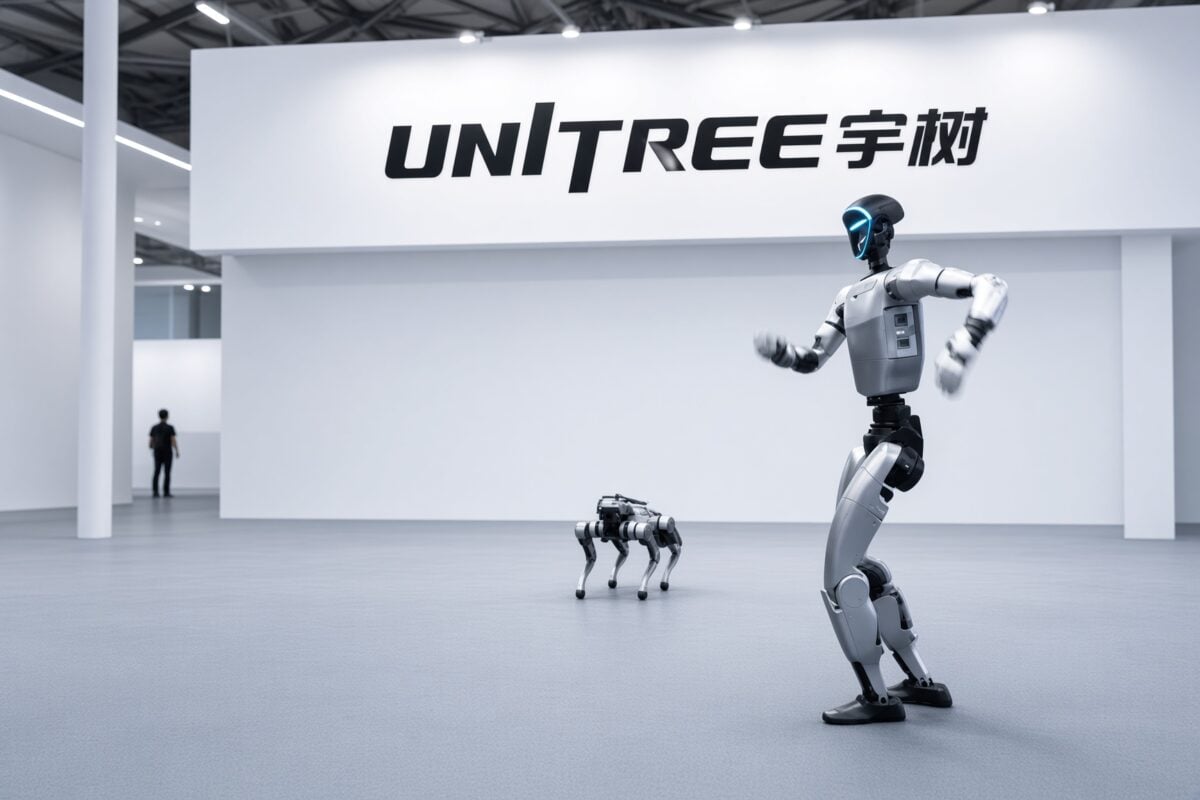
Unitree Robotics listed on Shanghai’s STAR Market on August 19 and surged 460% on its first day of trading. Investor excitement was high. The company had shipped more than 5,500 humanoid robots the previous year, ranking first globally.
Less than a month later, the picture looks very different.
The stock has fallen 44% from its peak, wiping out more than 200 billion yuan, or around $30 billion, in market value. The sharp drop has drawn attention from Chinese regulators and raised questions about the health of the broader humanoid robot sector.
Beijing is now said to be considering tighter rules for humanoid robot companies seeking IPOs on mainland exchanges. Reports suggest regulators will focus on revenue growth sustainability, earnings prospects, and genuine tech innovation capabilities.
The new rules could affect Deep Robotics and Leju Robot, both of which have filed for IPOs but remain unprofitable.
Fundamentals Under Pressure
Unitree’s own financials have been under pressure. First-half profit dropped 19% compared to the same period last year, when excluding extraordinary gains. Revenue growth also slowed sharply, falling from over 300% in 2025 to 48%.
The company is also heavily reliant on a narrow customer base. Around 70% of its robot applications are concentrated in research and education, leaving limited room for near-term commercial expansion.

Even after the selloff, Unitree still trades at 347 times estimated earnings. The STAR Market average is 118 times. The stock was trading at 469.80 yuan on Tuesday.
Kelvin Lau, an analyst at Daiwa Securities Group in Hong Kong, said the company’s fundamentals are not enough to justify the premium. He added that Unitree needs to increase spending on AI large models and broaden its customer base to stay competitive.
Peers Also Struggling
Leju Robot, which has filed to list on Shenzhen’s ChiNext board, reported a loss of 69.8 million yuan last year. That was its largest loss in three years.
Shenzhen Dobot said it expects its first-half loss to widen to as much as 120 million yuan due to rising costs. The Shenzhen exchange approved its stock sale in July.
Deep Robotics posted a profit last year, but said its profit margin may shrink in the first half due to falling product prices.
The struggles highlight a wider issue in the humanoid robot industry. Most companies are still working to convert early interest into actual commercial revenue. The ratio of industrial commercialisation remains low across the sector.
Tesla is still developing its Optimus humanoid robot, and the difficulties facing Chinese peers could give U.S. companies more time to catch up.
RBC Capital Markets has forecast a global addressable market for humanoids of $9 trillion by 2050, with China expected to account for more than 60% of that.
Stop guessing and start investing with confidence. KnockoutStocks gives you the AI insights, market intelligence, and stock research you need to spot opportunities, cut through the noise, and make smarter investment decisions — all in one powerful platform.
Sign up today and get 50% OFF full access to our premium stock picks.
Simply use coupon code SPECIAL50 at checkout to claim your exclusive discount.
Get 3 Free Stock Ebooks
Discover top-performing stocks in AI, Crypto, and Technology with expert analysis.
- Top 10 AI Stocks - Leading AI companies
- Top 10 Crypto Stocks - Blockchain leaders
- Top 10 Tech Stocks - Tech giants



