





TLDR
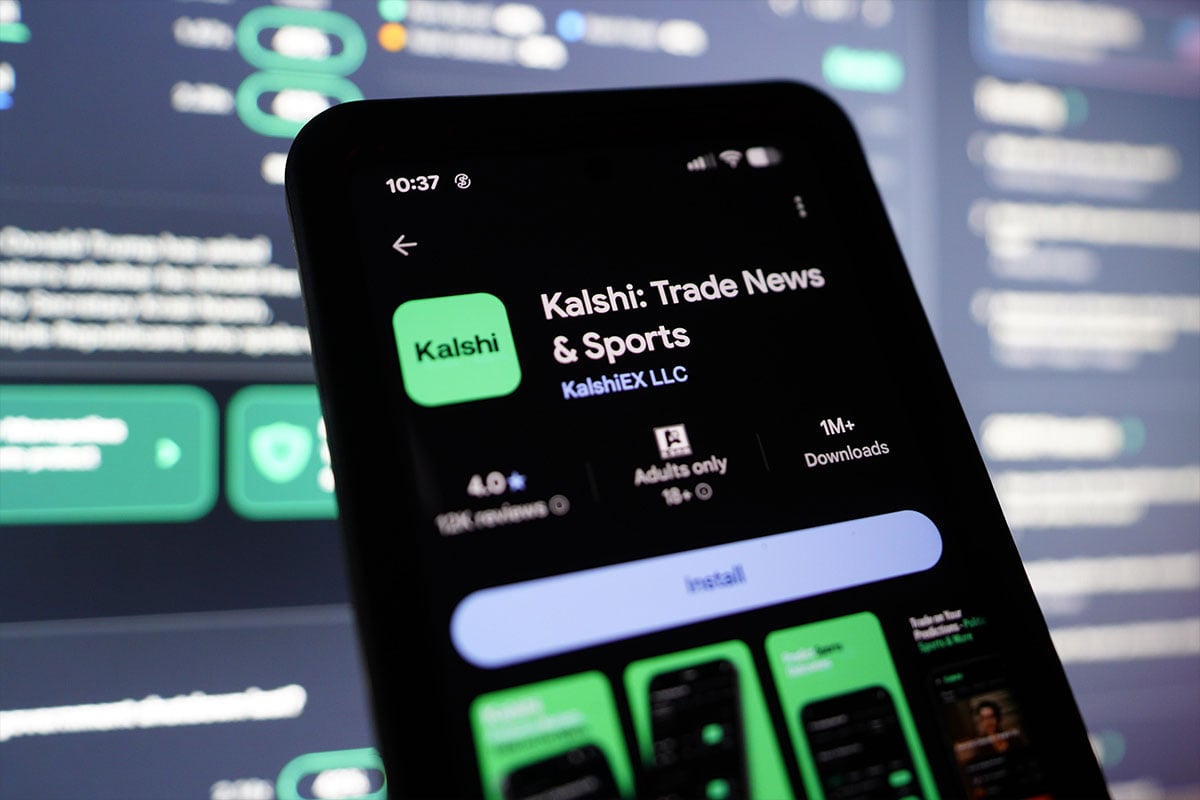
- Kalshi plans to seek approval for about 60 perpetual futures linked to U.S. stocks and ETFs.
- Proposed contracts could include Tesla, Apple, and Nvidia and trade around the clock.
- The CFTC approved Kalshi’s Bitcoin perpetual contract in May but called for case-by-case reviews.
- Citadel Securities argues equity-linked perpetuals should remain under SEC oversight.
- Regulators face questions around insider trading, surveillance, trading halts, and cross-market coordination.
Kalshi is preparing to seek U.S. regulatory approval for perpetual futures tied to major stocks and exchange-traded funds. The plan could bring a popular crypto trading product into traditional equity markets.
The prediction marketplace plans to offer about 60 contracts, according to The Wall Street Journal. They could include companies such as Tesla, Apple, and Nvidia. Unlike regular stock trading, the proposed contracts could trade around the clock without expiration dates.
Kalshi Targets 24/7 Trading for U.S. Stocks
Perpetual futures allow traders to take positions on whether an asset will rise or fall. The contracts have no fixed expiration date. Payments between traders help keep their prices close to the assets they track.
Crypto exchanges have offered these products for years. Kalshi now wants to apply that structure to U.S. stocks. A Tesla perpetual contract, for example, could continue trading overnight and during weekends when Nasdaq is closed.
That setup could provide a continuous market price for major companies outside normal stock trading hours. However, the plan faces questions over which U.S. regulator should oversee equity-linked perpetual contracts.
The Commodity Futures Trading Commission approved Kalshi’s Bitcoin perpetual contract in May. The CFTC classified the product as a futures contract but said the same approach may not suit every asset class.
The regulator also said perpetual contracts linked to other assets may require individual reviews. That position could become important as Kalshi seeks approval for contracts based on stocks and ETFs.

The Securities and Exchange Commission regulates U.S. public shares. This creates a regulatory question because the proposed products would track securities while operating as futures contracts under a separate framework.
Citadel Warns About Parallel Stock Markets
Citadel Securities raised concerns in a letter sent to the SEC and CFTC. The trading firm argued that products tied to public companies should remain under SEC oversight.
Citadel warned that moving equity-linked contracts outside that framework could create a separate market with different surveillance systems. Current SEC rules connect oversight across stocks, options, and related markets.
The firm also raised concerns about insider trading and trading halts. Someone holding private company information could potentially trade a perpetual contract while the underlying stock market remains closed.
Trading halts could create another challenge. A company may release market-moving information while its shares remain halted, yet an equity perpetual contract could continue trading without coordinated rules.
Kalshi’s proposal therefore brings crypto-style 24/7 trading into a market built around fixed trading sessions. Regulatory approval will determine whether single-stock perpetual futures can operate within the existing U.S. market structure.
Stop guessing and start investing with confidence. KnockoutStocks gives you the AI insights, market intelligence, and stock research you need to spot opportunities, cut through the noise, and make smarter investment decisions — all in one powerful platform.
Sign up today and get 50% OFF full access to our premium stock picks.
Simply use coupon code SPECIAL50 at checkout to claim your exclusive discount.
Get 3 Free Stock Ebooks
Discover top-performing stocks in AI, Crypto, and Technology with expert analysis.
- Top 10 AI Stocks - Leading AI companies
- Top 10 Crypto Stocks - Blockchain leaders
- Top 10 Tech Stocks - Tech giants



