





It’s no secret that the Chinese aren’t Google’s biggest fans. In fact, there are plenty of internet giants blocked out of the Chinese market under their strict censorship policies. Curious, then, that the biggest backers of ex-Google employee’s blockchain startup Atlas Protocol are Chinese — more specifically, Baidu. Why?
A Bid to Bring Down Google?
If you’ve been in the industry long enough, you’ll have heard current infrastructures and business models being referred to as “broken.” One of the biggest places that gets a regular bashing is the internet. Its online advertising model is invasive and fails to satisfy users or advertisers.
That four-letter word DATA has been thrust into the limelight through very high profile leakages and scandals all the way from Equifax to Facebook and Cambridge Analytica. And since Google makes its money from selling our data to advertisers, people are starting to become more aware.
In fact, it’s going one whole step further. Not only are we starting to realize the volume of transactions in our personal information going on behind our backs, but we’re starting to realize its worth. And we learned the old lesson the hard way — there’s no such thing as a free lunch. Or as Mainframe CEO Mick Hagen put it, “normal consumers are starting to wake up to the fact that if they’re not paying for the product, they are the product.”

With acts like the GDPR further emphasizing the need to be more careful about the details and policies we consent to, the public is becoming better educated. People are flocking from Facebook in droves–and with reason. But, can a small blockchain startup in a David and Goliath type situation actually take on Google and win? Can Atlas Protocol really provide transparency regarding data usage?
A Look at Atlas Protocol
With a team led by the head of Nebulas Labs and former Senior Software Engineer at Google HQ, a CTO instrumental in improving Google Play quality and launching Play Books, and an Engineering Lead who worked at the European Organization for Nuclear Research, this is one company with an enviable skill set.
Based in China, is it really possible that Atlas Protocol with the backing of Baidu and Japan’s multinational holding conglomerate SoftBank could take on the world’s biggest search engine and win? Even as China increases its investments in blockchain, it’s certainly a lofty goal. But the team at Atlas isn’t messing around. And they’re armed with inside information on Google’s practices and protocols.

What Is the Atlas Protocol Gripe with Google?
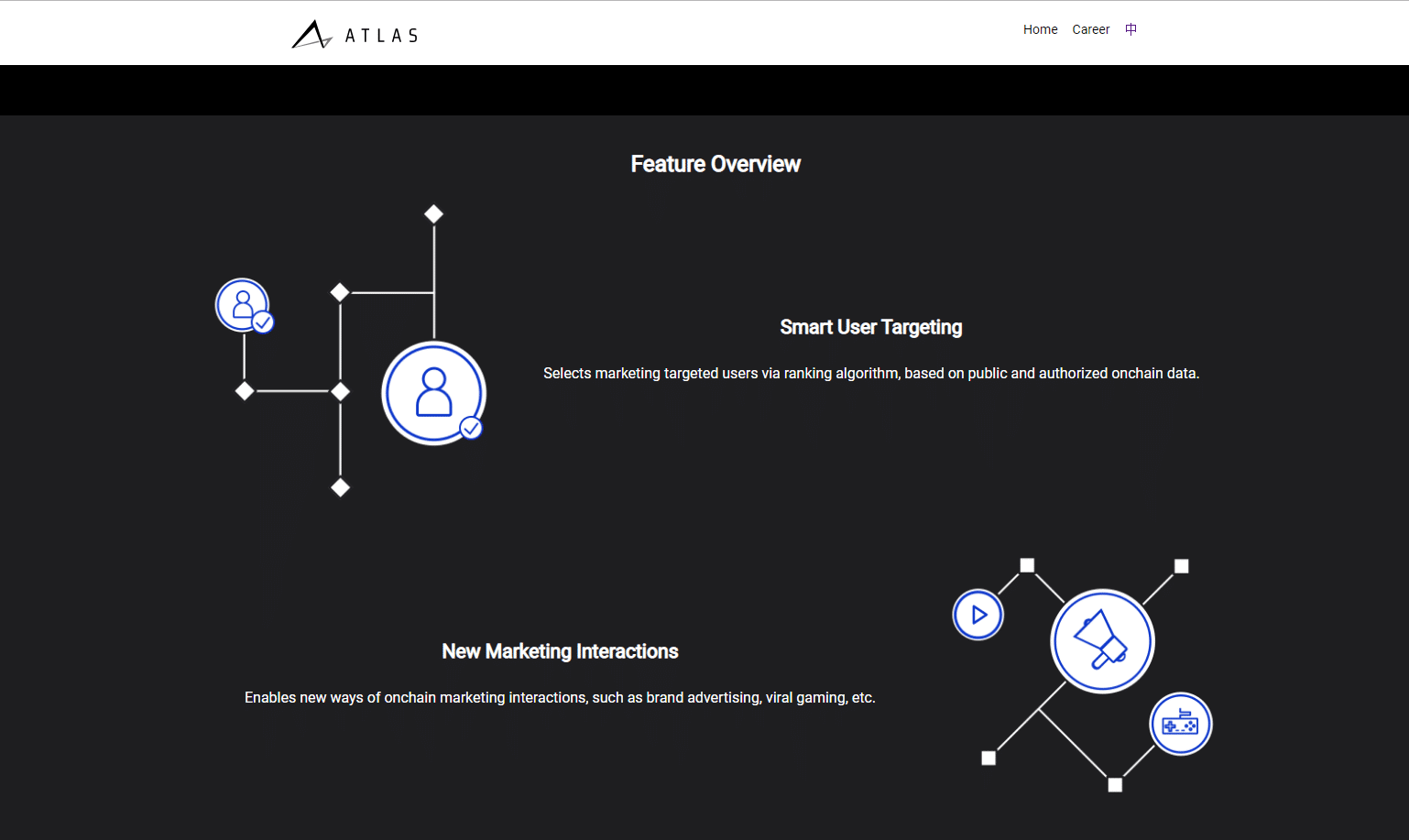
To be clear, Atlas Protocol isn’t saying that they don’t collect user data. However, unlike Google and other large internet companies, they’re transparent about it. And they use blockchain tech to do so. This satisfies users in the sense that they know how their private data is being used. And it also allows advertisers to market more efficiently to them.
If this sounds similar to what’s already happening — especially for internet users in Europe where, quite frankly, the GDPR seems to be a headache for companies and consumers all around —that’s because it is. And at the end of the day, consumers can’t help being their own worst enemies.
It’s noble that governments are trying to protect us from data misuse by requesting that we revise every single policy on all new websites we open. But most of us don’t have the time or inclination and just click through anyway. So how would it be any different on blockchain? And, in fact, could it even be worse if our data is immutable and visible by all?
Allowing Users to Control Their Own Data
Allowing users to control their own data. Now there’s a value prop we’ve heard before. Atlas Protocol is certainly not operating in a vacuum. Plenty of other companies have caught on to the value of data and the potential of blockchain to fix online advertising, content production, and sites like Facebook and YouTube. Simply off the top of the head AlphaNetworks, VideoCoin, Animo, and MetaX come to mind. And there are many more.
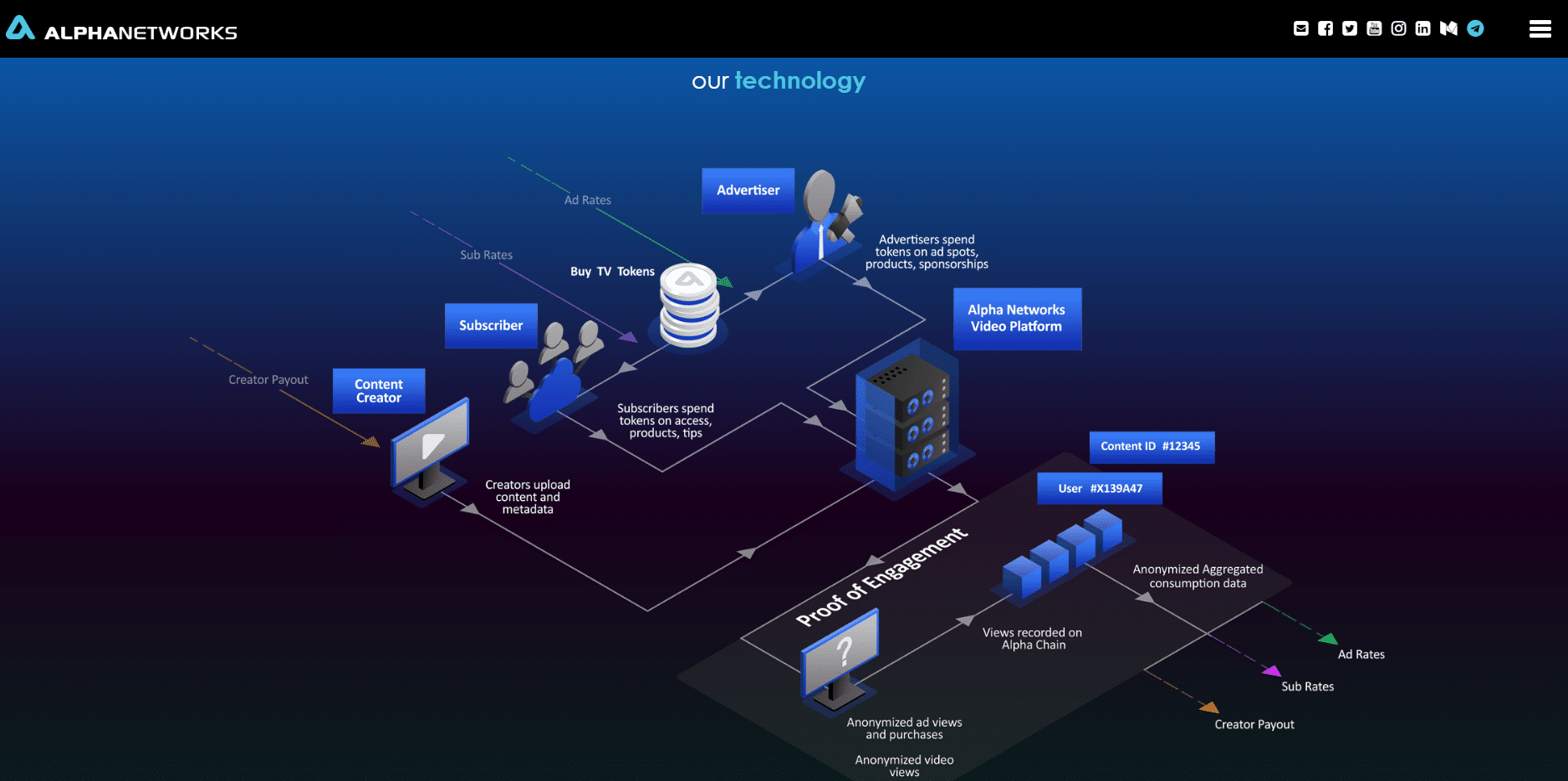
So how is Atlas Protocol any different? Well, it isn’t really. Users control their data and opt-in to share only the information they wish to. This fixes what Atlas Protocol describes as the “data black hole” caused by the “industry landscape dominated by digital giants”. You get the idea.
Users also get incentives from marketers for sharing their data, publishers produce better, more targeted content, value exchanges between marketers, publishers, users, and other members in the ecosystem improves, etc.
But is Atlas Protocol ahead in the game? Well, here are a few key advantages this startup has:
- Significant funding from large Chinese corporations
- An inside advantage of knowing Google’s playbook well
- The fact that Atlas was incubated by Nebulas (a top 100 blockchain protocol to make data more usable and discoverable)
- And a killer team with a dizzying list of accolades
They also have something else many other wannabes don’t, and that’s a completed proof-of-concept through building a Dapp on the Nebulus blockchain.
[thrive_leads id=’5219′]
Wrapping It Up
With many horses in the data transparency race, it’s not clear yet whether one will emerge the winner as the ultimate challenger to Google. Or whether we’ll see different data-based companies focusing on separate areas, such as advertisers, video content, entertainment, or corporations.
But one thing’s for sure, from Atlas Protocol to VideoCoin, you haven’t heard the last about blockchain being used to solve data abuse. The only question is, “When it will get going?”


