





TLDR
- CME CEO Terry Duffy said crypto perpetual futures are a disaster waiting to happen in the US market.
- He warned that high leverage in crypto perpetual futures can lead to rapid liquidations and heavy financial losses.
- The CFTC approved the first regulated crypto perpetual futures products on May 29.
- Kalshi launched Bitcoin perpetual futures and later introduced Ethereum perpetual futures after regulatory approval.
- Products linked to Solana and Dogecoin are currently under regulatory review in the United States.
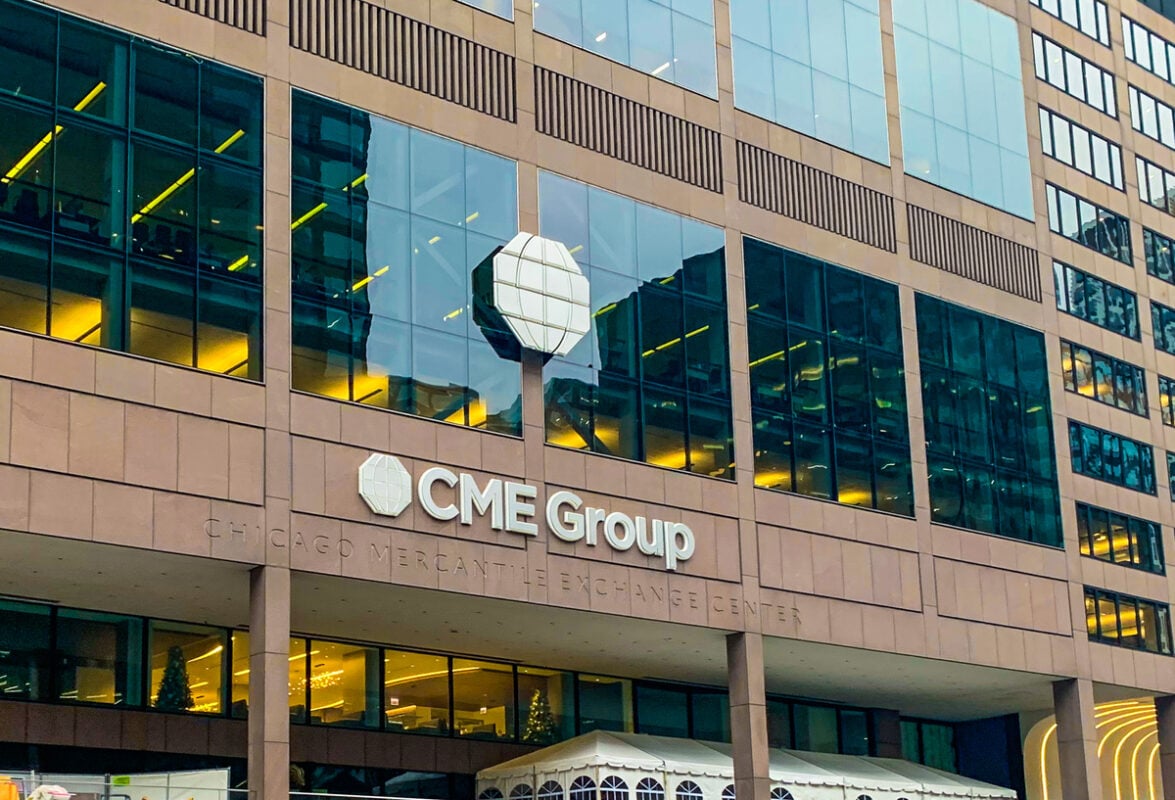
US regulators approved the first regulated crypto perpetual futures products for domestic trading, and market operators moved quickly to launch new contracts. CME Group Chief Executive Terry Duffy responded with sharp criticism during a public conference appearance. He said the new instruments create extreme leverage and could damage market stability.
CME Chief Flags Dangers Around Crypto Perpetual Futures
Terry Duffy addressed the issue at Piper Sandler’s Global Exchange and Fintech conference on June 4. He called crypto perpetual futures “a disaster waiting to happen” and questioned the approval decision. He argued that high leverage and open-ended exposure increase systemic risk.
He said speculation now drives many markets and reduces focus on price discovery and risk transfer. He stressed that regulators allowed products that enable leverage of up to 50x. He added that such leverage can erase capital quickly during sharp price swings.
Duffy focused on retail participation and product mechanics during his remarks. He said many traders may not understand funding rates and automatic liquidation rules. He warned that forced liquidations can occur rapidly when volatility spikes.
He stated that perpetual contracts differ from traditional futures because they lack expiration dates. He explained that traders can hold positions indefinitely and compound risk. He maintained that the structure invites excessive risk-taking.
Bitcoin and Ethereum Contracts Launch After CFTC Approval
The Commodity Futures Trading Commission approved the first regulated crypto perpetual futures products on May 29. The decision opened a segment that offshore platforms previously dominated. As a result, US-based firms began rolling out contracts.
Prediction market operator Kalshi launched Bitcoin perpetual futures soon after approval. The company then introduced Ethereum perpetual futures on June 4. These launches marked the first regulated perpetual crypto products available to US participants.

At the same time, other crypto perpetual futures tied to Solana and Dogecoin entered regulatory review. Regulators have not yet issued final decisions on those submissions. Market participants await further guidance from the agency.
Coinbase Financial Markets also received regulatory guidance tied to derivatives access. The guidance allows eligible US institutional clients to trade perpetual futures and options listed on Deribit. Coinbase acquired Deribit in 2025 to expand its derivatives footprint.
Duffy delivered his remarks after these regulatory developments became public. He reiterated that perpetual structures amplify leverage and extend exposure without time limits. He emphasized that rapid liquidations can occur when prices move sharply.
The CME chief concluded his comments by repeating his warning. He said crypto perpetual futures represent “a disaster waiting to happen” under current conditions. His statement came as new Bitcoin and Ethereum perpetual contracts began trading in the United States.


