





TLDR
- David Schwartz says early developers misjudged how multiple stablecoins would represent the U.S. dollar.
- Wallets often emphasize ticker symbols while giving less attention to the stablecoin issuer.
- Schwartz proposes global and user-defined tickers to simplify how digital dollars appear in wallets.
- Users could decide whether assets such as RLUSD, USDT, and USDC qualify as acceptable dollars.
- XRP Ledger trust lines already allow users to choose which issued assets they are willing to receive.
XRP Ledger architect and Ripple CTO Emeritus David Schwartz says developers misjudged how digital dollars would develop. That design choice now creates an interface problem for stablecoins, as wallets focus on ticker names instead of the companies that issue assets. Schwartz argues that this approach makes dollar payments harder for everyday users.
Stablecoins Expose a Design Assumption
Schwartz said developers originally expected every dollar-based token to use “USD” as its currency code. They assumed wallets could identify the issuer separately and map each asset to a ticker when needed. Under that model, the ledger did not require a unique ticker for every dollar token.
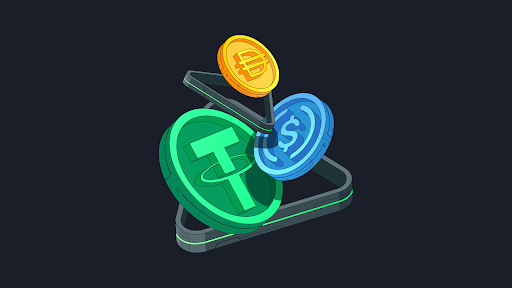
The market developed differently. USDT, USDC, RLUSD and other dollar-linked assets now use distinct names, even though each represents a form of digital dollar. Users must choose between tokens before sending or receiving funds, adding a step to payments that were meant to remain simple.
Schwartz Proposes Two Types of Tickers
Schwartz suggested separating asset labels into global and user-defined tickers. A global ticker could describe the underlying asset, such as USD. A user-defined ticker could then reflect which issuers a recipient accepts when receiving that currency.
Maybe the right answer is that you need two kinds of tickers, one that's global and one that's user defined. I am willing to accept RLUSD, USDT, or USDC as USD. Others may define USD differently.
— David 'JoelKatz' Schwartz (@JoelKatz) September 14, 2026
Under this approach, one user could treat RLUSD, USDT, and USDC as acceptable versions of USD. Another user or business could accept a smaller group of issuers. The recipient would set those preferences rather than forcing every sender to understand each stablecoin brand before making a payment.
XRPL Trust Lines Already Set Acceptance Rules
The XRP Ledger already uses trust lines to let accounts choose which issued assets they will accept. Users can specify both the currency and issuer, giving them control over which balances can enter their accounts. This system can support different trust choices without treating every dollar-linked token as identical.

Schwartz said the remaining problem sits mainly at the wallet interface level. Many wallets display short ticker symbols while giving issuer identity less attention. That format can make stablecoins appear separate even when recipients view several tokens as acceptable dollars.
His proposal would shift that choice to recipients and wallet software. Wallets would need to connect currency codes with approved issuers clearly. Schwartz argues that better handling of those relationships could make digital dollar payments easier to use and understand without changing XRPL’s core trust model.


