





TLDR
- Semiconductor stocks dropped ~10% last month, with Micron and Sandisk falling over 10% after Google launched TurboQuant
- TurboQuant claims to reduce AI memory needs by 6x, sparking fears about memory demand
- Morgan Stanley says the selloff is healthy, not a sign of deeper trouble
- Memory is now the key bottleneck in AI growth, not just GPUs
- Morgan Stanley keeps Overweight ratings on Micron and Sandisk with price targets of $520 and $690
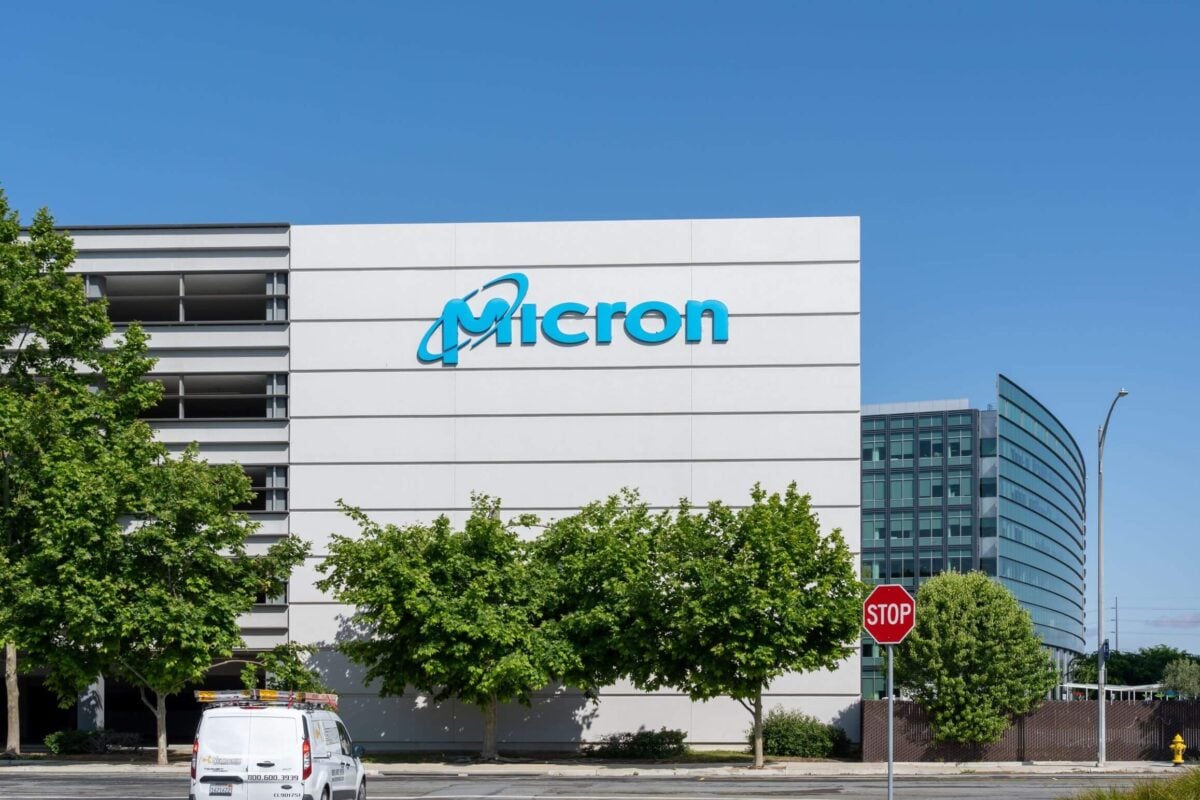
Morgan Stanley is standing behind memory chip stocks after a sharp selloff rattled investors in late March.
The iShares Semiconductor ETF dropped roughly 10% over the past month. Concerns over valuations, demand trends, and new AI technology all played a role.
On March 24, Google rolled out a new compression method called TurboQuant. The tool claims to reduce the memory needed to run AI models by up to six times. That spooked investors.
Micron and Sandisk both fell more than 10% in the days following the news. Micron closed at $357 on March 27, despite still being up 25% year-to-date.
Morgan Stanley analyst Joseph Moore pushed back on the panic in a research note sent on March 26.
Moore reiterated Overweight ratings on both Micron and Sandisk. Price targets remain at $520 and $690, respectively.

He said the selloff reflects “a healthy pricing in of durability concerns” rather than a real shift in demand. The bank says the strength of memory companies is “more durable than the market thinks.”
Memory, Not GPUs, Is Now the AI Bottleneck
For the past two years, Nvidia’s GPUs got most of the attention as the key driver of AI infrastructure spending. That is still true, but Morgan Stanley says memory has become the limiting factor.
“Memory is a bottleneck, increasingly the bottleneck, to AI builds,” the analysts wrote. They noted that customers are now prepaying for large volume deals, a sign of how tight supply has become.
DRAM slack is now gone, according to Moore. “Everywhere we look we see indications that it is a true bottleneck,” he wrote.
AI’s share of semiconductor spending could be “well north of 50%,” the bank said. Rising supply is unlikely to keep pace with that level of demand.
What Morgan Stanley Says About TurboQuant
Morgan Stanley addressed Google’s TurboQuant directly, saying the market misread the impact.
The compression method only applies to KV Cache memory, not overall memory usage. “They are just talking about KV Cache memory, not memory overall,” the firm said.
KV Cache is typically stored in high-bandwidth memory, a specific and limited type. Morgan Stanley called TurboQuant “normal course productivity improvement,” not a demand-destroying development.
The bank does not expect gross margins near 81% to hold forever. But it sees little reason for them to fall soon.
Morgan Stanley also flagged strong potential for free cash flow generation from memory companies. The firm concluded that “duration is all that matters,” and on that measure, indicators “all appear positive.”
Micron and Sandisk maintained their Overweight ratings as of March 26, 2026.
Stop guessing and start investing with confidence. KnockoutStocks gives you the AI insights, market intelligence, and stock research you need to spot opportunities, cut through the noise, and make smarter investment decisions — all in one powerful platform.
Sign up today and get 50% OFF full access to our premium stock picks.
Simply use coupon code SPECIAL50 at checkout to claim your exclusive discount.
Get 3 Free Stock Ebooks
Discover top-performing stocks in AI, Crypto, and Technology with expert analysis.
- Top 10 AI Stocks - Leading AI companies
- Top 10 Crypto Stocks - Blockchain leaders
- Top 10 Tech Stocks - Tech giants



