





TLDR
- David Schwartz says XRP utility is growing as XRPL supports wider tokenized finance tools today.
- XRPL’s new focus includes tokenized stocks, funds, repos, and loans beyond payment settlement.
- Real-world asset adoption will depend on issuers, liquidity, compliance, and institutional market participation.
- XRP demand may rely on practical ledger usage rather than broader community expectations alone.
- Tokenized finance tools could widen XRPL’s role across regulated markets and digital asset infrastructure.
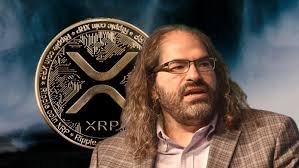
Ripple CTO emeritus David Schwartz has said XRP’s utility is expanding as the XRP Ledger adds support for tokenized finance products, including stocks, funds, repos, and loans. The comments reflect a broader discussion around the network’s role beyond cross-border payments, which has been one of XRP’s most recognized use cases for several years.
The XRP Ledger, often referred to as XRPL, has been positioned by its community and related developers as infrastructure for fast settlement, asset issuance, and financial transactions. The addition of tokenized financial instruments would place the network within the wider market for real-world asset tokenization, a sector focused on representing traditional assets on blockchain-based systems.
XRP Ledger Expands Beyond Payment Settlement
The latest discussion around XRPL centers on whether its infrastructure can support more complex financial products in addition to payment transfers. Tokenized stocks, investment funds, repurchase agreements, and loans would represent a wider range of assets and contracts than simple value movement between accounts.
Supporters of tokenization argue that blockchain networks can offer faster settlement, programmable asset management, and broader market access, although adoption depends on regulatory approval, issuer participation, liquidity, and institutional trust. In that context, the XRP Ledger’s technical readiness does not by itself guarantee market usage, since financial firms, custodians, compliance providers, and investors must also take part.
LATEST: ⚡️ Ripple CTO emeritus David Schwartz says XRP utility is expanding beyond payments as the XRP Ledger adds support for tokenized stocks, funds, repos, and loans. pic.twitter.com/9hsZrVOlxQ
— CoinMarketCap (@CoinMarketCap) June 8, 2026
Schwartz’s remarks place XRP within a changing conversation about blockchain utility. Instead of focusing only on remittances or cross-border transfers, the discussion now includes financial products that are commonly used by banks, asset managers, and capital markets participants.
Tokenized Assets Become A Core Focus
Real-world asset tokenization has become an active area across the digital asset industry, with several networks seeking to host tokenized versions of securities, credit products, and fund units. For XRPL, adding support for these assets could expand the range of activity conducted on the ledger, particularly where issuers require settlement, asset tracking, and transfer controls.

The central question remains whether these tools will attract broad use outside existing XRP supporters. Market adoption would require clear legal structures, reliable pricing, strong custody arrangements, and compliance systems that meet financial industry standards.
Repos and loans also bring additional requirements because they involve collateral, repayment terms, and counterparty risk. Tokenized versions of those products would need transparent rules and operational safeguards before they could be used at scale by regulated entities.
Adoption Remains The Main Test
The development of tokenized finance tools on XRPL may broaden the network’s use cases, but the market response will determine whether the effort moves beyond narrative. Real activity would likely be measured through issued assets, transaction volumes, institutional participation, and demand from users seeking blockchain-based financial rails.
XRP’s role within this model may vary depending on how tokenized assets are issued and traded on the ledger. The asset could remain relevant for liquidity, transaction costs, and settlement activity, but demand would depend on actual usage rather than technical availability alone.
Schwartz’s comments add to ongoing attention around XRP and XRPL as digital asset networks compete to serve tokenized real-world asset markets. The next phase for the ledger will depend on whether its expanding toolset can attract issuers, financial institutions, and users who require reliable infrastructure for tokenized stocks, funds, repos, and loans.


