





TLDR
- Patrick Witt says he remains optimistic the CLARITY Act can become law.
- The Senate is scheduled to hold a cloture vote on September 15.
- Prediction markets place 2026 passage odds near 23%.
- Stablecoin reward rules remain a key point of disagreement.
- Trump is weighing a new ethics proposal tied to public officials’ crypto activity.
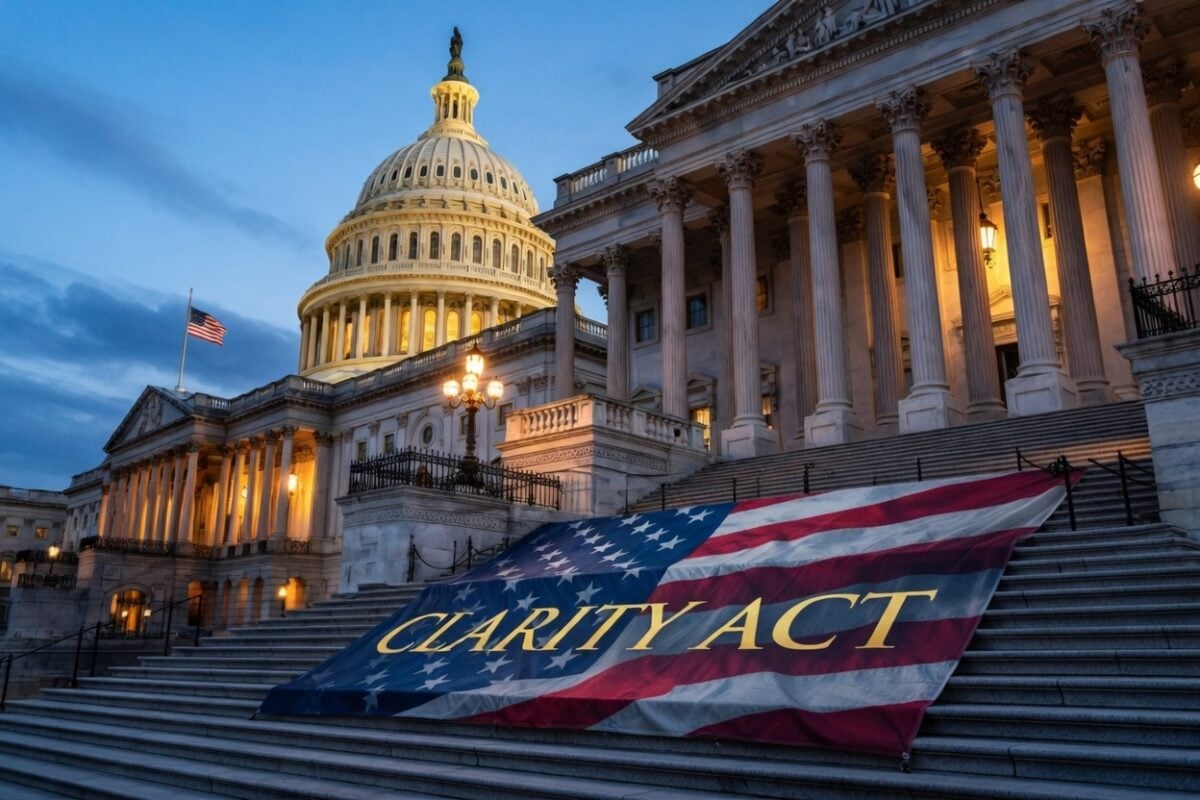
White House crypto adviser Patrick Witt says he remains optimistic that the CLARITY Act can become law as the Senate prepares for a September 15 procedural vote. The legislation still faces disputes over stablecoin rewards and ethics rules tied to President Donald Trump’s crypto interests.
Senate Majority Leader John Thune has scheduled a cloture vote for September 15 after lawmakers return from the August recess. Prediction-market traders currently place the probability of the CLARITY Act passing in 2026 at about 23%, showing that market expectations remain cautious despite the White House’s confidence.
Patrick Witt Targets Agreement Before September 15 Vote
Witt says White House officials plan to meet with Senate Democrats before the vote to address remaining disagreements. The more than 600-page CLARITY Act seeks to establish a broad federal regulatory structure for digital assets and define how different parts of the crypto market are supervised.
“We’ll be sitting down with Democrats and really trying to hash out the areas where there are disagreements and get a solid vote on the 15th,” Witt said during the SALT conference in Wyoming. He added that he remains “truly optimistic and bullish” about the legislation.
The September 15 vote would concern cloture on the bill rather than final passage. Clearing that procedural hurdle would allow the Senate to move toward debate and further votes, while unresolved provisions could still change before lawmakers consider a final version.
Senator Cynthia Lummis has also said the Senate will vote on the legislation on September 15. Lawmakers have a limited legislative window after returning from recess before leaving Washington again in October.
Stablecoin Yield Debate Returns to CLARITY Act Talks
Stablecoin rewards have returned as one of the main areas of disagreement. Earlier negotiations produced a compromise under which platforms could not pay rewards solely for holding stablecoins, while allowing certain incentives connected to transactions and payments.

Senate Banking Committee Chair Tim Scott says lawmakers must revisit the issue after believing it had already been resolved. “We thought it was all settled,” Scott said, adding that negotiators would have to address the dispute again before the legislation advances.
The stablecoin debate has placed crypto companies and traditional banks on opposing sides over how yield-bearing products should operate. The current negotiations will determine whether the earlier compromise survives in the Senate version of the market structure bill.
Separate discussions are continuing over ethics provisions involving public officials. Democrats have pushed for stronger restrictions related to Trump’s crypto interests as lawmakers negotiate the final terms needed to secure bipartisan support.
Trump Crypto Ethics Rules Remain Under Discussion
Trump has previously agreed to language that would prevent public officials, federal employees and their spouses from issuing or sponsoring digital assets. The provision would still allow them to invest in cryptocurrencies and would expire in January 2029.
The president is also considering another proposal from Senators Ruben Gallego and Thom Tillis that would allow state attorneys general to enforce the ethics restrictions. Lummis says Trump’s final position on that proposal remains uncertain.
SEC Chairman Paul Atkins is meanwhile continuing regulatory work under the agency’s existing authority while supporting congressional action. Atkins says the SEC expects the CLARITY Act eventually to reach the president’s desk, even as regulators move ahead with their own crypto rules.
The next formal test arrives on September 15, when senators are scheduled to consider cloture and determine whether the CLARITY Act can move toward full Senate debate.


