





TLDR
- China’s CXMT grabbed 10% of the DRAM market in Q2 2026, up from 4% a year ago
- Micron grew its DRAM share to 24% and NAND share to 15% in Q2 2026
- SK Hynix saw its DRAM share drop from 29% to 25% quarter over quarter
- Micron’s high-bandwidth memory capacity is fully sold out through 2026 via binding contracts
- Western Digital has 89% of revenue from enterprise and cloud, with HDD capacity allocated through 2028
China is taking a bigger slice of the global memory chip market. The latest data from Counterpoint Research shows Chinese firm CXMT now holds 10% of the DRAM market in Q2 2026, up from just 4% in the same quarter last year.
That growth is happening fast. CXMT held 8% in Q1 2026, so the jump is accelerating. Fellow Chinese chipmaker YMTC also holds 14% of the NAND flash market, up from 9% a year ago.
Micron Holds Its Ground
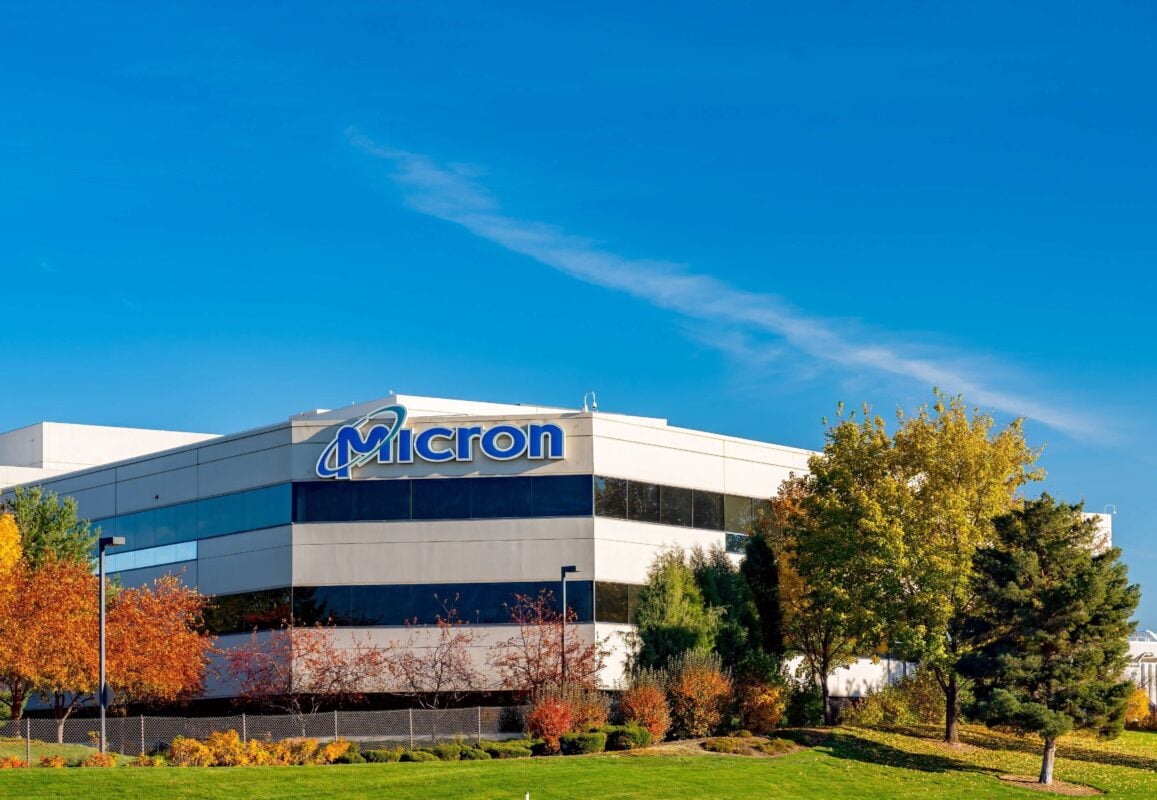
Micron has not been pushed aside. The U.S. company actually grew its DRAM market share to 24% in Q2, up from 22% in Q1. Its NAND share also rose, from 13% to 15%.
More importantly, Micron’s high-bandwidth memory (HBM) capacity is locked in. Every unit is sold through binding, take-or-pay contracts through the end of 2026. That means Chinese competition in lower-end chips does not directly threaten Micron’s revenue.
Micron’s trailing 12-month net margin sits around 55%. Its forward price-to-earnings ratio is roughly 13, which analysts say looks compressed given its revenue visibility.
SK Hynix and Sandisk Feel the Pressure
Not everyone is keeping pace. South Korea’s SK Hynix saw its DRAM share fall from 29% to 25% in a single quarter. Sandisk’s NAND share also dropped, from 13% to 11%.

SK Hynix has been shifting resources toward high-bandwidth memory for AI hardware. That move may hurt near-term market share numbers, but positions the company in a higher-value segment.
The DRAM market as a whole grew 57% quarter over quarter. NAND grew 70%. So even companies losing share are operating in a fast-expanding market.
Western Digital has restructured its business heavily toward enterprise and cloud storage. That segment now makes up about 89% of total revenue. Its HDD capacity is largely allocated through 2028.
Western Digital recently posted trailing net margins near 73%. Shares have dropped over 10% recently, but long-term contracts with major cloud customers provide a stable revenue base.
CXMT has also started small-batch production of high-bandwidth memory and plans to mass-produce LPDDR6 chips later this year. That is a step forward, but global AI-driven demand still far outpaces what any single region can supply.
Building advanced AI hardware requires roughly three times more wafer capacity per chip than standard DRAM. Clean room space and extreme ultraviolet lithography machines remain hard bottlenecks.
The memory market has shifted away from its old boom-and-bust cycle. Demand from AI data centers is creating what analysts describe as a multi-year supply squeeze.
Micron trades at around 13 times forward earnings. Western Digital sits at around 23 times. Both are generating strong profits while investing heavily in next-generation capacity.
The overall picture is clear. Chinese chipmakers are gaining ground in the broader memory market, but the AI-driven demand surge is large enough that established players like Micron and Western Digital remain well-positioned for now.
Stop guessing and start investing with confidence. KnockoutStocks gives you the AI insights, market intelligence, and stock research you need to spot opportunities, cut through the noise, and make smarter investment decisions — all in one powerful platform.
Sign up today and get 50% OFF full access to our premium stock picks.
Simply use coupon code SPECIAL50 at checkout to claim your exclusive discount.
Get 3 Free Stock Ebooks
Discover top-performing stocks in AI, Crypto, and Technology with expert analysis.
- Top 10 AI Stocks - Leading AI companies
- Top 10 Crypto Stocks - Blockchain leaders
- Top 10 Tech Stocks - Tech giants



