



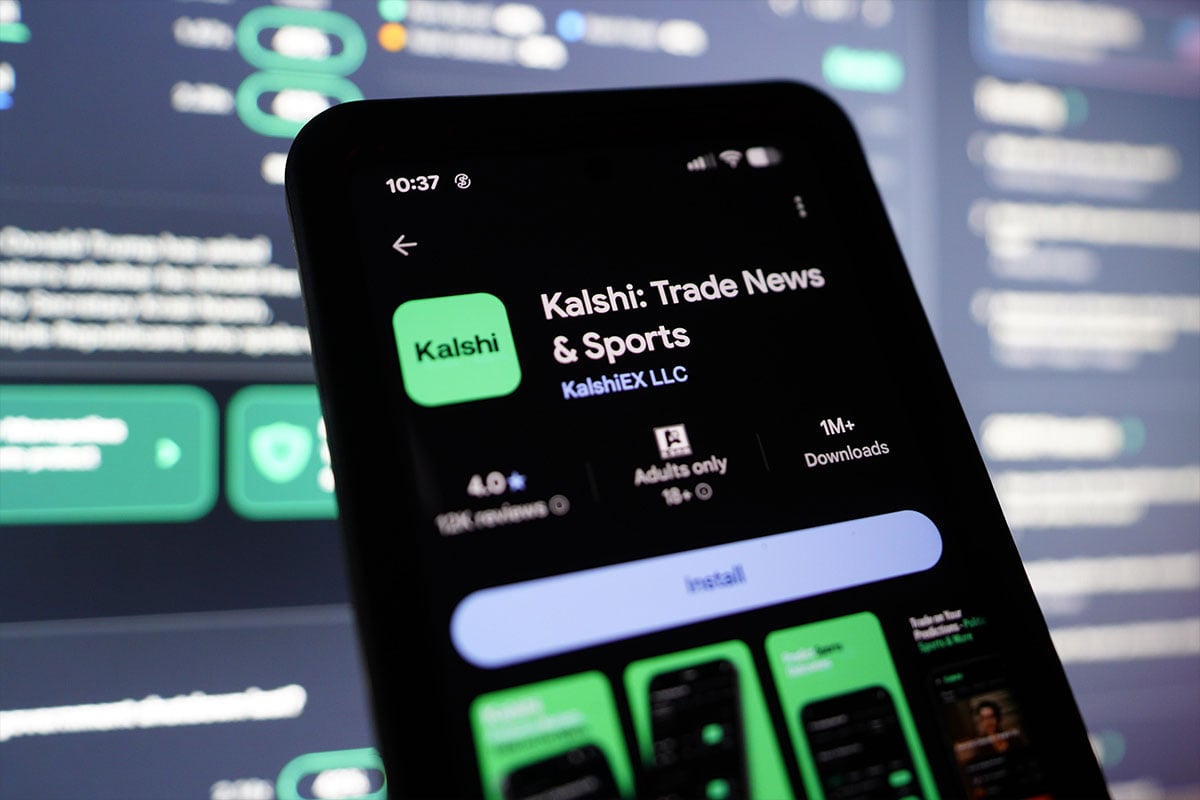


In recent years, prediction markets have gone from a niche corner of finance to a mainstream phenomenon. Platforms such as Kalshi and Polymarket have turned event forecasting into a rapidly growing consumer experience. Sports is still the main activity, and during the 2026 FIFA World Cup, Kalshi reportedly recorded $27 billion in trading volume with as many as 3 million active users.
However, prediction markets aren’t simply another form of betting. The combination of sports, strategy, competition, and real-time decision-making provides a unique user experience and one that the whole industry needs to adopt.
What Makes Prediction Markets Different From Traditional Betting?
The idea behind prediction markets is a simple one. A user buys and sells contracts based on whether a particular event will happen. A “Yes” contract might trade at $0.60, for example, meaning that there’s a 60 percent chance the event will happen. If the event happens, the contract can settle at $1.
This is what makes the prediction market different from sportsbooks. A bookmaker establishes odds and takes the other side of a customer’s wager. With prediction markets, users trade contracts with other market participants. The prices are determined by supply and demand.
The experience is therefore more active. Users need to monitor prices, trade, and exit positions before they lose value.
Why Prediction Markets Could Be Surprisingly Entertaining
The appeal of the prediction market isn’t about finance, but about interacting with the process. For instance, if a user follows a basketball game, they may buy a contract before tip-off, then watch its price change as the score, injuries, and momentum develop. It creates a short feedback loop that you can’t find in traditional betting.
There’s also an element of skill that can’t always be found in sports betting. Participants use their knowledge about the event to make predictions and trades as the event unfolds. It goes beyond sports; for instance, a prediction market might offer a contract asking whether the Federal Reserve will raise interest rates at its next meeting.

Users can take advantage of their knowledge of the matter, publicly available data, and in some cases even insider tips to buy contracts and make predictions.
Sports Could Be the Gateway to Mass-Market Adoption
Sports gambling has always been among the first to accept and implement the latest technological developments. This is noticeable in how the industry managed to automate some of the processes day to day users are implementing. For instance, odds conversion tables, which were used manually, are now available within the betting app interface. Customer support has also quickly automated as soon as the technology became available.
Betting sites were also among the first ones to accept crypto payments. Experts such as those from CryptoManiaks have noted that cryptos were first implemented in the gambling industry to now become an accepted part of mainstream finance and speculation.
Many therefore feel that sports will be the gateway to mass-market adoption for the prediction market. It’s an area that many potential users are familiar with, and over time the users will start exploring other lucrative ways to use predictive contracts.
The Social and Gamification Opportunity
Adding a social layer could be a big marketing opportunity for the prediction markets. Platforms could introduce leaderboards that showcase the most successful traders, public profiles displaying users’ predictions, friends-only competitions, and challenges. It would drive engagement and force users to keep track of the board and their place on it.
The prediction market also has a strong gaming mechanic since it’s competitive by nature. Users are not merely trying to predict an outcome; they are trying to predict it better than everyone else.
Regulation Could Determine Whether Prediction Markets Become Gaming
The biggest challenge for prediction markets and the ability to turn them into the next gaming industry is the regulation itself. Since there are more users than ever and the use of crypto is now common, governments will work on further regulation to protect the users and the integrity of the process.
In the United States, prediction markets generally operate within the derivatives framework, with the CFTC asserting jurisdiction over federally regulated event-contract markets. This agency has issued several guidance documents emphasizing regulatory obligations.
Leagues will also face challenges when it comes to prediction markets, as their obligation to be transparent about the data will be heavily regulated. It’s this data that will enforce the prediction market decisions by the users.
Conclusion: A New Gaming Category or Just Betting With a Different Interface?
Prediction markets have all the ingredients gaming enthusiasts are looking for. There’s uncertainty, competition, strategy, and real-time action. The sports market can serve as a gateway to this new approach to profiting from predicting events.
Once the market gets fully regulated and controlled by governmental agencies, users will be able to explore it and to take advantage of predicting the outcome of events outside of sports.


