





TLDR
- The U.S. dollar steadied near a 10-day low as investors waited for the Federal Reserve’s first policy meeting under new Chair Kevin Warsh.
- The Fed is widely expected to hold interest rates steady, but markets are watching for any shift away from an easing bias.
- A U.S.-Iran interim peace deal improved risk appetite, pulling demand away from the safe-haven dollar.
- The Japanese yen sat at 160.27 per dollar, near levels where traders expect Japanese authorities may intervene.
- The Bank of Japan raised rates to a 31-year high, but gave little guidance on when the next hike could come.
The U.S. dollar traded near its lowest level in 10 days on Wednesday as investors held back from making big bets before the Federal Reserve’s interest rate decision later in the day.
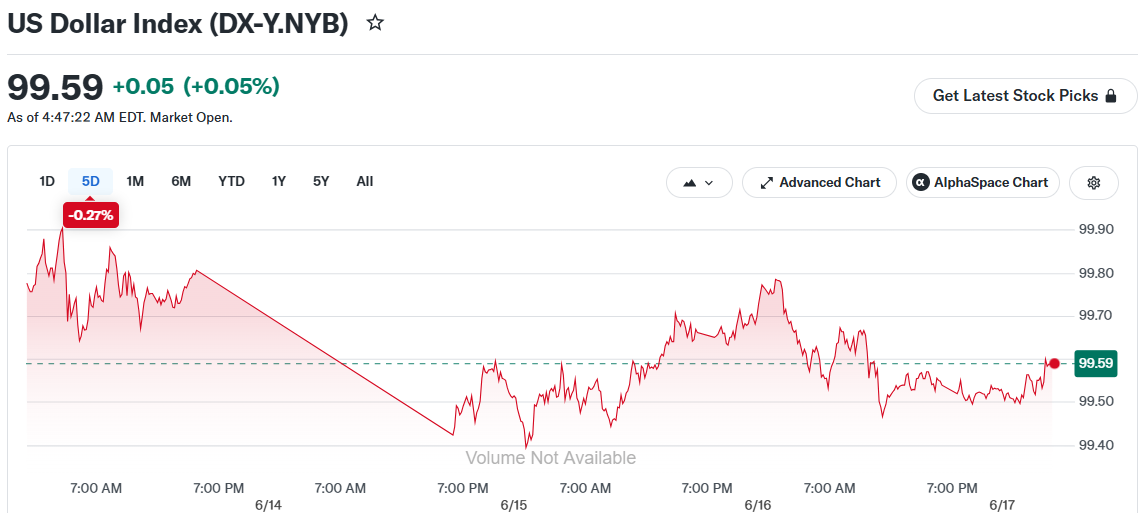
The U.S. Dollar Index sat at around 99.50 to 99.55, largely unchanged after four consecutive days of losses.
Markets are not expecting any rate change at this meeting. Kevin Warsh, who became Fed Chair last month, is holding his first policy meeting, and all eyes are on how he plans to run the central bank going forward.
Analysts at ING said the dollar now leans more on expectations of Fed tightening. They warned that if Warsh signals anything different from what markets expect, the dollar could sell off sharply.
The broader mood in markets was calmer than usual. A U.S.-Iran interim peace deal announced earlier this week reduced demand for safe-haven currencies like the dollar.
Under the deal, Iran would resume oil exports and freeze its nuclear programme for 60 days while negotiations continue. The agreement also potentially reopens the Strait of Hormuz to shipping.
Brent crude fell below $80 a barrel following the news, which also contributed to reduced safe-haven demand.

Yen Nears Intervention Zone as BOJ Gives Few Clues
The Japanese yen stayed weak at 160.27 per dollar, a level traders consider a red zone where Japanese authorities might step in to support the currency.
The Bank of Japan raised interest rates to 1% on Tuesday — the highest level in 31 years — as it works to bring inflation under control following energy price shocks tied to the Middle East conflict.
Despite the rate hike, the yen didn’t strengthen. Analysts say the BOJ gave little indication of when the next rate increase might come, limiting the market’s reaction.
Jane Foley, senior FX strategist at Rabobank, said the BOJ’s decision was still overshadowed by the Fed meeting. Traders are waiting for clearer signals before repositioning on the yen.
The Reserve Bank of Australia kept its cash rate on hold at 4.35% but warned it could raise rates again if inflation doesn’t ease. The Australian dollar traded at around $0.7063.
The euro held at $1.1613 and the British pound was little changed at $1.3431.
Erik Weisman of MFS Investment Management said Warsh may still be building consensus within the Fed before making any bold statements on policy direction.
The outcome of Warsh’s first press conference is likely to set the tone for dollar direction in the weeks ahead.
Stop guessing and start investing with confidence. KnockoutStocks gives you the AI insights, market intelligence, and stock research you need to spot opportunities, cut through the noise, and make smarter investment decisions — all in one powerful platform.
Sign up today and get 50% OFF full access to our premium stock picks.
Simply use coupon code SPECIAL50 at checkout to claim your exclusive discount.
Get 3 Free Stock Ebooks
Discover top-performing stocks in AI, Crypto, and Technology with expert analysis.
- Top 10 AI Stocks - Leading AI companies
- Top 10 Crypto Stocks - Blockchain leaders
- Top 10 Tech Stocks - Tech giants



