






TLDR
- Ethereum is the established leader with deep institutional support and a large app ecosystem
- Solana is faster and cheaper, processing transactions for as little as $0.00025
- US spot ETFs exist for both, narrowing Ethereum’s previous institutional advantage
- Solana stablecoin activity has passed $11 billion, with 200 million transactions per month
- Both carry high risk, but Ethereum is seen as the safer long-term hold
Ethereum and Solana are both smart-contract blockchains, but they work differently and appeal to different types of investors.
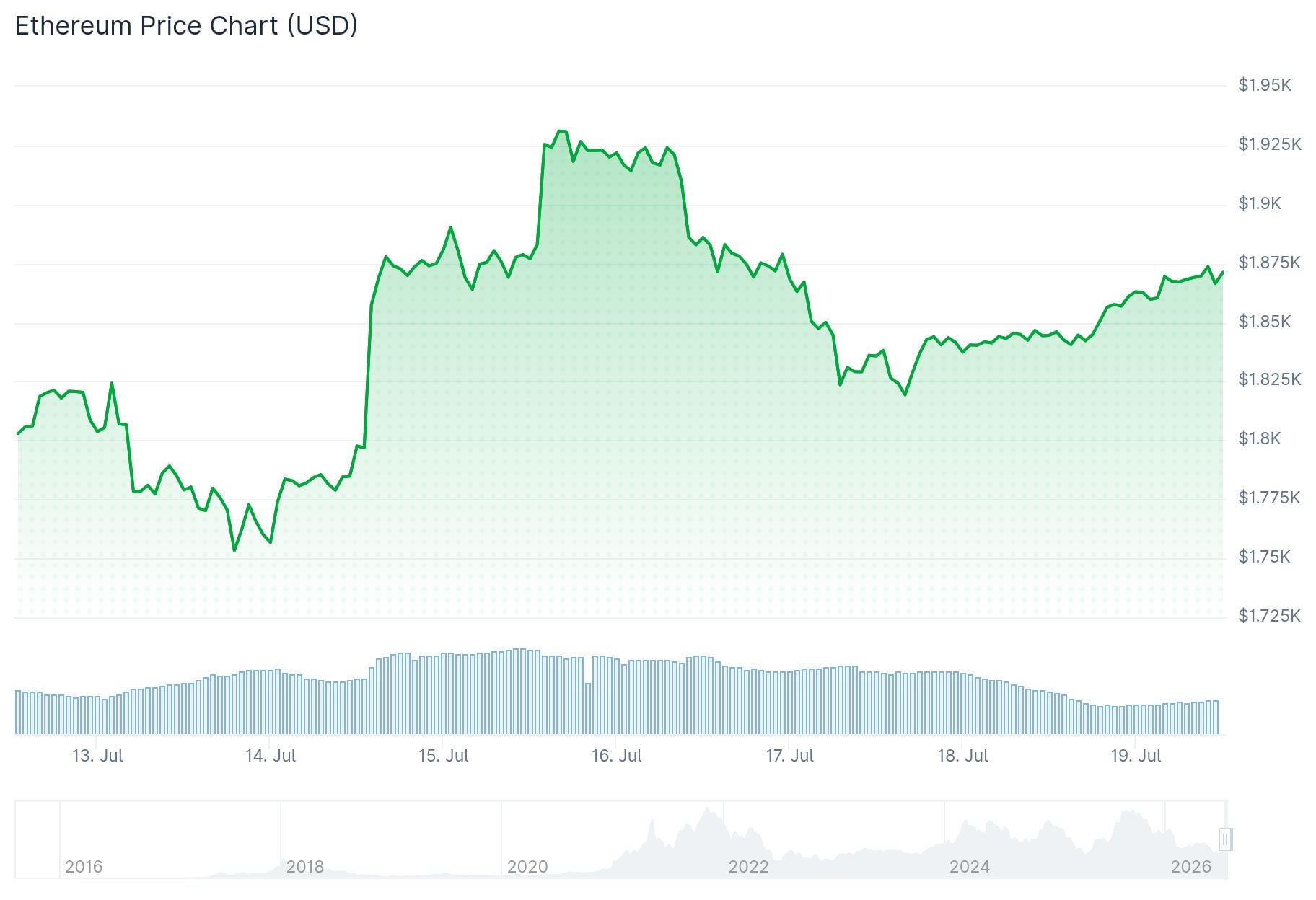
Ethereum is the older, more established network. It hosts a large number of decentralized apps, stablecoins, and tokenized assets. Its layer-2 scaling strategy moves transactions off the main chain to reduce costs, while still settling on Ethereum for security.
In 2024, US regulators approved spot Ethereum exchange-traded products. That made it easier for everyday investors to buy ETH through standard brokerage and retirement accounts.
Ethereum’s roadmap includes upgrades like PeerDAS and expanded blob capacity, both aimed at supporting more layer-2 activity.
The main concern for Ethereum investors is value capture. As more transactions move to layer-2 networks, fewer fees flow directly back to the main chain.
The ecosystem can also feel complex. Users often need to move funds between networks, use bridges, and manage multiple versions of the same token.
Solana’s Speed and Low Cost
Solana runs on a single chain without relying on a layer-2 system. That makes the user experience simpler.

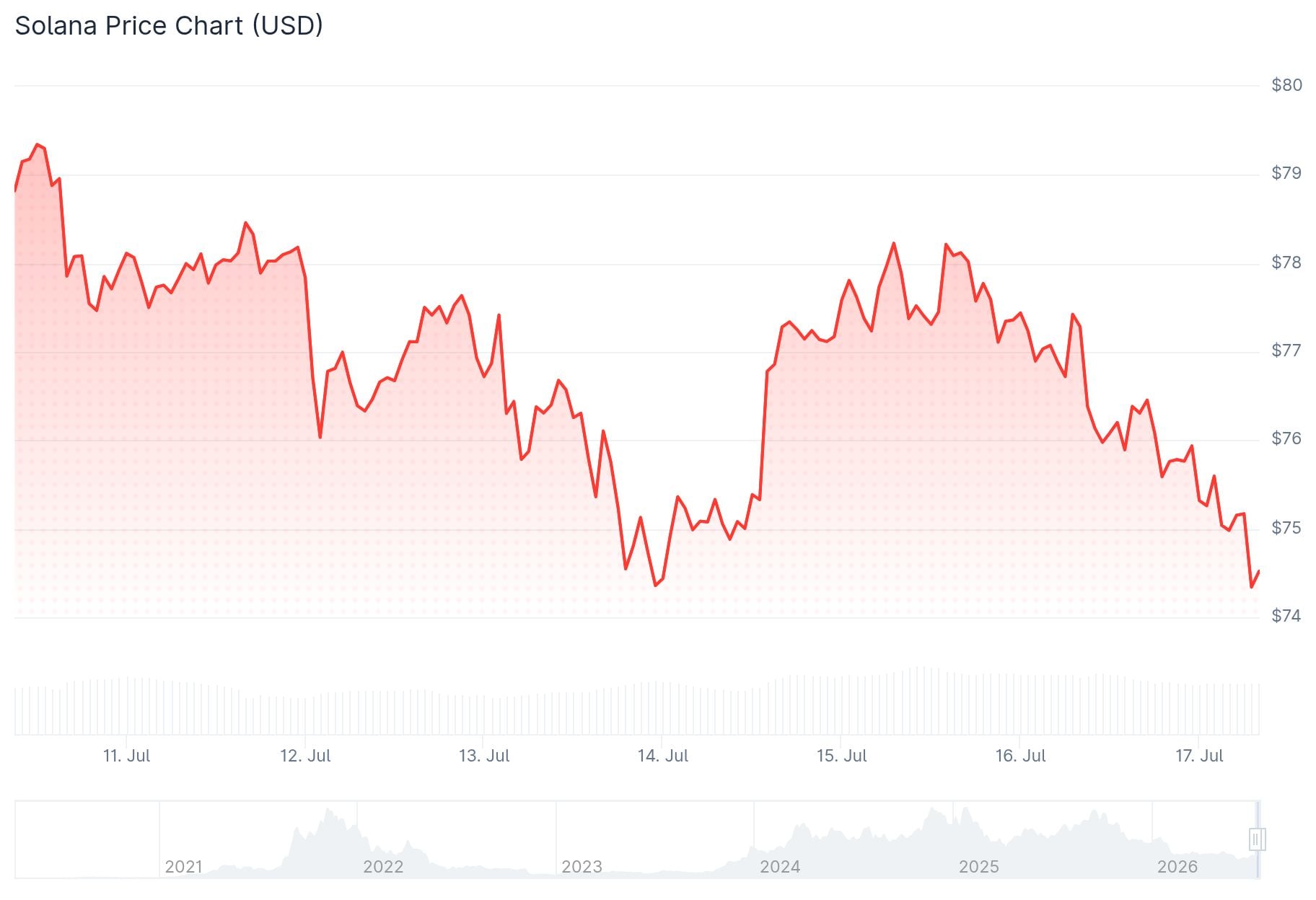
Its fees are very low. A standard transaction costs around $0.00025. That makes Solana well suited for apps that need fast, cheap transactions — things like trading, gaming, payments, and digital collectibles.
Stablecoin use on Solana has grown fast. The Solana Foundation reports more than $11 billion in stablecoin circulation on the network and over 200 million related transactions per month.
Institutional access to Solana has also grown. Products from 21Shares, Grayscale, and Bitwise now offer US investors exposure to SOL, including options that include staking.
That narrows one of Ethereum’s previous advantages in the institutional space.
Risks on Both Sides
Solana carries more execution risk. Its ecosystem has leaned heavily on speculative trading, including memecoins. Activity could fall sharply in a weak market.
There are also questions about decentralization. Running a Solana validator requires powerful hardware, which can make participation harder for smaller operators.
Ethereum’s risks are different. The layer-2 model improves scalability but fragments the user experience. It also raises questions about how much value flows back to ETH holders over time.
What the Data Suggests
For conservative crypto investors, Ethereum looks like the stronger core holding. It has a longer track record, wider infrastructure, and deeper institutional ties.
Solana may offer more growth upside, but with more volatility attached.
Some investors choose to hold both — gaining exposure to Ethereum’s network effect and Solana’s faster-growing ecosystem. Either way, both assets remain highly speculative and capable of large losses.


