





TLDR
- Eurozone inflation rose to 3.2% annually in May, up from 3.0% in April
- Energy prices jumped 10.8% year-on-year, driven by the Iran war and Strait of Hormuz closure
- The ECB raised interest rates last week for the first time in nearly three years
- A US-Iran peace deal framework could reopen the Strait of Hormuz by Friday
- ECB economist Philip Lane says the bank will stay “proactive” on inflation even after the deal
Eurozone inflation picked up in May, rising to 3.2% on an annual basis, up from 3.0% in April. The figure matched forecasts and was confirmed by Eurostat data released Wednesday.
Euro area annual #inflation up to 3.2% in May 2026 https://t.co/6DMsPYz20S pic.twitter.com/qp2Xd0xJqi
— EU_Eurostat (@EU_Eurostat) June 17, 2026
On a monthly basis, inflation slowed to 0.1% from 1.0%, also in line with expectations.
Energy prices were the main driver, rising 10.8% year-on-year. The surge follows the closure of the Strait of Hormuz after the US and Israel launched a military assault on Iran in late February. Attacks on natural gas facilities in the Gulf added further pressure on European energy costs.
ECB Raises Rates for First Time in Nearly Three Years
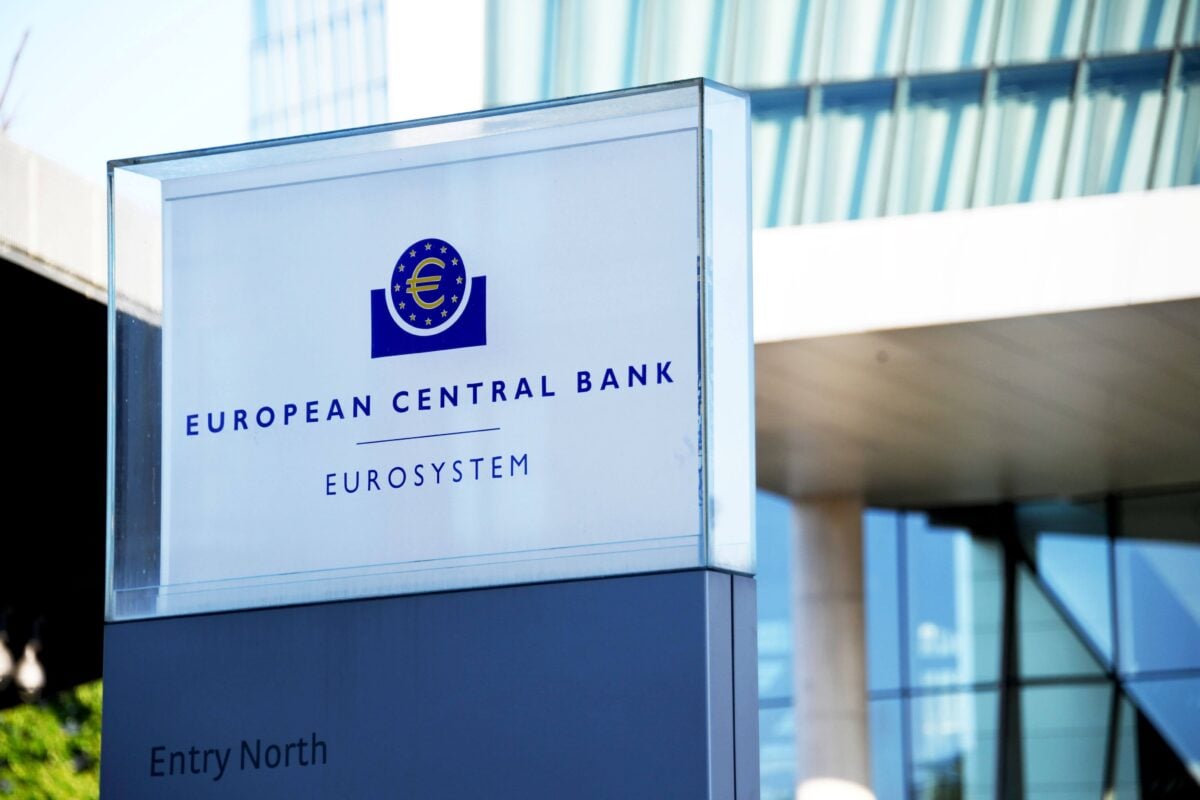
In response, the European Central Bank raised interest rates last week. It was the first hike in almost three years. The ECB also warned that inflation risks remain elevated.
New ECB projections now put average inflation at 3.0% for 2026, 2.3% in 2027, and 2.0% in 2028. Those figures are higher than previous estimates of 2.6%, 2.0%, and 2.1%.
ECB President Christine Lagarde said inflation is expected to return to the 2% target by autumn 2027. She cautioned that if energy costs stay high longer, price growth could rise further.

Lagarde described the current environment as one where “growth is absent or under threat.”
Eurozone GDP growth forecasts were also cut. The region is now expected to grow 0.8% this year, down from a prior estimate of 0.9%.
Core inflation, which strips out energy, food, alcohol, and tobacco, came in at 2.6% year-on-year. That was above the 2.2% recorded in April and slightly above the 2.5% forecast.
ECB Signals More Rate Hikes Are Possible
ECB chief economist Philip Lane said the bank will remain “proactive” even after the US-Iran peace deal brought oil prices down somewhat.
Lane noted that oil prices are still above pre-war levels. Financial markets are pricing in at least one more rate hike this year, most likely in September or October. The ECB’s deposit rate currently stands at 2.25%.
A framework peace deal between the US and Iran is set to be signed on Friday. The agreement would reopen the Strait of Hormuz and lift an American blockade on Iranian ports.
Lane said the euro zone economy still shows resilience, pointing to a recovery in construction, rising real wages, and increased fiscal spending in Germany as positive factors.
“Lots of individual items are positive,” Lane said. “And so the clearly negative energy shock is in the context of this wider resilience.”
Policy decisions going forward will depend on where oil prices settle and how geopolitical uncertainty develops.
Stop guessing and start investing with confidence. KnockoutStocks gives you the AI insights, market intelligence, and stock research you need to spot opportunities, cut through the noise, and make smarter investment decisions — all in one powerful platform.
Sign up today and get 50% OFF full access to our premium stock picks.
Simply use coupon code SPECIAL50 at checkout to claim your exclusive discount.
Get 3 Free Stock Ebooks
Discover top-performing stocks in AI, Crypto, and Technology with expert analysis.
- Top 10 AI Stocks - Leading AI companies
- Top 10 Crypto Stocks - Blockchain leaders
- Top 10 Tech Stocks - Tech giants



