






Domestic leagues provide the majority of the framework supporting national teams within many football federations. A domestic league provides competitive action (at least) each week of the year; it allows a federation to monitor the performance of its players and to keep its players ‘match fit, so they are able to continue developing tactical knowledge on-site with fellow players who could eventually join the team as part of a national side participating in an international tournament. The leagues are still one of the most important ways to find and develop players in regions such as Iran and Afghanistan to participate in continental tournaments and World Cup qualifying tournaments.
Domestic Competitions as Talent Pipelines
Domestic leagues offer the national federation the opportunity to see players throughout the course of a season; this is especially important when developing young players, and was specifically seen by the Iranian national team in relation to the Persian Gulf Pro League (PGPL). Domestic sports platforms have provided a large amount of data regarding specific match-ups, odds changes and analysis of team performance throughout the PGPL, such that many of these types of analyses have been used in conjunction with football wagering (Arabic: سایت شرط بندی), in order to allow users to compare the odds, and real time market activity/ statistics associated with leagues in Asia and other international competitions. The platform offers a single point of access to matches, odds, and statistics.
More than half of the players who made up the 2022 FIFA World Cup roster for Iran had begun their professional careers at top-tier clubs in Iran, including Persepolis, Esteghlal, Sepahan, and Tractor, before being transferred to the European or Gulf Stream Leagues.
The Afghan football system has shown a similar trend. The Afghan Premier League (APL) started operation in 2012 and created a central location for consolidating football talent from around the provinces (Kabul, Herat, and Balkh). Even though much of the region’s infrastructure has been dismantled, the APL was able to assist greatly in identifying the players that would eventually make up the Afghanistan national team for the 2015 AFC Asian Cup qualification rounds.
Structural Development Through Local Leagues
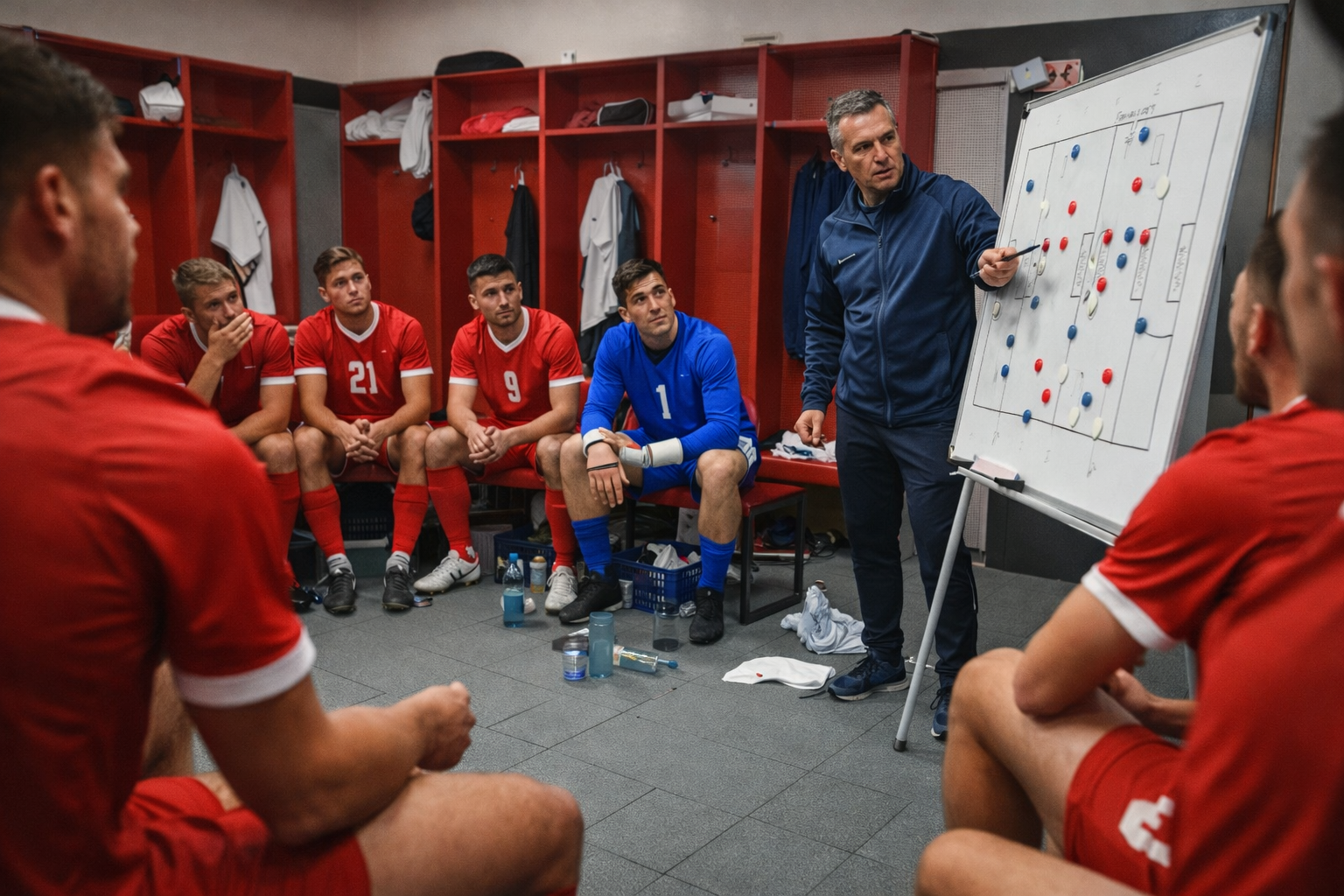
Beyond identifying individual talent, professional league competitions also affect how teams prepare, organize, and train players for international soccer; they provide the tactical and organizational foundations for national teams to be successful.
When coaches select a system during international competition, they usually implement systems already familiar to players from their club environment. This is done to help minimize the time players need to adjust to new systems. The MelBet APK is an app commonly used by fans watching international competitions. Fans can use the app to see the most up-to-date odds in real-time while placing live and pre-match bets, and can view statistics about the games, including statistics about the leagues, betting markets, and account functions.
One example of this is Iran. While Iranian clubs (such as Sepahan and Persepolis) maintain player retention in their domestic leagues, they also expose their domestic players to international play through participation in the AFC Champions League. These clubs have developed several defensive and pressing tactics that influenced some of the tactics selected by the national team in the 2019 AFC Asian Cup and the 2022 FIFA World Cup qualification.

There are various ways to measure how preparation for the national team is assisted by the regular occurrence of league competitions:
- Player conditioning: The regular league schedules help to retain match fitness throughout the season.
- Tactical consistency: Players arrive at national camps used to certain structures.
- Talent evaluation: Weekly monitoring of players is possible, as opposed to federations having to scout occasionally.
- Youth progression: Pathways for development are provided by the Under-21 and reserve competitions.
In Afghanistan, league matches are also used as scouting opportunities for youth academies associated with local clubs. While the national team frequently depends on diaspora players based in Europe, domestic competitions play a vital role in the assimilation of local players into international teams.
Examples of Domestic Leagues Feeding National Teams
The relationship between local championships and national squads is evident across multiple Asian football systems. Several national teams depend heavily on players developed through domestic leagues before international exposure.
| Country | Domestic League | Contribution to National Team |
| Iran | Persian Gulf Pro League | The majority of players begin their careers domestically before moving abroad |
| Afghanistan | Afghan Premier League | Identifies regional players for national camps |
| Qatar | Qatar Stars League | The core of the 2022 FIFA World Cup host squad was developed locally |
| Uzbekistan | Uzbekistan Super League | Supplies most players for the AFC competitions |
Qatar demonstrates what achievement abroad can mean as a result of direct investment at home. Some of the national team players who won the 2019 AFC Asian Cup were developed at the Aspire Academy and played in the Qatar Stars League. The Qatar domestic league systems were also crucial for the development of Almoez Ali and Akram Afif, as they represented the national team.
The Iranian football system works the same way. Even players of international repute like Mehdi Taremi and Sardar Azmoun have had their formative years in the Iranian club system before moving to the European leagues.
Domestic Championships and Tactical Identity
Competitive league structures at the local level are important in determining the style of the national team’s tactics. National team coaches know how each player’s position plays in their league because they compete with all other players in their domestic league for a position on a team.
Defensive and transition-based play has been a key part of domestic football (with a focus in Iran). Domestic league teams employ similar defensive organizations as those that the club teams in Iran used before the appointment of Carlos Queiroz as head coach of the Iranian national team in 2011 through 2019; therefore, his national team represented the common methods and systems employed in the domestic game.
In addition to these factors, a primary benefit of local professional leagues is that players will face different opponents throughout a season and, since most domestic leagues have relatively equal competitiveness among teams, players can develop or learn to apply their skills in a variety of ways throughout the season.
Youth Development Pathways
The structures for youth development are still interlinked with the domestic league structures. In Iran, league clubs that have academies participate in national youth competitions, primarily the Under 21 and Under 18 leagues, which are the primary pathways to the senior teams. As such, the majority of players go through several levels of development prior to participating in professional games:
- Regional youth leagues: first competitive engagements for participants between 12 and 16 years.
- Club academies: high-level coaching, tactical development, and physical training.
- National youth championships: higher level of competition and identification by federation scouts.
- Senior domestic leagues: the last stage before possible selection to national teams.
Prior to joining the Persian Gulf Pro League, youth players usually pass through the stages of club academies, regional youth leagues, and national youth tournaments.
League Competition Integration Into Global Football Scheduling
Domestic leagues provide an international football calendar and a framework for domestic player development, enabling players to develop their skills to participate in international competitions (club World Cup qualifiers, international friendlies), World Cup qualifying matches, and other regional competitions such as the Asian Games.
Most of the Iranian players selected for the national team during the 2018 and 2022 FIFA World Cup qualification process played in the Persian Gulf Pro League. The competitive environment of the domestic league prepared the national team’s players physically and tactically to quickly transition from the domestic league to the national team.
The same is true for virtually every country in the top football region of Asia. In order to have a strong pool of players to select from for national team competitions, national teams need a reliable and fair domestic league competition to produce a large number of qualified and skilled players to draw from when selecting national team rosters. Therefore, domestic league competitions, youth academy competitions, and national team competitions all contribute to the production of national team players.


