



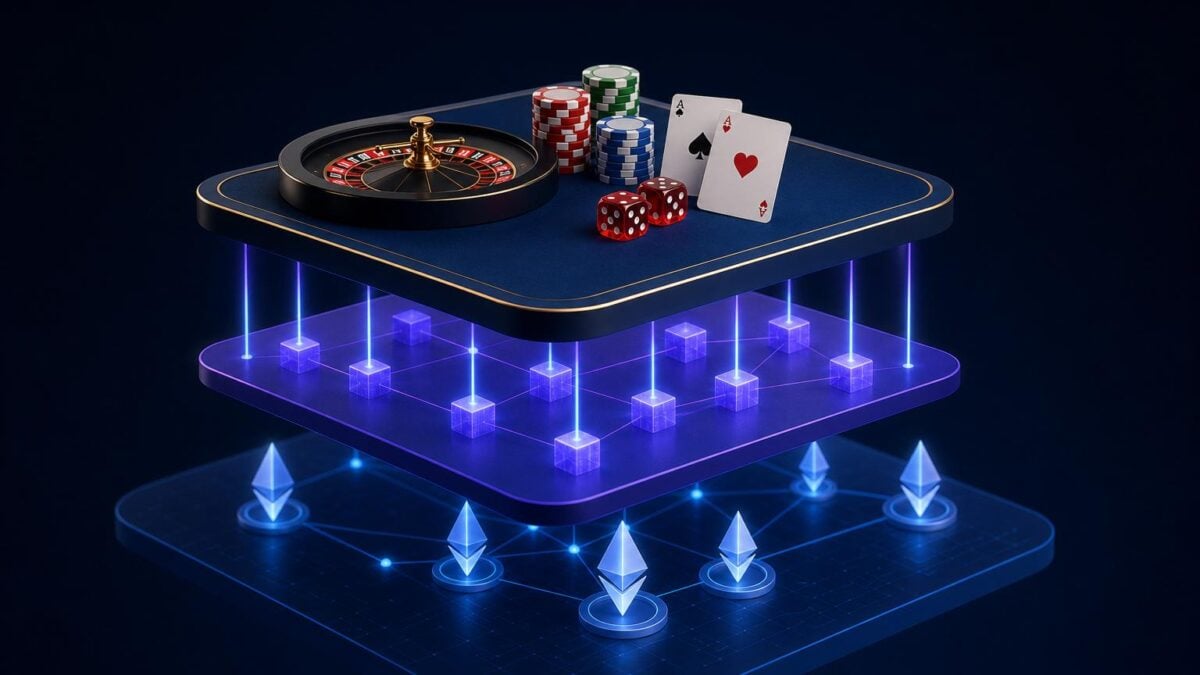


Blockchain technology has transformed how we think about digital value, but its most significant challenge remains scalability. Ethereum processes roughly 15 transactions per second, while Visa handles over 24,000. This bottleneck creates high fees and slow confirmations. Layer 2 solutions fix this by moving transactions off the main chain while keeping its security guarantees. Think of it like a high-speed express lane on a congested highway. Players seeking fast digital transactions with real-world rewards often turn to platforms like Lucky Hills casino Canada real money, which benefits from the same efficiency principles that drive Layer 2 adoption. These secondary networks process thousands of transactions instantly while settling final balances on the main blockchain.
Key Layer 2 Statistics
The data reveals a clear trend toward off-chain scaling. Here are the numbers that matter:
- Ethereum Layer 2 networks processed over 12.4 million daily transactions in December 2025, surpassing Ethereum mainnet by a factor of 20.
- Total value locked across Layer 2 solutions reached $48 billion in early 2026, a 340% increase from January 2024.
- Arbitrum alone handled 2.7 billion transactions since its 2021 launch, with average fees below $0.01 per transfer.
- Optimistic rollups reduced gas costs by 95% compared to Ethereum Layer 1 for token swaps and NFT minting in 2025.
- zkSync Era attracted 5.8 million unique wallet addresses within its first 18 months of operation.
- Base, Coinbase’s Layer 2 network, generated $45 million in revenue during Q3 2025 from sequencer fees alone.
- Layer 2 solutions will account for 80% of all Ethereum transaction activity by the end of 2026, according to industry projections from Messari.
Why Speed Creates New Opportunities
High transaction throughput opens doors that slow blockchains cannot reach. Casino platforms now integrate Layer 2 networks for instant deposits and withdrawals, eliminating the dreaded waiting period for confirmations. Players enjoy real-time spins and live dealer interactions without network congestion delays. The same technology powers decentralized exchanges that settle trades in seconds rather than minutes. Optimism and Arbitrum already support major DeFi protocols, handling millions in daily volume with near-zero latency. This speed transforms user experience from frustrating to frictionless. Developers build applications that feel like traditional web services while retaining blockchain’s transparency and security.
Rollups Dominate the Scaling Race
Two primary rollup types compete for dominance. Optimistic rollups assume transactions are valid unless challenged, using fraud proofs to catch bad actors. They launched first and hold the largest market share. ZK-rollups use cryptographic validity proofs to verify transactions instantly, offering faster finality and stronger privacy. StarkNet and zkSync lead this category. Both approaches compress hundreds of transactions into a single batch submitted to Layer 1. This compression cuts costs dramatically. A typical Ethereum swap costing $15 on mainnet drops to $0.05 on a rollup. The trade-off involves trust assumptions and withdrawal delays, but each iteration improves these limitations. Major exchanges like Coinbase and Kraken now build their own rollups, signaling mainstream adoption.
Real-World Use Cases Beyond Speculation
Layer 2 technology powers practical applications beyond crypto trading. Gaming studios deploy full virtual worlds on Immutable X and Polygon zkEVM, where players trade assets and earn rewards without gas fees. Supply chain companies track goods across borders using optimistic rollups for data integrity. Social media platforms like Lens Protocol run on Layer 2 infrastructure, handling millions of posts and likes daily. The casino gaming sector particularly benefits from these advances. Instant payouts, provably fair algorithms, and anonymous transactions become viable at scale. Players access slots, table games, and live dealer options with the same speed as traditional online casinos. Operators reduce costs and pass savings through better bonuses and promotions. This synergy between blockchain efficiency and entertainment drives adoption on both sides.
The Security Trade-Off
Layer 2 solutions inherit security from their parent chain but introduce new attack surfaces. Sequencers, the entities ordering transactions, hold temporary power to censor or reorder activity. Fraud proof systems require honest participants to monitor and challenge invalid state updates. ZK-rollups eliminate this need but demand complex cryptographic computations. No solution achieves perfect security without trade-offs. Ethereum’s upcoming danksharding upgrade will provide native data availability for rollups, reducing costs further. Users must understand these nuances before committing significant value. Research from the Ethereum Foundation shows that major Layer 2 networks maintain 99.99% uptime with zero successful exploits as of early 2026. The track record remains strong, but vigilance stays essential.
Layer 2 solutions represent the most practical path to blockchain mass adoption. They solve the trilemma of security, decentralization, and scalability without sacrificing core principles. Whether you trade assets, play games, or simply send money across borders, these networks deliver the speed and low costs that make blockchain useful. The technology matures rapidly, with 2026 marking the year when Layer 2 becomes the default experience for most users. Choose networks with proven track records, active developer communities, and transparent governance. The future of decentralized applications runs on Layer 2.



