





TLDR
- UK Prime Minister Keir Starmer announced a full ban on social media for under-16s
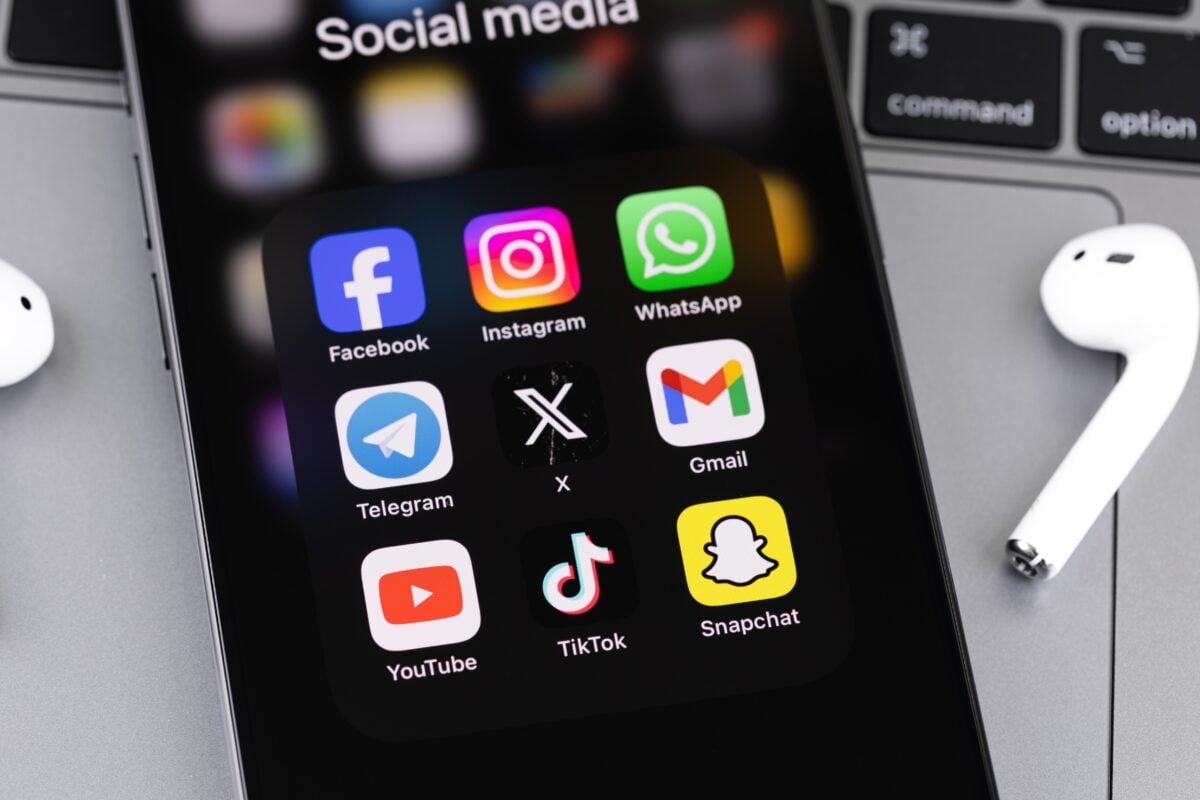
- Platforms affected include TikTok, Instagram, Facebook, YouTube, Snapchat and X
- Legislation will go to Parliament before Christmas, with protections live Spring 2027
- AI romantic/sexual chatbots will require users to be 18 or older
- The US embassy warned against a blanket ban, citing compliance burdens on American companies
The UK government has announced plans to ban children under 16 from accessing major social media platforms. Prime Minister Keir Starmer made the announcement at a Downing Street press conference on Monday, June 15.
The ban will cover platforms including TikTok, Instagram, Facebook, YouTube, Snapchat and X. Messaging apps like WhatsApp and Signal are not included.
We are banning social media access for under 16s.
These days kids must find their feet in a world where technology intrudes into every area of their life.
I just can’t let that go on anymore. So we’re giving children their childhoods back. pic.twitter.com/jn7iQrcwk8
— Keir Starmer (@Keir_Starmer) June 15, 2026
Starmer said social media is “making children unhappy” and described a full ban as “the right choice.” He added that he would not compromise on the “safety and happiness” of children.
The move follows Australia, which raised its minimum social media age to 16. The UK ban is expected to go further in scope.
What the Rules Will Cover
The government will also restrict harmful features like live streaming and stranger communication on gaming platforms. These restrictions will apply to under-16s by default.
For 16- and 17-year-olds, restrictions on some harmful features will also be switched on by default. This is designed to avoid a sudden change at age 16.

AI chatbots built to simulate romantic or sexual relationships will require users to be at least 18. Broader intimate AI chatbot features will be restricted for anyone under 18.
The government is also looking at potential overnight curfews and breaks in infinite scrolling for under-18s, though these have not been confirmed yet.
Ofcom will carry out a study on age verification methods. The Technology Secretary has requested an urgent review of Ofcom’s enforcement powers.
The government said it will fund Ofcom to carry out its new responsibilities under the Children’s Wellbeing and Schools Act.
Public Support and Opposition
A public consultation received around 116,000 responses, making it the second-largest in UK history. Over 83% of parents said social media risks outweigh the benefits for children. Nine in ten parents backed a minimum age of 16.
About two-thirds of children who responded said restricting high-risk features would make them safer. However, 72% said they worried about feeling left out if restrictions came in.
Not everyone supports the ban. The Molly Rose Foundation, set up after 14-year-old Molly Russell took her own life in 2017 after viewing harmful content online, said the ban “will fail to tackle fundamental product safety risks.”
Some lawmakers argued that educational video content used by young people to study should not be treated the same as social media.
The US embassy in London also pushed back, saying the US preferred “narrowly targeted requirements” and that a blanket ban could place heavy compliance burdens on American tech companies.
The legislation is expected to reach Parliament before the end of 2026, with protections coming into force in Spring 2027.
Stop guessing and start investing with confidence. KnockoutStocks gives you the AI insights, market intelligence, and stock research you need to spot opportunities, cut through the noise, and make smarter investment decisions — all in one powerful platform.
Sign up today and get 50% OFF full access to our premium stock picks.
Simply use coupon code SPECIAL50 at checkout to claim your exclusive discount.
Get 3 Free Stock Ebooks
Discover top-performing stocks in AI, Crypto, and Technology with expert analysis.
- Top 10 AI Stocks - Leading AI companies
- Top 10 Crypto Stocks - Blockchain leaders
- Top 10 Tech Stocks - Tech giants



