





TLDR
- Bank of America warns SpaceX and OpenAI IPOs could push US market concentration to 48%, above dot-com bubble levels
- April CPI came in at 3.8%, approaching BofA’s 4% danger threshold where stocks historically lose value
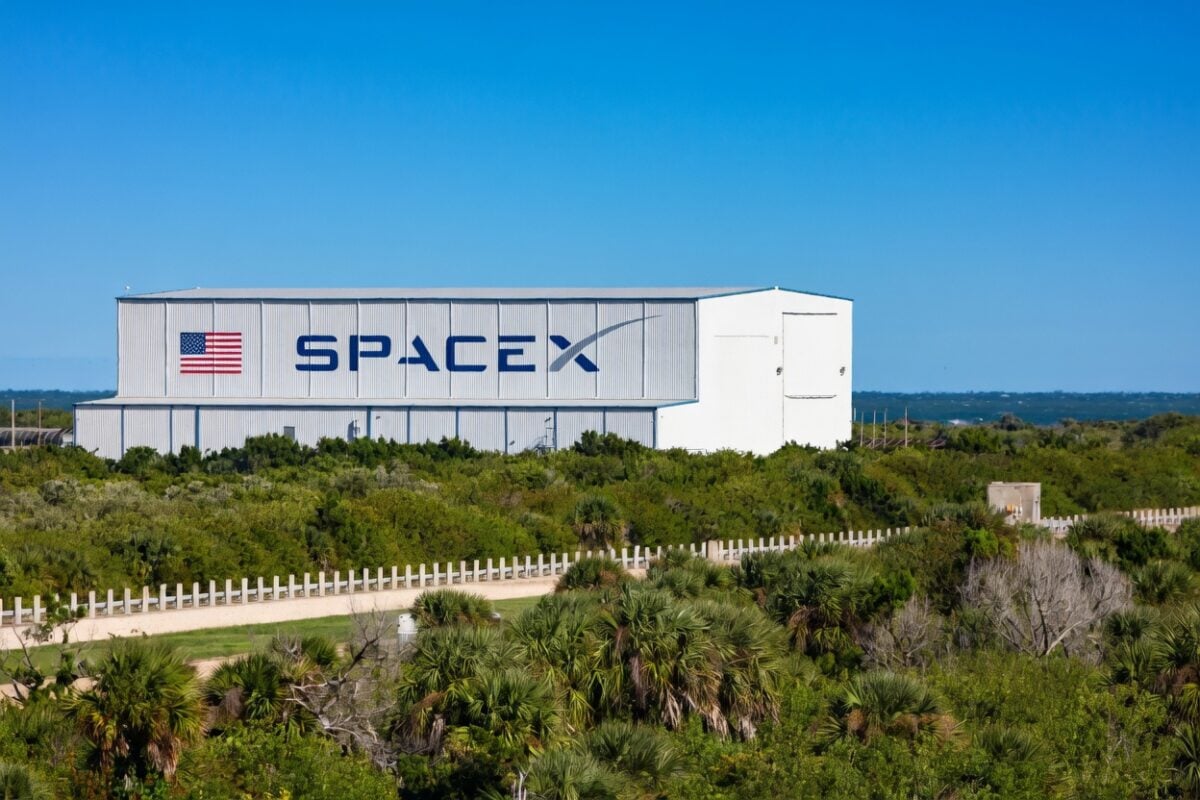
- SpaceX is targeting a Nasdaq listing as early as June 11
- SpaceX’s fast entry into the Nasdaq-100 could force ETF funds to buy shares quickly, creating short-term volatility
- The QQQ ETF currently holds a Strong Buy consensus from Wall Street analysts with a $817.97 average price target
SpaceX and OpenAI are edging closer to going public, and Wall Street is watching closely. Both companies could become among the largest IPOs in US history, and that has some analysts sounding the alarm about what it means for the broader market.
Bank of America strategist Michael Hartnett estimates that adding these two companies to today’s existing AI leaders could push the concentration of the top US stocks from 40% to around 48% of total US market value. That would exceed the market concentration seen during the dot-com bubble, the Nifty Fifty era, Japan’s 1980s boom, and the Roaring Twenties.
The only period with higher concentration was the railroad boom of the 1880s.
Rising Inflation Adds Pressure
The timing matters. US inflation, as measured by the Consumer Price Index, rose 3.8% in April. That puts it close to the 4% level that BofA considers a warning sign for equities.
Historically, when CPI first crossed 4%, the S&P 500 lost around 4% over the following three months and nearly 7% over six months, according to BofA data. The market is not there yet, but the direction is clear.
At the same time, the 30-year Treasury yield is pushing back toward 5%. Higher yields make it more expensive to justify paying today for growth that may not arrive for years. Both SpaceX and OpenAI would require investors to do exactly that.
BofA’s look at the history of large IPOs shows no clean pattern. Some sparked rallies. Some landed near market weakness. Many barely moved the broader index. The IPO itself is not a reliable market signal — the conditions around it are.

What the SpaceX IPO Means for ETF Investors
SpaceX is targeting a Nasdaq listing as early as June 11. Under Nasdaq’s updated rules, very large companies can enter the Nasdaq-100 index much faster than before if they rank among the biggest eligible firms.
That creates a specific risk for the Invesco QQQ ETF, which tracks the Nasdaq-100. If SpaceX qualifies for fast-track inclusion, ETFs and index funds would need to buy the stock quickly, potentially before the market has had time to price it properly.
The concern is not about SpaceX’s business. It is about mechanics. Forced buying with a limited public float could drive the stock higher in the short term. But if that buying fades and the stock was overpriced at entry, the QQQ would feel the downside too.
SpaceX would also add to the concentration problem already present in the Nasdaq-100, which is already heavily weighted toward a handful of large tech companies.
Currently, Wall Street analysts hold a Strong Buy consensus on QQQ, based on 88 buys and 13 holds in the past three months. The average price target stands at $817.97, implying about 14% upside from current levels.
Whether that upside holds may depend in part on how both the SpaceX IPO is priced and how inflation behaves in the months ahead.
Stop guessing and start investing with confidence. KnockoutStocks gives you the AI insights, market intelligence, and stock research you need to spot opportunities, cut through the noise, and make smarter investment decisions — all in one powerful platform.
Sign up today and get 50% OFF full access to our premium stock picks.
Simply use coupon code SPECIAL50 at checkout to claim your exclusive discount.
Get 3 Free Stock Ebooks
Discover top-performing stocks in AI, Crypto, and Technology with expert analysis.
- Top 10 AI Stocks - Leading AI companies
- Top 10 Crypto Stocks - Blockchain leaders
- Top 10 Tech Stocks - Tech giants



