





TLDR
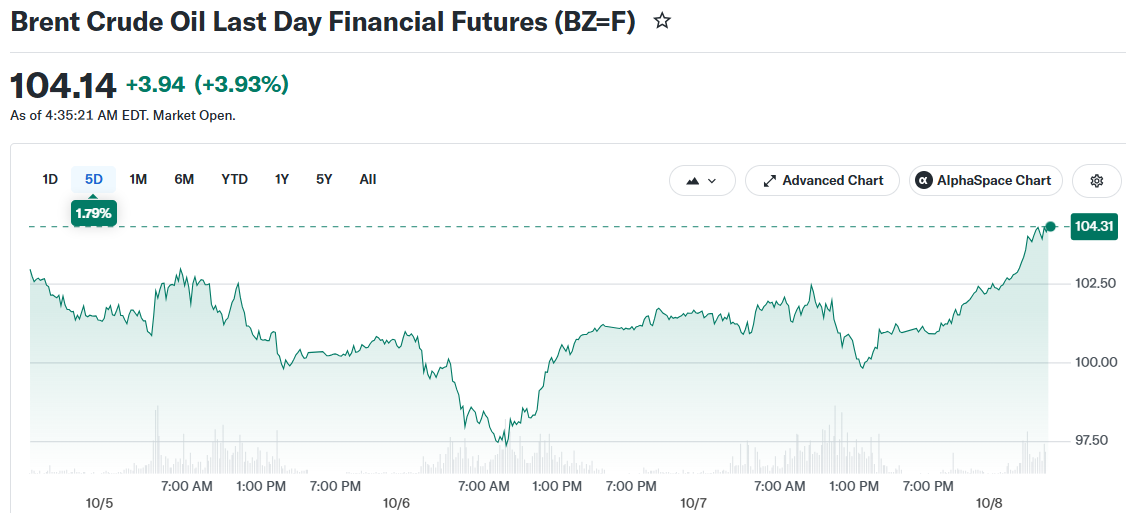
- Brent crude rose nearly 4% to above $104 a barrel, while WTI gained to around $91
- Iranian attacks on tankers in the Strait of Hormuz hit their highest weekly level since the war began
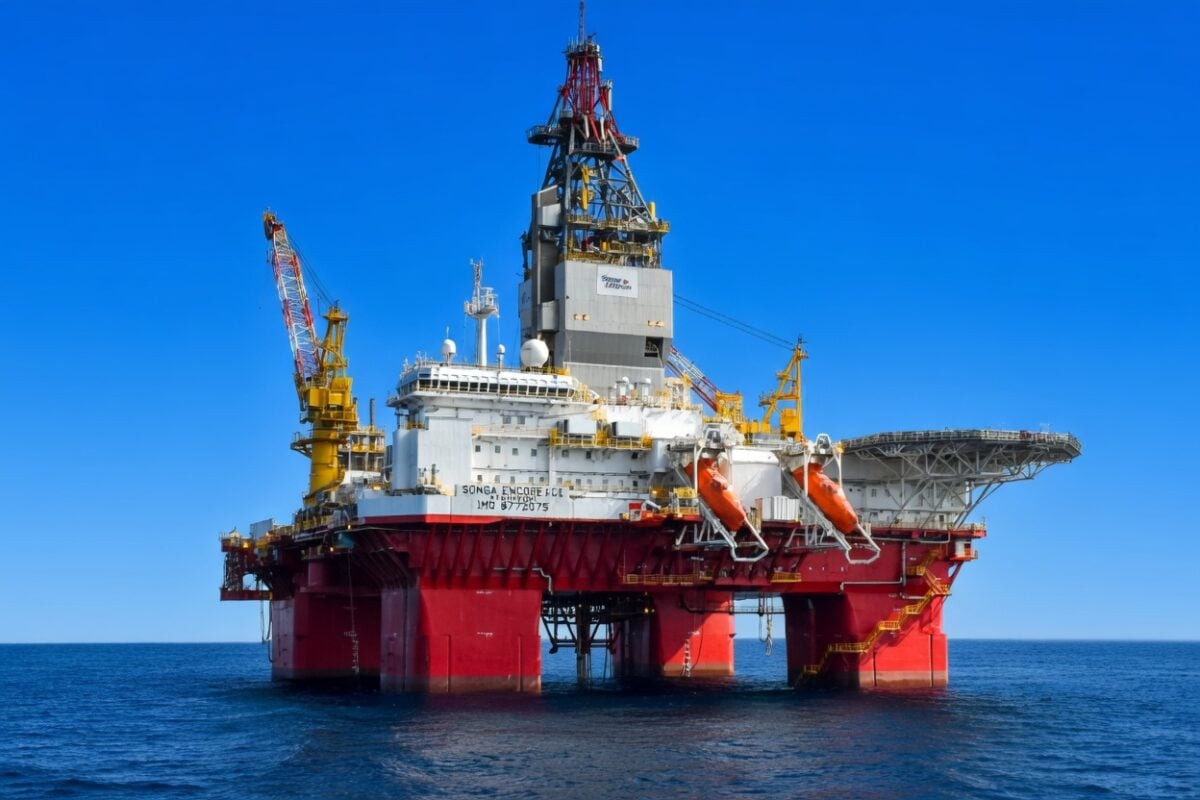
- Tropical Storm Isaias strengthened into a hurricane, forcing companies to evacuate Gulf of Mexico platforms
- U.S. crude inventories fell by 3.2 million barrels instead of rising as expected
- A report said the White House asked the Pentagon to prepare Iran strike options before the midterm elections
Oil prices climbed sharply on Thursday. Two separate threats to global supply pushed traders to buy.
Attacks on shipping in the Middle East continued to rise. At the same time, a storm in the Gulf of Mexico turned into a hurricane.
Brent crude futures rose close to 4% to $104.07 a barrel. U.S. West Texas Intermediate crude rose to $91.53 a barrel.
Attacks Rise in the Strait of Hormuz
Vessel traffic through the Strait of Hormuz dropped to its lowest level in over two months. Iran has increased attacks on tankers passing through the waterway.
BREAKING: Iran appears to have struck a vessel in the middle of the Gulf of Oman east of Fujairah, with NASA FIRMS showing the vessel on fire. It would be the first hit in the area in more than 6 months.
US aircraft have been circulating over the exact area of the fire for… pic.twitter.com/EoypbH7WyQ
— The Hormuz Letter (@HormuzLetter) October 8, 2026
Iranian officials have said the strait remains closed during the ongoing standoff with the United States. Shipping data from the firm Kpler showed the drop in traffic.
On Wednesday, a tanker was hit by several projectiles near Qatar. Officials confirmed there were casualties from the strike.

Tanker attacks last week reached their highest weekly total since the conflict between the U.S. and Iran began. This came shortly after shipping through the strait had briefly returned to levels seen before the war.
A report in The Atlantic said the White House asked the Pentagon to prepare strike options against Iran. The options could reportedly be used before next month’s midterm elections.
President Trump has not made a final decision on the timing of any strikes. Tensions between Saudi Arabia and Yemen’s Houthi movement also continued this week, with the Houthis striking a refinery in Riyadh.
Storm Isaias Threatens Gulf Production
Tropical Storm Isaias is expected to strengthen quickly into a hurricane. It is forecast to reach the northern Gulf coast by the weekend.
Early Thursday reports said the storm had already become a hurricane. Heavy rain and strong winds are expected across the Gulf of Mexico.
Several oil and gas companies started moving non-essential workers off offshore platforms. Chevron, Shell, and BP have the most production in the storm’s path.
One model cited by Reuters said up to 11.2 million barrels of oil output could be lost during the storm. Producers have already shut in more than 510,000 barrels a day of crude.
That shut-in volume equals about a quarter of all Gulf of Mexico output. U.S. crude oil inventories also fell by 3.2 million barrels in the week ending October 2.
Analysts had expected inventories to rise instead. The drop added further support to oil prices this week.
The International Energy Agency said finishing a planned release of 400 million barrels of oil stockpiles could bring about 100 million barrels to the market soon. It remains unclear if an additional release will follow.
Higher fuel prices have raised concerns about inflation. Analysts at Deutsche Bank said there were few signs that energy-driven price pressure was easing.
Stop guessing and start investing with confidence. KnockoutStocks gives you the AI insights, market intelligence, and stock research you need to spot opportunities, cut through the noise, and make smarter investment decisions — all in one powerful platform.
Sign up today and get 50% OFF full access to our premium stock picks.
Simply use coupon code SPECIAL50 at checkout to claim your exclusive discount.
Get 3 Free Stock Ebooks
Discover top-performing stocks in AI, Crypto, and Technology with expert analysis.
- Top 10 AI Stocks - Leading AI companies
- Top 10 Crypto Stocks - Blockchain leaders
- Top 10 Tech Stocks - Tech giants



