



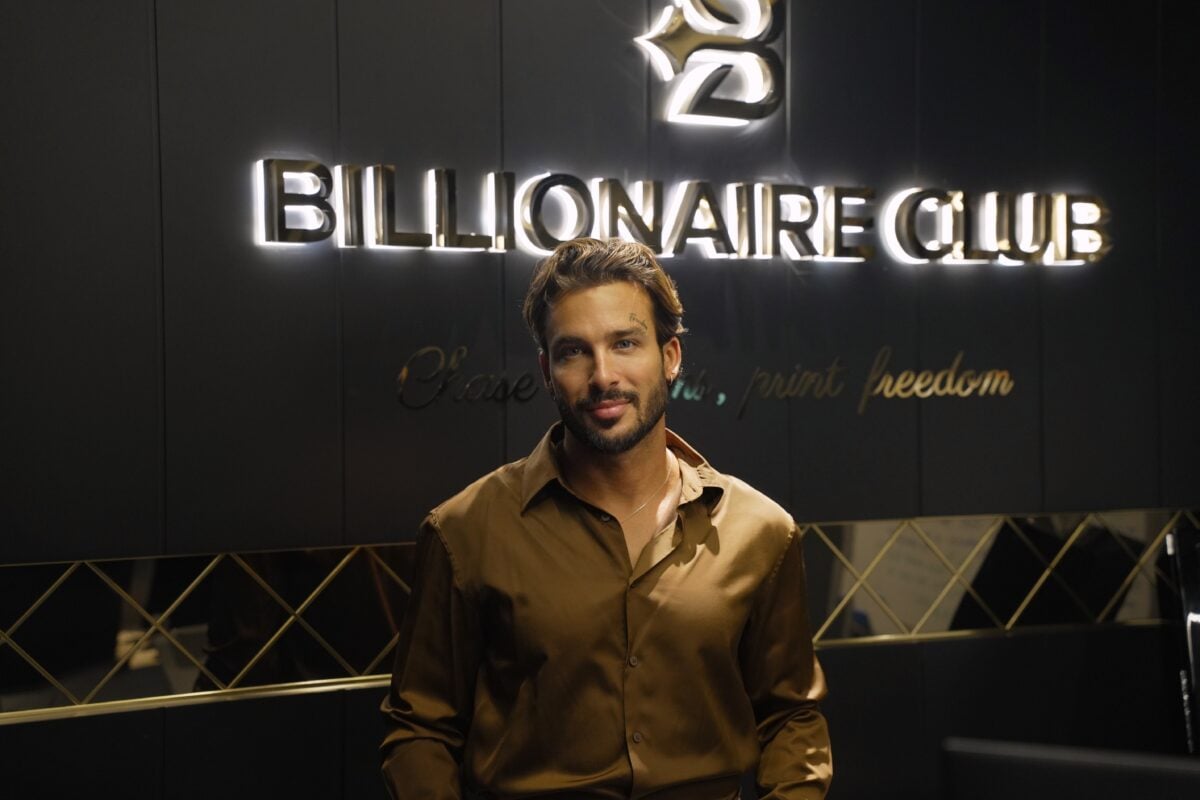


Public attention can build a career quickly, but it can also trap someone inside the image that first made them visible. Laurent Correia has spent years in businesses where recognition mattered, from television and social media to trading and digital ventures. That visibility gave him reach, but it also meant that the public could easily associate his name with the most visible parts of his life. His more recent emphasis on property and long-term ownership suggests a different strategy, one based less on being seen and more on building something that remains.
The shift matters because public perception rarely changes through explanation alone. A person can say they have evolved, but audiences usually respond more strongly to what they can observe over time. In Correia’s case, the move from attention-driven businesses toward tangible assets provides a different way to read his career. The story becomes less about visibility itself and more about what he has been able to convert that visibility into.
When Attention Becomes a Starting Point
An audience can be one of the strongest advantages in modern business. Correia’s various ventures benefited from the fact that people were already paying attention, whether he was moving through clothing, e-commerce, digital projects or trading. That kind of recognition can reduce the distance between a new idea and the people willing to hear about it. It can also make it easier to move between industries without starting from zero every time.
The weakness is that attention is difficult to control. Followers can lose interest, platforms can change, and public perception can shift far faster than a property portfolio or other long-term asset. For an entrepreneur whose name has become part of the business model, that creates an obvious question: how much value should remain dependent on continued visibility? Correia’s later decisions suggest that the answer has increasingly been less.
That does not mean the audience stopped mattering. His trading community, which has grown to more than 150,000 people, remains an important part of his public identity and business story. The change is that attention appears to have become a means rather than the final objective. The more important question is what can be built from it and what remains after the attention moves elsewhere.
Turning Visibility Into Something More Durable
Correia has repeatedly drawn a distinction between making money and keeping it. That idea sits at the centre of his shift toward property, particularly in Dubai, where real estate became a substantial part of his broader financial activity. The lesson is simple but important: generating income is only one stage of building wealth. The next stage is deciding how much of that income can be converted into assets that are less dependent on constant business activity.
That difference also changes what a public name can represent. Someone known primarily through television, lifestyle and online visibility may eventually become associated with ownership, investment and longer-term financial decisions if those activities become substantial enough. The earlier image does not have to disappear for the newer one to matter. It simply stops being the only available way to understand the person.

This is where Correia’s shift becomes relevant to reputation rebuilding without becoming another article about public criticism or personal reinvention. Property gives his story a different kind of evidence. It is quieter than television and less immediate than a social-media audience, but it suggests patience, preservation and a longer time horizon. Those qualities can gradually change what people associate with his name without requiring a dramatic public reset.
A Reputation Can Change Through What Remains
The strongest form of reputation rebuilding is often indirect. It happens when new behaviour becomes consistent enough that the old description no longer feels complete. Correia does not need to replace his earlier public identity with a carefully manufactured new one. He needs newer parts of his record to become large enough that they stand on their own.
That is why the move from audience to assets is more than a financial story. It shows a shift from relying heavily on public attention toward building value that can exist beyond it. Trading, television and social media may still be part of how people recognise him, but property and ownership provide another reference point. Over time, that additional evidence can change the balance of the story.
There is also something more credible about a reputation that changes through accumulation rather than announcement. Public figures often try to persuade audiences that they have evolved, but repeated explanations can make the process feel managed. Tangible decisions are harder to dismiss because they exist outside the language used to describe them. In Correia’s case, the gradual move toward assets does more reputational work than another statement about who he wants to become.
The earlier stage of his career was built around attracting and holding attention. The quieter stage is about deciding what that attention can leave behind. That is a meaningful difference, both financially and publicly. Correia’s reputation may still carry the imprint of the years that made him widely known, but his growing focus on ownership gives the name something more durable to rest on.


