





TLDR
- A new report names Ethereum, Solana, Chainlink, Aave and Hyperliquid as top altcoins for long-term investors through 2030.
- Ethereum is picked as the best overall, with a base-case 2030 target of $4,500.
- Solana, Chainlink and Aave have base-case targets of $220, $30 and $300.
- Hyperliquid is labeled the highest-risk pick because of large upcoming token releases.
- The report says the targets are illustrative scenarios, and all five coins remain volatile.
A new report picks five altcoins for long-term investors looking ahead to 2030. The list includes Ethereum, Solana, Chainlink, Aave and Hyperliquid.
The report says investors are looking beyond Bitcoin as institutions adopt crypto and more financial assets move onto blockchains. It says projects with real revenue and established ecosystems may do better than speculative ones.
Each coin comes with a base-case and a bullish price target for 2030. The report calls these illustrative scenarios, not guaranteed outcomes.
Ethereum: Best Overall Long-Term Pick
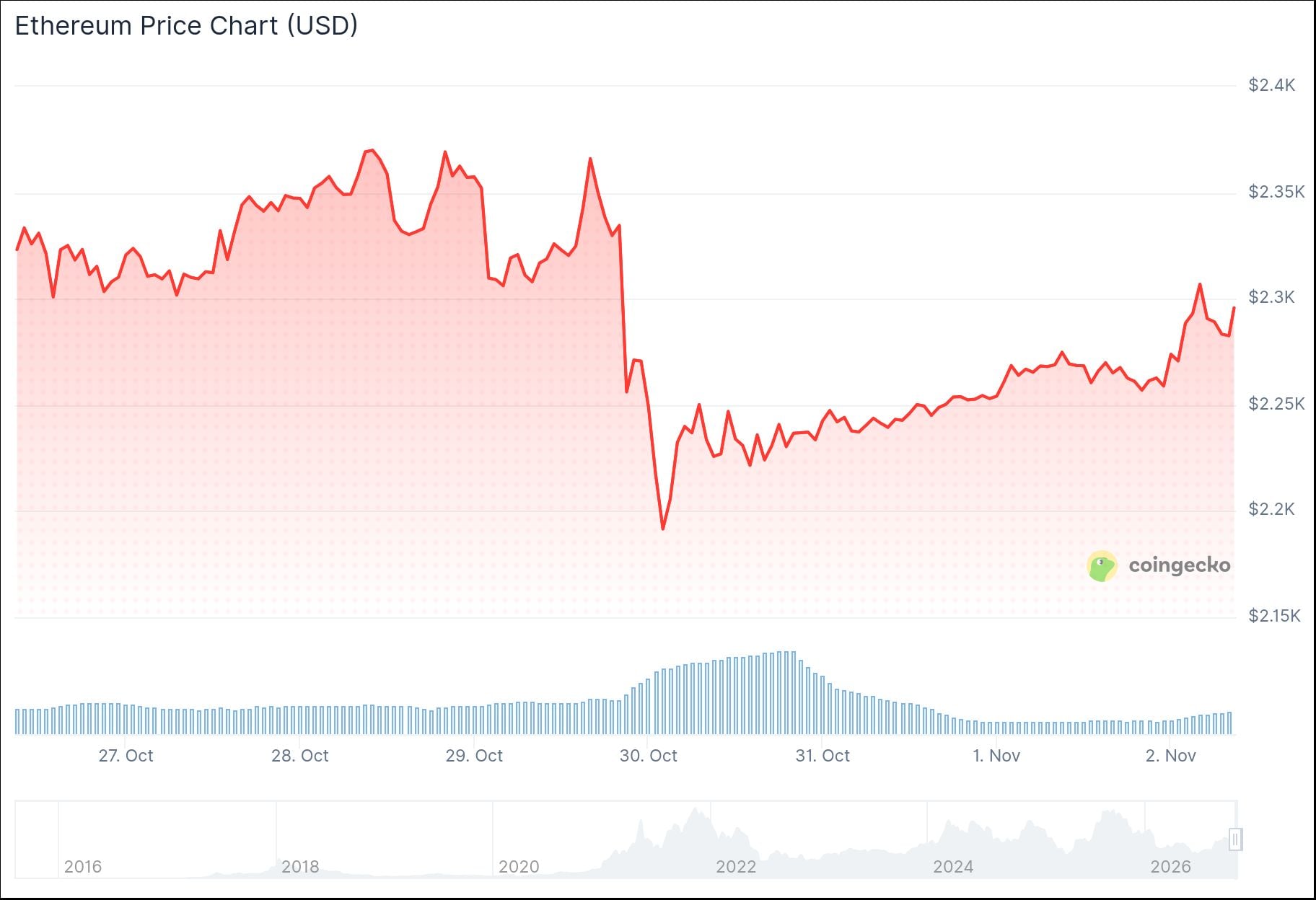
Ethereum trades near $2,290 and has a market value of about $280 billion. That makes it the second-largest cryptocurrency behind Bitcoin.
DefiLlama data shows the network holds about $44 billion in decentralized finance total value locked. It also holds more than $140 billion in stablecoins.
The report lists staking, a large developer community and strong infrastructure as strengths. It warns of competition from Solana and says activity on layer-2 networks must bring value to ether holders.
The base-case 2030 target is $4,500, about 97% above current levels. The bullish case is $8,000.

Solana: Best Large-Cap Pick for Growth
Solana trades near $95 and has a market value of about $56 billion. It is known for fast, low-cost transactions.
DefiLlama puts its decentralized finance value locked at about $5.5 billion. The report says Solana could gain from demand for decentralized exchanges, stablecoin payments and tokenized financial products.
Risks include competition from Ethereum’s scaling networks and ongoing token inflation. The report says investors should weigh supply growth when judging future returns.
The base-case target is $220, about 132% upside. The bullish case is $450.
Chainlink: Best Pick for Institutional Adoption
Chainlink trades near $11.40 and has a market value of about $8.7 billion. It provides oracle services that let blockchain apps use outside data, such as asset prices.
Its Cross-Chain Interoperability Protocol lets different blockchains communicate. The Chainlink Reserve also uses revenue from services to acquire the token.
The report cautions that institutional interest does not guarantee token holders will benefit equally. Token supply growth is another factor to watch.
The base-case target is $30, about 163% upside. The bullish case is $65.
Aave: Best Decentralized Finance Pick
Aave trades near $134 and has a market value of about $2.1 billion. The protocol lets users lend and borrow digital assets without traditional intermediaries.
It earns fees from lending across several blockchain networks. Its maximum supply is 16 million tokens, which limits future dilution, and it runs a token buyback program.
Risks include smart-contract flaws, liquidations and shifting borrowing demand. The base-case target is $300, about 124% upside, and the bullish case is $650.
Hyperliquid: Best High-Risk, High-Growth Pick
Hyperliquid trades near $88 and has a market value above $20 billion. It runs a decentralized platform for perpetual futures, which lets traders take leveraged positions.
Eligible trading fees go toward token purchases through its Assistance Fund. Its fully diluted valuation is much higher than its circulating market value.
Upcoming token releases could create selling pressure, according to the report. It also lists regulatory uncertainty and competition from established exchanges as concerns.
The base-case target is $140, about 59% upside. The bullish case is $300.
The report suggests spreading money across several projects rather than relying on one coin. It adds that all five cryptocurrencies remain volatile and could suffer large losses.


