





TLDR
- World Liberty sold about $20 million in ether at an estimated $19.3 million loss to defend a loan backed by its WLFI token.
- The lender is Dolomite, a protocol co-founded by World Liberty CTO Corey Caplan.
- About 4.99 billion pledged WLFI now backs $21.5 million in debt, roughly 16% of circulating supply by our estimate.
- WLFI fell to a record $0.0158 after heavy Binance selling, and the USD1 stablecoin briefly slipped to $0.94.
- Justin Sun called for delisting and alleged “insider circular lending” without providing evidence. World Liberty denies selling any WLFI.
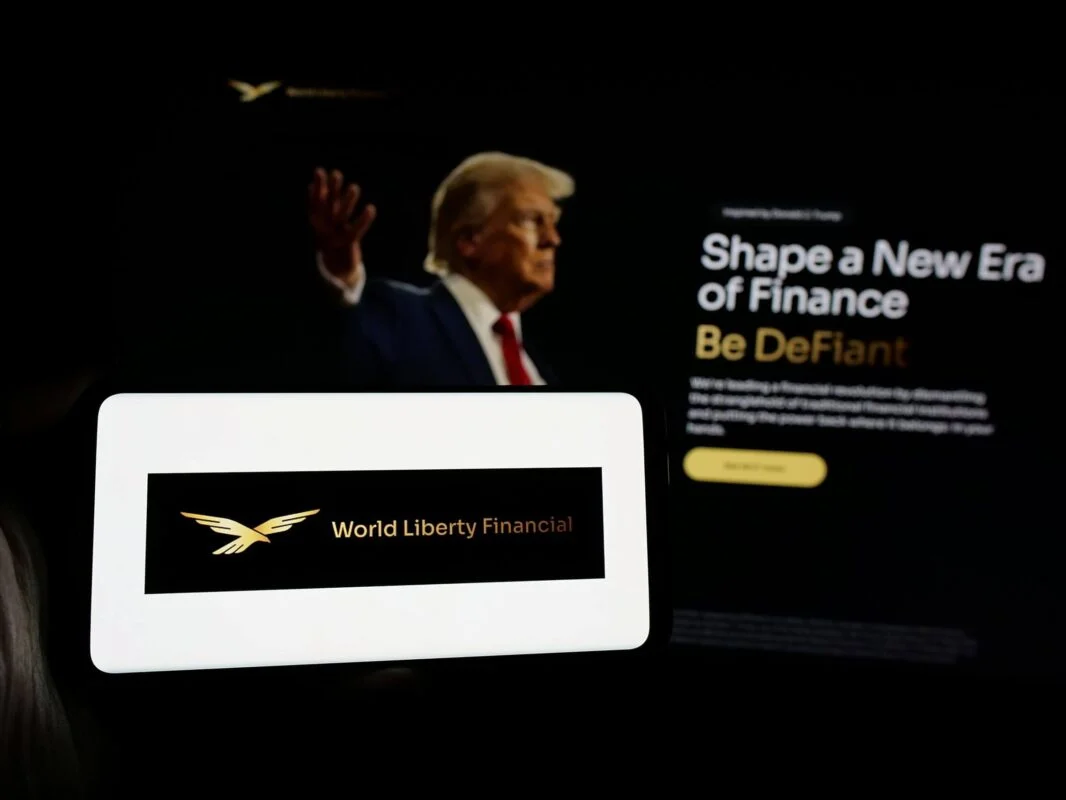
World Liberty Financial, the crypto venture tied to President Donald Trump’s family, sold about $20 million in ether at a heavy loss on Friday to protect a loan backed by its own WLFI token. The lender wasn’t an outside bank or fund. It was Dolomite, a lending protocol co-founded by Corey Caplan, whom World Liberty’s own documents list as chief technology officer.
Today's WLFI episode is just another rerun of insider circular lending to cash out, unauthorized insider selling, the illegal freezing of investor assets, and investor fraud. I call on major exchanges, regulators, judicial authorities, and the courts to take prompt action against…
— H.E. Justin Sun 👨🚀 🌞 (@justinsuntron) November 28, 2026
That connection, reported by The Block, explains more than the weekend’s price chart does. The project’s biggest known debt sits on a platform built by one of its own leaders, and the collateral is a token the project issues itself.
A Loan That Stays in the Family
In April, World Liberty pledged about 5 billion WLFI to borrow $75 million in USD1 and USDC stablecoins from Dolomite. The arrangement let the project raise cash without selling WLFI on the open market.
Dolomite also powers World Liberty Markets, the project’s own lending app. In August, the Office of the Comptroller of the Currency named Caplan CTO of World Liberty Trust Company when it conditionally approved the project’s bid for a national trust bank.
When critics questioned the loan, World Liberty dismissed the concern as “FUD” and said:
“even if markets moved dramatically against us, we’d simply supply more collateral.”
That is largely what happened, though it also required a costly ether sale.

The Rescue, by the Numbers
By Friday afternoon, 3 billion WLFI secured about $42.2 million of debt. Dolomite requires collateral worth roughly 1.5 times the loan, so by The Block’s math, a WLFI price below about $0.021 would have triggered liquidation.
The reserve wallet then sold ether for about $20 million. Onchain analyst EmberCN estimated the loss at $19.3 million, which suggests the ether cost roughly twice what it sold for. The wallet paid down debt and added 990 million WLFI, then another 1 billion early Saturday.
World Liberty says its liquidation price is now about $0.00631, down from above $0.02.
“not a single WLFI token was sold as part of this process”
The project also said the positions “do not put USD1’s reserves at risk.”
Why the Pledged Pile Matters
About 4.99 billion WLFI now backs $21.5 million of debt. Using The Block’s Saturday figures (a $0.0171 price and a $543 million market cap), we estimate that pledged stack equals roughly 16% of circulating tokens. Prices are moving quickly. Cointelegraph, citing CoinGecko, put WLFI at $0.01923 at a different point in the day.
The cushion is real: WLFI would need to fall about 63% further before liquidation. But if that line were crossed, a block of tokens this large would hit a market that just showed how thin it can be.
The Crash Came Hours Later
Just after 11:30 p.m. ET on Friday, heavy selling on Binance cut WLFI nearly 40% in 15 minutes. The token kept falling to a record low of $0.0158. The cause is unclear, and Binance says it is reviewing the trading data. World Liberty said it had no role in Binance’s auto-deleveraging of positions.
USD1 briefly fell to $0.94 against Tether on Binance before recovering. Lookonchain reported that Jump Crypto withdrew 43.26 million USD1 and redeemed it at $1 through issuer BitGo.
Justin Sun, a former backer who is now suing the project, called the episode “insider circular lending to cash out.” Cointelegraph reported he urged delisting WLFI, while The Block said his call covered USD1 too. He offered no evidence. World Liberty has countersued Sun for defamation.
What to Watch
The first open question is what Binance’s review finds. The second is whether World Liberty explains how it manages loans on a protocol tied to its own CTO. That question may also interest the OCC as it weighs the trust bank charter.


